Travel guide
Lomé
Lomé is the coastal capital and largest city of Togo, located on the Gulf of Guinea. With around 1.5 million residents in the city and over 2 million in its metro area (2022 census), Lomé is a vibrant port city known for its lively markets, colonial architecture, and cultural hubs. It serves as the export center for coffee, cocoa, copra, and palm products.Wikipedia+13Wikipedia+13Encyclopedia Britannica+13
🌟 Top Things to Do
-
Grand Market (Marché de Lomé)
A bustling traditional market near Sacred Heart Cathedral with spices, textiles, art, and Ewe crafts. Most vendors are women and children.Wikipedia+2Wikipedia+2Wikipedia+2 -
Sacred Heart Cathedral
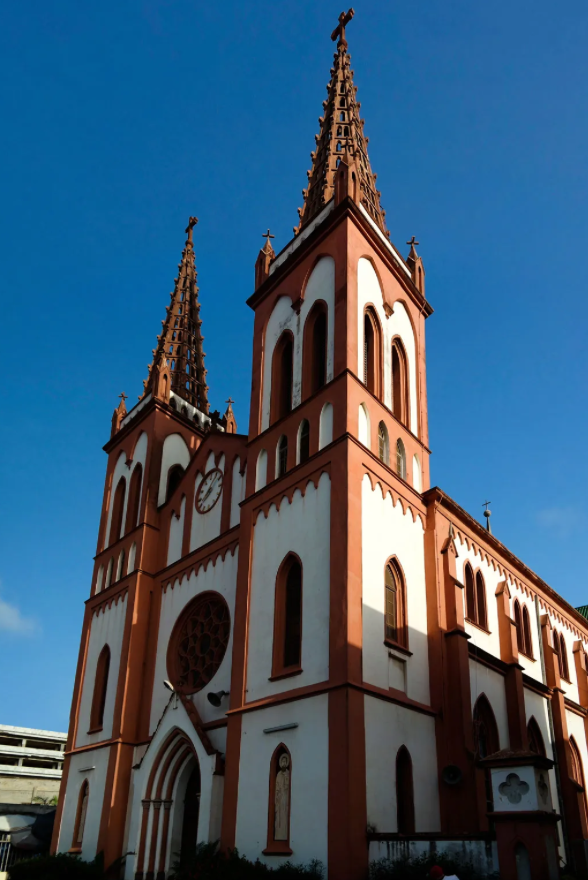
A German-built neo-Gothic cathedral from 1902 overlooking the market—a city landmark.WikipediaWikipedia -
Beach Walks & Coco Beach
Stroll along the Atlantic coast for sunset views and seafood stalls. A lively local beach spot—relax or try local coconut-based juices.KAYAK+1Booking.com+1 -
Togo National Museum
Located in the Palais de Congrès, it showcases cultural artifacts, instruments, pottery, and historic textiles.Wikivoyage+13Wikipedia+13Wikipedia+13Wikipedia -
Palace of the Governors & Colonial Architecture
Discover impressive German-French colonial-era buildings like the former palace, plus West African Development Bank offices and art installations.Wikipedia+1Wikipedia+1 -
Nightlife & Bars
Popular venues like Privilege and 7Clash cater to western-style nightlife. Locals enjoy tchouk (millet beer), Deha (palm wine), and strong sorghum liquor.Wikivoyage -
Day Trip to Notsé and the Notsé Walls
About a couple hours inland from Lomé, the ancient Ewe settlement with sacred walls offers cultural insight and scenic surroundings.Wikipedia+15Wikipedia+15Medium+15
🍽️ Eat & Drink
-
Local Cuisine: Try adémè, fufu, grilled fish, and street snacks near markets.
-
Beverages: Local drinks include tchouk (millet beer), Deha palm wine, and sodabe grain liquor. Just sip slowly, locals do.Reddit+1Reddit+1Wikivoyage
-
Street Food Notes: Some travelers advise caution when eating street food due to sanitation concerns—stick to busier, clean stalls or eat in respected local restaurants.Reddit
✈️ Travel Tips
-
Getting There: Lomé–Tokoin International Airport (Gnassingbé Eyadéma Airport) is 3 miles northeast of downtown, well-served by ASKY and Ethiopian Airlines.Booking.com+2Wikipedia+2Tripmasters+2
-
Transport: Use yellow-top taxis (negotiate fares), public Sotral buses (~300 CFA), or motos for short trips. Car rentals are available but roads can be challenging.Tripmasters
-
Language: French is widely spoken; some locals speak Ewe. English is limited—having a French-speaking guide helps.Medium+15Reddit+15Booking.com+15
-
Safety: Lomé is fairly safe during the day—beware pickpockets in busy markets and avoid lonely areas at night. Don’t photograph police or government buildings.Reddit+5Reddit+5Wikivoyage+5
-
Health: Avoid tap water; carry bottled water. Use insect repellent—malaria is present. Carry small cash (CFA franc), credit cards are rarely accepted.Reddit
🏨 Where to Stay
🗺️ Best Areas
-
Beach Road (Kodjoviakope / Grand Marché area) — convenient for markets and coastal strolls.
-
City Center/North Lomé — food stalls, transport, and local life.
🏩 Accommodation Suggestions
-
Hotel Aurore / Restaurant / Bar: Basic but inexpensive (~CFA 18,000/night), garden setting near the beach.Wikivoyage+1KAYAK+1
-
ONOMO Hotel Lomé: Reliable mid-range chain with beach access, breakfast, and pool.Wikivoyage+1tripadvisor.co.za+1
-
Hotel 2 Février: The city’s top luxury option and tallest building in Togo, located at Independence Square.Wikipedia+10Wikivoyage+10Wikipedia+10
⭐ Recommended Stay: ONOMO Hotel Lomé
-
Modern amenities, beachfront location, buffet breakfast, decent Wi‑Fi, and strong value. Positioned for easy access to markets, nightlife, and transport.