Travel guide
Harare, Zimbabwe
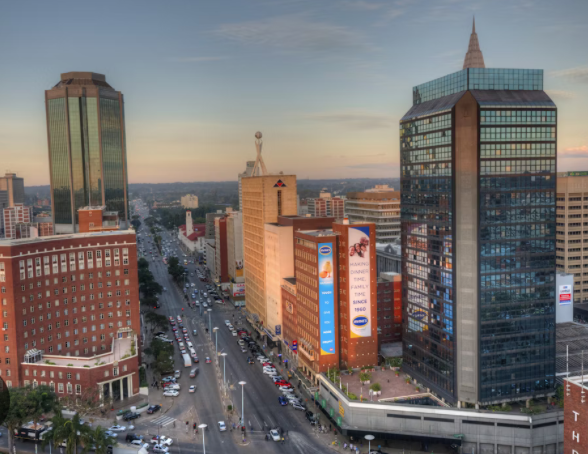
Harare, the capital and largest city of Zimbabwe, was founded in 1890 as Fort Salisbury and renamed Harare in 1982. It's a leafy, laid-back city known for jacaranda-lined avenues, garden suburbs, a growing arts culture, and proximity to urban nature reserves and wildlife parks.
Top Things to Do
1. Mukuvisi Woodlands
A 263-hectare nature reserve within the city that offers guided wildlife experiences, horse safaris, and birdwatching. Spot giraffes, zebras, impalas, and more among 300+ bird species
2. National Botanic Gardens
Spread over nearly 7 km² (58 hectares), these gardens feature indigenous and exotic flora, themed sections, and peaceful picnic spots just 4 km north of the city centre
3. National Heroes Acre
A monumental memorial overlooking Harare, marking Zimbabwe’s liberation heroes. Visit the eternal flame and museum for insight into national history
4. Chapungu Sculpture Park
An open-air gallery celebrating Zimbabwean stone sculpture. Stroll among impressive artworks set in a serene garden environment just outside the city .
5. Balancing Rocks (Epworth / Chiremba)
Iconic geological formations symbolizing Zimbabwe's currency; ideal for photos and moderate hikes near the city
6. Lake Chivero & Kuimba Shiri Bird Park
Great for nature and wildlife lovers. Enjoy boat rides, bird watching, and safari-like experiences not far from Harare’s city limits
7. Zimbabwe Museum of Human Sciences
Home to the Ngoma Lungundu relic—believed by some to be tied to the Ark of the Covenant—and archaeological exhibits indoors and a Shona model village
8. The National Gallery of Zimbabwe
Art lovers can explore exhibitions of contemporary African and local Zimbabwean art in this cultural hub south of Harare Gardens
9. Avondale Flea Market & Sam Levy’s Village
Shop for crafts, fashion, local food, and enjoy relaxed retail vibes: Avondale for informal stalls, Sam Levy’s for upscale dining and shopping
10. The Book Café
Cultural hotspot offering music shows, open mic nights, spoken word events, and more nearly every evening—perfect for experiencing Harare’s creative scene
11. Harare International Festival of the Arts (HIFA)
A major annual event in April/May featuring theatre, visual arts, dance, music, and poetry from across Africa and beyond
Eat & Drink
-
Local Cuisine: Try flavorful dishes like sadza (maize porridge), hearty stews with beef or chicken, and street snacks like vetkoek and grilled meats.
-
Recommended Dining: Amanzi Restaurant (garden dining with local & international fusion), and cafés around Sam Levy’s Village and Avondale.
-
Nightlife & Drinks: Visit The Book Café for cocktails and culture; small bars and rooftop terraces offer casual evenings.
Travel Tips & Practical Info
-
Best Time to Visit: Spring (Sept–Nov) or autumn (Mar–May) when jacarandas bloom and temperatures are milder. Zimbabwe’s rainy season (Nov–Mar) brings humidity and occasional storms.
-
Transport: Use prepaid taxis, ride-share apps where available, or hire a private driver. Guides are helpful for day trips to Epworth or Domboshava.
-
Safety: Harare is generally safe in busy areas—take guard near markets, avoid walking alone at night downtown, and secure belongings.
-
Money & Connectivity: Zimbabwean dollar and US dollar circulate widely. ATMs available in main shopping areas; credit cards accepted in mid-to-upscale venues. Mobile networks are reliable and affordable.
-
Stay Healthy: Use bottled water, sunscreen, and insect repellent. Local fitness groups like Commando Fitness in Harare promote community health through unique setups like workouts in cemeteries
Where to Stay
Best Areas to Book
-
City Centre / First Street – close to Harare Gardens, shops, cafés, and museums.
-
Borrowdale / Avondale – leafy suburbs with quieter accommodation, restaurants, and retail.
Recommended Stay: Amanzi Lodge or Midtown Hotel
-
Comfortable mid-range to upscale options near green spaces and cultural venues. Excellent choices for safety, amenities, and proximity to attractions.