Travel guide
Castries
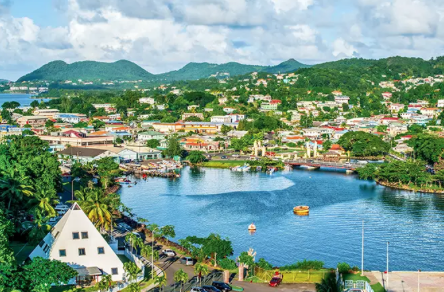
Castries is the capital and largest city of Saint Lucia, founded as "Carenage" by the French in 1650 and renamed in 1756 after the Marquis de Castries Located on a peninsula at the entrance of Castries Harbour, it serves as the economic, political, and cultural center of the island, with around 20,000 residents in the city and nearly 70,000 in the district
Top Things to Do in Castries
-
Castries Market & Vendor’s Arcade: This lively open-air market is Saint Lucia’s largest, featuring over 300 vendors offering fresh fruit, spices, crafts, and street-food—a must‑visit for colors and flavor
-
Cathedral Basilica of the Immaculate Conception: The largest church in the Caribbean, built in the late 19th century, with interiors painted by local artist Dunstan St. Omer
-
Fort Charlotte on Morne Fortune: Historic hilltop fortress offering panoramic views over Castries and the harbour, built in the 18th/19th centuries
-
Derek Walcott Square: Central public square named after Saint Lucia’s Nobel laureate poet, formerly Columbus Square. A sociable spot for locals and visitors alike
-
Vigie Beach & Vigie Lighthouse: A charming white‑sand beach just 2 km north of downtown, located near a historic lighthouse and airport—perfect for a relaxed stroll
-
Nature trails & Forest Reserves: Close to Castries you’ll find scenic hikes through rainforest reserves and bird‑watching opportunities—particularly for the endemic St. Lucian parrot
-
Cruise & Day Tours: Local “land and sea” tours often combine mud baths, Sulphur springs, snorkeling with Piton views, and beach stops from the Castries port
Eat & Drink
-
Castries Market food stalls: Sample local treats like accra (saltfish fritters), Creole breads, fresh tropical fruits, and cocoa tea
-
Chef Nina Compton tours & Martha’s Tables: Culinary experiences led by top local chefs showcase authentic St. Lucian favorites like curry chicken, fresh seafood, and farm-to-table meals
-
Indian-influenced dishes: Thanks to historical diasporas, restaurants such as Masala at Embers serve prawn tilwala, biryani, and tandoori creations with a local twist
Travel Tips
-
Stay safe: Many travelers report on reddit that downtown Castries may feel less secure—harassment or petty crime can occur, especially near markets It’s recommended to stick to cruise ship areas or travel north to more tourist-friendly Rodney Bay or Soufrière.
-
Transport: George F. L. Charles Airport is in Castries (Vigie district); larger international flights land at Hewanorra, 1.5 hours away Public minibuses and taxis operate across Saint Lucia.
-
Best times to visit: December–April are drier and sunnier; the hurricane season from June–November can bring storms and heavier rainfall .
-
Money & shopping: Cash is widely used; ATM reliability can vary, and visitors often report better safety using US or Eastern Caribbean Dollars. For fresh produce, visit the Castries Market early—imported goods are pricier and locals caution about overpaying
Where to Stay & Recommendations
Recommended Areas:
-
Downtown Castries / Vigie District: Convenient for markets, the port, and local beaches—but consider safety and nighttime travel.
-
Rodney Bay / Gros Islet (north): More tourist-oriented, with beautiful beaches, nightlife, restaurants, and family-friendly resorts—accessible via bus or short taxi ride.
-
Soufrière (southwest): Ideal base for exploring the Pitons, waterfalls, mud baths, and nature hikes, offering a quieter retreat.
Recommended Stays:
-
Cloud 9 Hotel & Marina in Rodney Bay: Upscale waterfront resort with full amenities.
-
Bay Gardens Resorts (Rodney Bay): Mid-range family-friendly option with beach access.
-
Eco-lodges near Soufrière (e.g. Cosmos Eco Villa or Jade Mountain) for sustainable and luxurious stays focused on nature views and relaxation.