
Travel & Transportation
MTA Advances Station Accessibility Upgrades Across New York Transit System
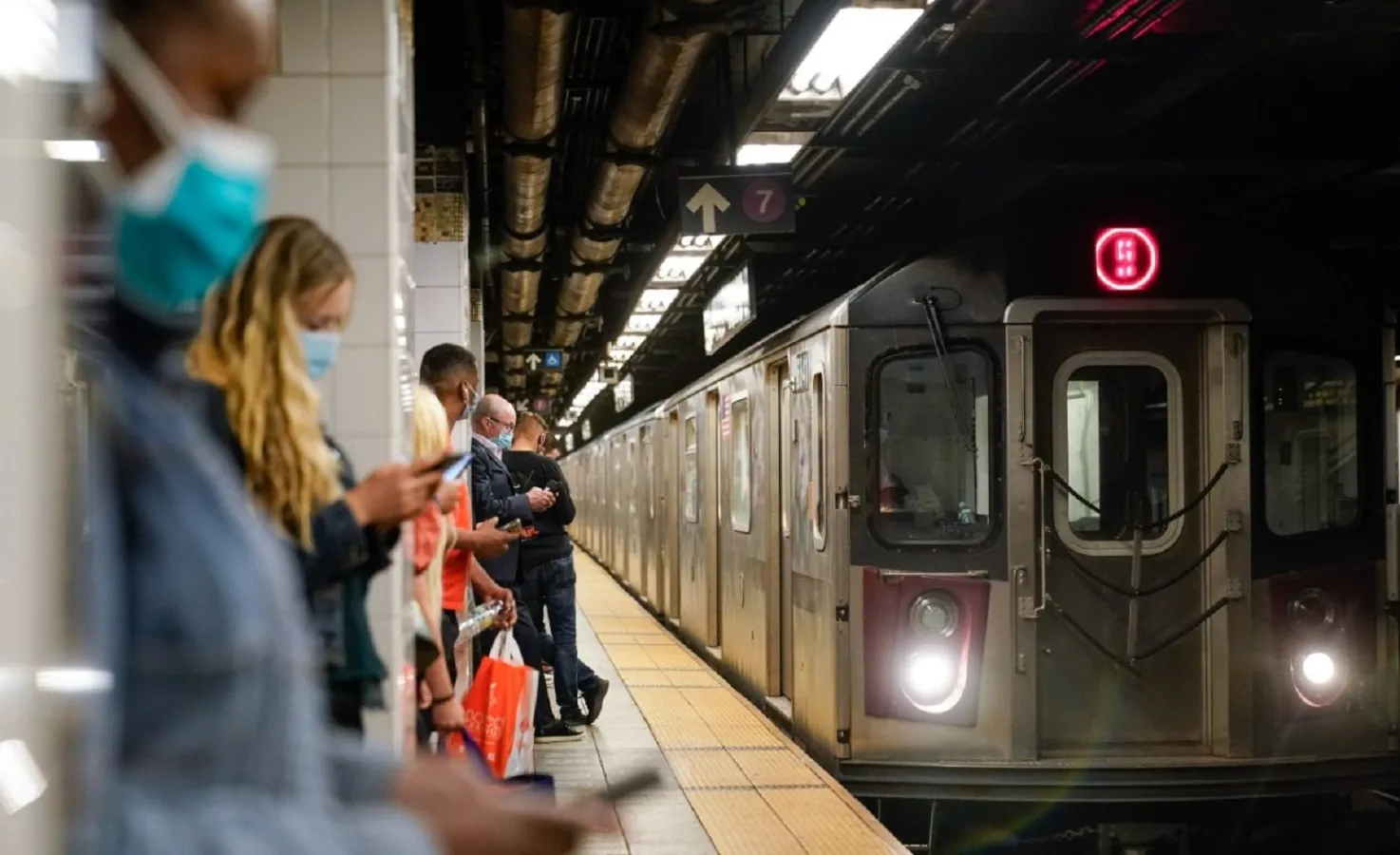
MTA Advances Station Accessibility Upgrades
The Metropolitan Transportation Authority (MTA) is continuing a major program to improve accessibility across its transit network, with projects focused on installing new elevators and ramps, replacing existing accessibility equipment and upgrading station infrastructure to provide easier access for customers with disabilities.
The MTA's 2025–2029 Capital Plan calls for making at least 60 additional subway stations accessible, bringing the subway system to more than 50 percent accessibility and providing accessible service to nearly 70 percent of riders.
Elevator and ADA Improvements
Accessibility projects include the installation of new elevators, ADA-compliant ramps, improved paths of travel and upgrades to station infrastructure.
One major project package is making 13 subway stations accessible, with eight stations receiving new elevators and five stations receiving replacements of existing elevators. The work also includes structural, electrical and communications improvements required to support the accessibility upgrades.
Another package covers 13 stations and includes new elevators or ADA-accessible ramps, structural improvements, electrical and communications upgrades, as well as improvements to adjacent streets and sidewalks.
Systemwide Accessibility Goal
The MTA is working toward making at least 95 percent of its subway stations accessible by 2055. The authority is also targeting accessibility at 95 percent of full-service commuter rail stations by 2045.
Accessibility improvements include more than step-free access to trains. The MTA is also upgrading tactile warning strips, improving platform levels, installing more accessible fare payment gates and enhancing wayfinding and accessible paths through stations.
Long Island Rail Road and Metro-North
The accessibility program also covers commuter rail stations operated by Long Island Rail Road and Metro-North Railroad.
The MTA reports that 84 percent of full-service LIRR and Metro-North stations are currently fully accessible, with improvements underway at 11 additional stations under the current capital program.
Prioritizing Stations for Accessibility
The MTA considers several factors when selecting stations for accessibility upgrades, including gaps between accessible stations, important community destinations, ridership levels and the demographic needs of surrounding communities.
The authority also considers the number of seniors and people with disabilities living near stations, along with socioeconomic factors, when determining where accessibility investments are most needed.
Journal
Latest news
View all
A Guide to the 9/11 Memorial & Museum
The 9/11 Memorial & Museum at the World Trade Center commemorates the victims of the September 11, 2001 attacks and the 1993 World Trade Center bombing, while preserving artifacts, personal stories and historical records for visitors.
Read More →
What Really Happens if You Don’t Switch Your Phone to “Airplane Mode” In-Flight
Air travelers in the U.S. are required to turn off cellular service during flights, while rules differ in other countries as airlines adopt newer connectivity technologies, including 5G and Starlink.
Read More →
ICYMI: It’s the End of an Era for an East Village Dumpling Shop
Mimi Cheng’s is closing its last New York City location in the East Village on September 11 after 12 years, as August brings a series of restaurant openings, closings, expansions, events, and other dining developments across New York City.
Read More →Related articles

Port Authority Marks Completion of New Corbin Street Ramp, Modernizing Critical Supply Chain Infrastructure at East Coast’s Busiest Seaport
The Port Authority of New York and New Jersey marked the completion of a new Corbin Street ramp at Port Newark, a major milestone in the $220 million Port Street Corridor Improvement Project expected to improve safety, traffic flow and freight movement while saving 700,000 hours of travel time and reducing crashes by more than 35 percent in its first year.
Read More →
Expedia Cuts Eight Senior Executives as It Reorganizes Around AI
Expedia Group has cut eight senior technology leaders and is reorganizing its roughly 8,000-person Product and Technology group around small, autonomous AI-focused squads. The company is redistributing responsibilities, centralizing AI and data platforms, and moving CRM and payments into Product & Technology.
Read More →
United Nations General Assembly 2026: New York Travel and Transportation Guide
New York City will welcome world leaders, diplomatic delegations, government officials, business executives, journalists, and international visitors for the 81st Session of the United Nations General Assembly, with increased airport activity, security operations, street closures, hotel demand, and traffic delays expected throughout Midtown Manhattan.
Read More →