
Automotive & Luxury Transportation
MIT Study Finds EVs Cut Lifecycle Emissions by 40–60 Percent in Most Locations

A new MIT-led study has challenged the argument that electric vehicles simply shift pollution from vehicle tailpipes to power plants. The research examined the lifecycle greenhouse-gas emissions of battery-electric vehicles and comparable gasoline-powered cars across the United States.
Published in Environmental Research Letters, the study found that electric vehicles reduce lifecycle emissions by 40 to 60 percent in most locations. The researchers accounted for vehicle and battery manufacturing, fuel and electricity production, regional electricity grids, local temperatures, vehicle types and real-world driving patterns.
EV Efficiency Maintains an Emissions Advantage
The study found that internal-combustion engines waste a significant amount of the fuel they consume as heat. Electric vehicles also experience energy losses during electricity generation and transmission, but their electric motors are substantially more efficient, allowing them to maintain an emissions advantage even when powered by relatively carbon-intensive grids.
According to the research, a dirtier electricity grid reduces the size of the advantage but does not eliminate it. Even in areas with the most carbon-intensive electricity mix in the United States, battery-electric vehicles were not found to produce higher lifecycle emissions than combustion vehicles.
Battery Production Included in Analysis
The study is a lifecycle greenhouse-gas analysis, meaning battery production is already included in the calculations. However, the researchers did not claim that electric vehicles have no environmental impact or that every environmental issue associated with EVs has been resolved.
Factors including mining, water use, local air pollution, labor practices, battery recycling and electricity-grid reliability remain separate issues. The size of an EV's emissions advantage can also vary depending on assumptions about battery life, manufacturing, charging behavior and future electricity-generation mixes.
Cleaner Electricity Could Further Reduce Emissions
The study also points to the continuing decarbonization of the U.S. electricity system as a factor that could further improve the emissions performance of electric vehicles.
The U.S. Energy Information Administration reported that wind and solar generated a record 19 percent of U.S. electricity in 2025. As the electricity grid becomes cleaner, the emissions associated with charging existing electric vehicles can decline further, while gasoline-powered vehicles continue to rely on combustion fuel.
Journal
Latest news
View all
A Guide to the 9/11 Memorial & Museum
The 9/11 Memorial & Museum at the World Trade Center commemorates the victims of the September 11, 2001 attacks and the 1993 World Trade Center bombing, while preserving artifacts, personal stories and historical records for visitors.
Read More →
What Really Happens if You Don’t Switch Your Phone to “Airplane Mode” In-Flight
Air travelers in the U.S. are required to turn off cellular service during flights, while rules differ in other countries as airlines adopt newer connectivity technologies, including 5G and Starlink.
Read More →
ICYMI: It’s the End of an Era for an East Village Dumpling Shop
Mimi Cheng’s is closing its last New York City location in the East Village on September 11 after 12 years, as August brings a series of restaurant openings, closings, expansions, events, and other dining developments across New York City.
Read More →Related articles

The Three Seconds That Win or Lose the Booking
Private transfer customers often decide within seconds whether to complete a booking, making speed, simplicity, mobile usability and fast response times critical factors in converting website visitors and inquiries into confirmed reservations.
Read More →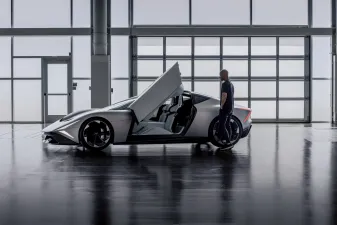
Acura Nexera Vision Concept Previews the Next-Generation RDX Hybrid
Acura has unveiled the Nexera Vision, a two-seat sports car concept at Monterey Car Week that introduces the brand’s new design language. Although it will not enter production, its styling and lighting elements will influence future Acura models, starting with the next-generation RDX Hybrid.
Read More →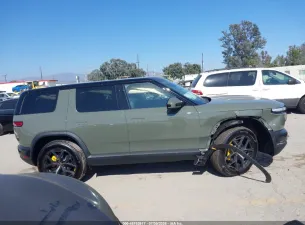
Someone Already Wrecked a 2027 Rivian R2 After Just 110 Miles
A 2027 Rivian R2 Performance Launch Package has reached a salvage auction after just 110 miles, with front-fender and suspension damage and multiple deployed airbags. The nearly new electric SUV could offer buyers a way around Rivian’s 2027 delivery backlog.
Read More →