Hotels & Restaurants
AI-Generated Restaurant Menus Are Undermining Diners’ Trust
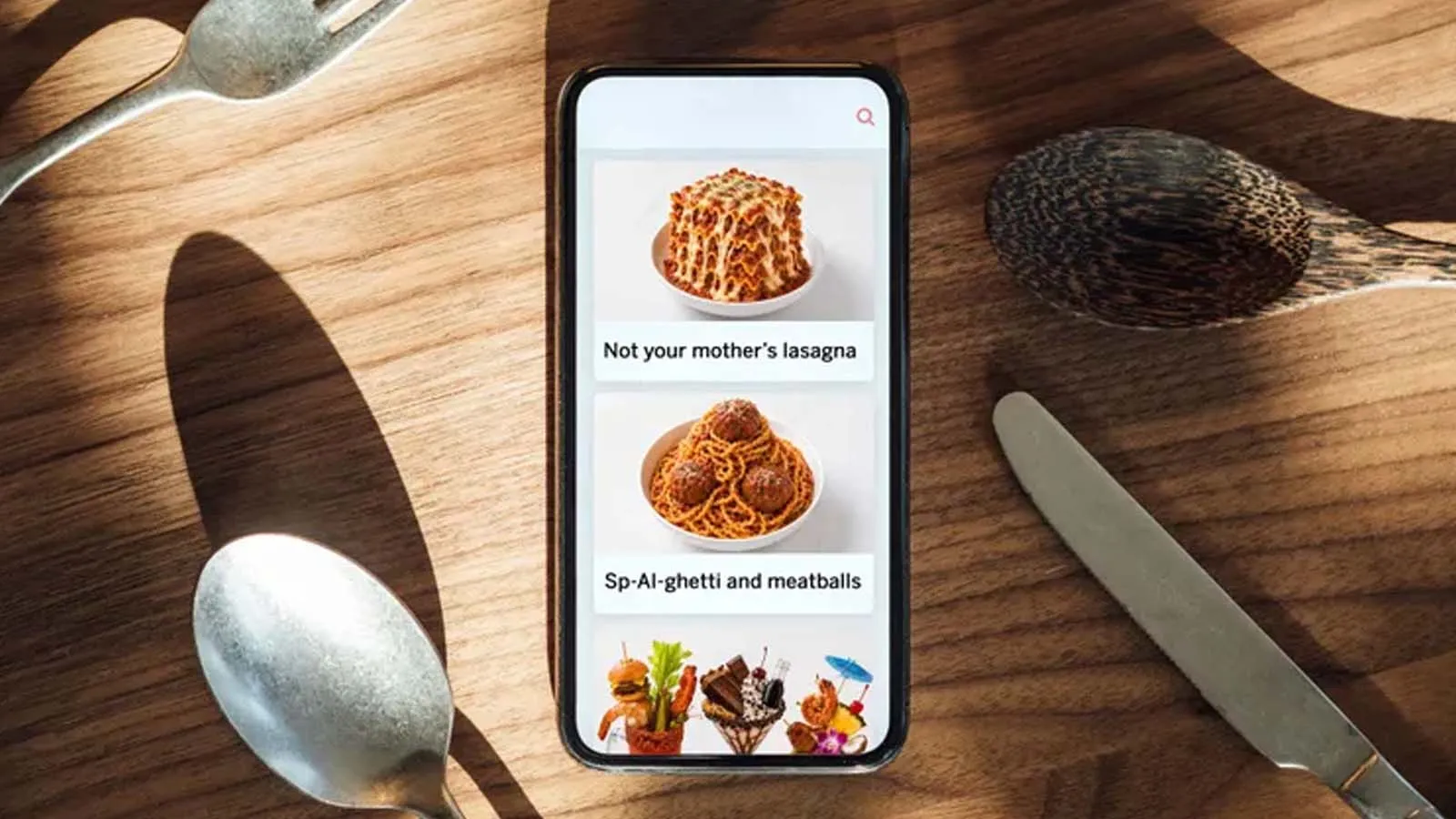
The growing use of artificial intelligence in restaurant marketing is raising concerns about how menus and food are presented to diners online, particularly when AI-generated images and descriptions fail to accurately represent real dishes.
A recent example involved a restaurant whose Instagram account featured menu descriptions containing unintelligible words and unusual characters, alongside highly polished food images that appeared artificial. The images showed dishes with unnaturally smooth textures, while some restaurant environments appeared inconsistent with photographs taken by customers.
The restaurant was described as being led by a chef with a long career in traditional Northern Italian cooking and a loyal following built over decades. His cooking combined classic Northern Italian techniques with local Lowcountry ingredients.
The restaurant's online presence also included unedited videos of the chef working in the kitchen and teaching younger staff, including several of his sons, how to prepare dishes such as chicken Palermo, giardiniera, stuffed peppers, and lasagna. Those videos appeared significantly different from the highly polished content presented on the restaurant's social media account.
A comparison of restaurant photographs with customer images shared on Yelp and Facebook, as well as Google Street View imagery, showed significant differences between some AI-generated promotional images and the actual dining environment.
The article also points to the availability of low-cost digital restaurant design services that promote AI-generated menu imagery. One such service advertises menu design resources for $19 per month, or $49 for its pro level, including coaching on prompts used to generate AI images of dishes.
Restaurants face significant financial pressure, and professional food photography can be difficult for small businesses to afford. However, the use of artificial images and descriptions can create a gap between what customers expect and what they encounter in person.
Artificial intelligence can also provide practical benefits to restaurants. During an AI seminar for hospitality professionals at the Amex Resy Trade Program at the Food & Wine Classic in Aspen, industry participants discussed applications involving reservation databases, ordering systems, ordering trends, and weather data.
The focus of those applications was on analysis and automation that could give restaurant employees more time for human interaction with customers, rather than altering the appearance or presentation of food.
The growing availability of AI-generated online content has made it easier for restaurants with limited time and financial resources to turn to automated solutions for marketing materials. However, the article notes that restaurants need to recognize the potential impact on diners’ trust when AI-generated content is presented as an accurate representation of the food or environment.
The article ultimately emphasizes the value of authentic, human-made content. Imperfect photographs, handwritten specials, and unedited kitchen footage can communicate a sense of human involvement that highly polished artificial imagery may fail to provide.
Journal
Latest news
View all
A Guide to the 9/11 Memorial & Museum
The 9/11 Memorial & Museum at the World Trade Center commemorates the victims of the September 11, 2001 attacks and the 1993 World Trade Center bombing, while preserving artifacts, personal stories and historical records for visitors.
Read More →
What Really Happens if You Don’t Switch Your Phone to “Airplane Mode” In-Flight
Air travelers in the U.S. are required to turn off cellular service during flights, while rules differ in other countries as airlines adopt newer connectivity technologies, including 5G and Starlink.
Read More →
ICYMI: It’s the End of an Era for an East Village Dumpling Shop
Mimi Cheng’s is closing its last New York City location in the East Village on September 11 after 12 years, as August brings a series of restaurant openings, closings, expansions, events, and other dining developments across New York City.
Read More →Related articles
ICYMI: It’s the End of an Era for an East Village Dumpling Shop
Mimi Cheng’s is closing its last New York City location in the East Village on September 11 after 12 years, as August brings a series of restaurant openings, closings, expansions, events, and other dining developments across New York City.
Read More →
Robert De Niro’s Nobu Expands in Egypt With New Luxury Hospitality Projects
Robert De Niro and Nobu Hospitality are expanding their presence in Egypt with new hotel, restaurant and residential projects, including developments in Cairo and on the North Coast.
Read More →
Majestic Resorts Offers Early Booking Savings on 2027 All-Inclusive Vacations
Majestic Resorts is offering early booking savings on 2027 all-inclusive vacations for new reservations made through October 31, 2026, with travel dates from December 24, 2026, through December 23, 2027. The promotion applies to five resorts in Punta Cana and Costa Mujeres, subject to availability and other conditions.
Read More →