
Travel guide
Terni
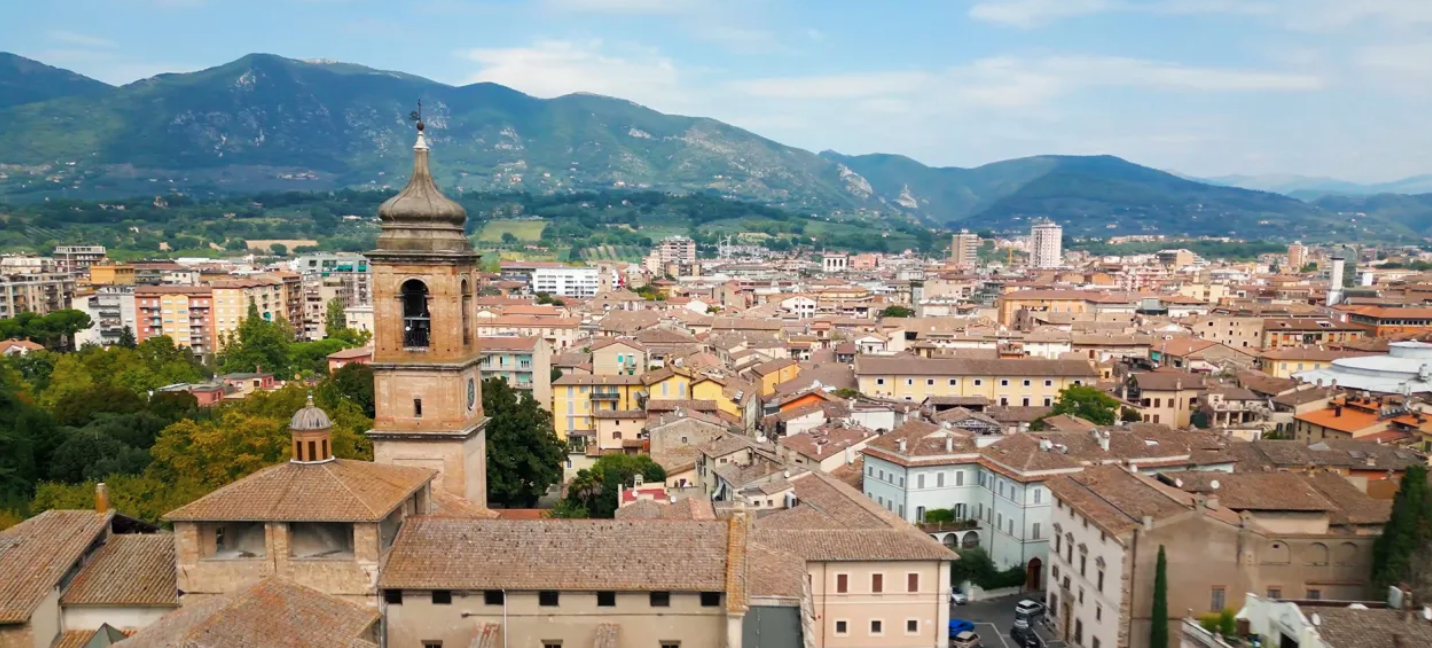
Terni, known as both the “City of Steel” and the birthplace of Saint Valentine, blends an industrial heritage with lush natural beauty. Historically a Roman municipium called Interamna (“between two rivers”), it thrived thanks to the confluence of the Nera and Serra rivers. Modern Terni flourished in the late 19th century as an industrial leader powered by the nearby Marmore Falls
Top Things to Do
-
Roman Amphitheatre (“Anfiteatro Fausto”) – One of Terni’s finest Roman relics, located near the Duomo. Substantial remains still stand.
-
Cattedrale di Santa Maria Assunta (Terni Cathedral) – Built over a pagan temple, this cathedral features Baroque elements, frescoes, and relics, with a crypt revealing its ancient foundations. Designed partly by Marcello Piacentini, the crypt retains early medieval apses.
-
Church of San Salvatore & San Francesco Church – San Salvatore is one of Terni’s oldest churches with Romanesque structure and frescoed interiors. The Gothic San Francesco (1265) features ribbed vaults and peaceful cloisters.
-
Palazzo Spada (Town Hall) – Renaissance-era palace designed by Antonio da Sangallo the Younger, famous for its frescoed main hall and artwork illustrating classical myths.
-
Lancia di Luce (Lance of Light) – A striking modern sculpture by Arnaldo Pomodoro along Corso del Popolo, symbolizing the city’s industrial heritage.
-
Basilica of Saint Valentine – A 17th-century Baroque church about 2 km southwest of town where pilgrims honor the city’s patron saint.
Natural Attractions & Day Trips
-
Cascata delle Marmore (Marmore Falls) – At 165 m, this is the tallest man-made waterfall in the world, created by Roman engineering. Visitors can enjoy hiking, rafting, or canyoning in the adjacent Parco Fluviale del Nera.
-
Lake Piediluco – A tranquil alpine-style lake ~15 km away, popular for boating, kayaking, or strolling villages like medieval Cesi.
-
Carsulae Archaeological Park – Walk amid the impressive ruins of a Roman town dating back to the 3rd century BC, including amphitheater, forum, basilica, and gates on the ancient Via Flaminia.
Culture & Adventure
-
CAOS – Centre for Arts Operificio Siri – A revitalized industrial complex hosting contemporary art exhibitions, theaters, archives, and cafés—a fusion of history and creative culture.
-
Outdoor Adventures – Terni’s surroundings offer rafting on the Nera River, canyoning, horseback riding, and paragliding at nearby hills. Great trails await in the Parco Fluviale del Nera.
Eat & Drink
-
Local specialties: Try Umbrian delights such as black truffle dishes, cinghiale (wild boar), cured meats, suckling pig, and desserts like pampepato (chocolate-honey cake). Lake-side villages are known for eel dishes.
-
Dining highlights:
-
Nascostoposto: Terni’s sole Michelin-starred restaurant, offering creative reinterpretations of Umbrian cuisine.
-
Traditional trattorias in town serve local pasta, cured meats, and rustic Umbrian meals.
-
Travel Tips
-
Best time to visit: Spring through early autumn is ideal for waterfall views, outdoor activities, and mild weather. February is special due to Valentine’s Day celebrations in honor of the city’s patron. Cultural events like the International Festival of Contemporary Creation run in autumn.
-
Getting there & around: Terni is easily reached by train from Rome or Florence, nestled on the Rome–Florence corridor. The historic city center is walkable; for excursions, a car helps. ZTL applies in the town core—many visitors use public parking or garages.
-
Local vibe: Combining a strong industrial identity with warm Umbrian hospitality, Terni offers laid-back plazas, cozy cafés, and vibrant renovation of industrial spaces into art hubs.
Where to Stay & Recommendations
-
City Center: Stay near Corso del Popolo, Piazza della Repubblica, or around CAOS for easy access to museums, nightlife, and central sights.
-
Nature retreats: Agriturismi or B&Bs near Piediluco or river valleys offer tranquil escapes and convenient access to lake and waterfall excursions.
-
Day-trip base: Terni makes a great base for exploring Umbria’s less crowded natural and historical gems.