
Travel guide
St. John’s, Antigua
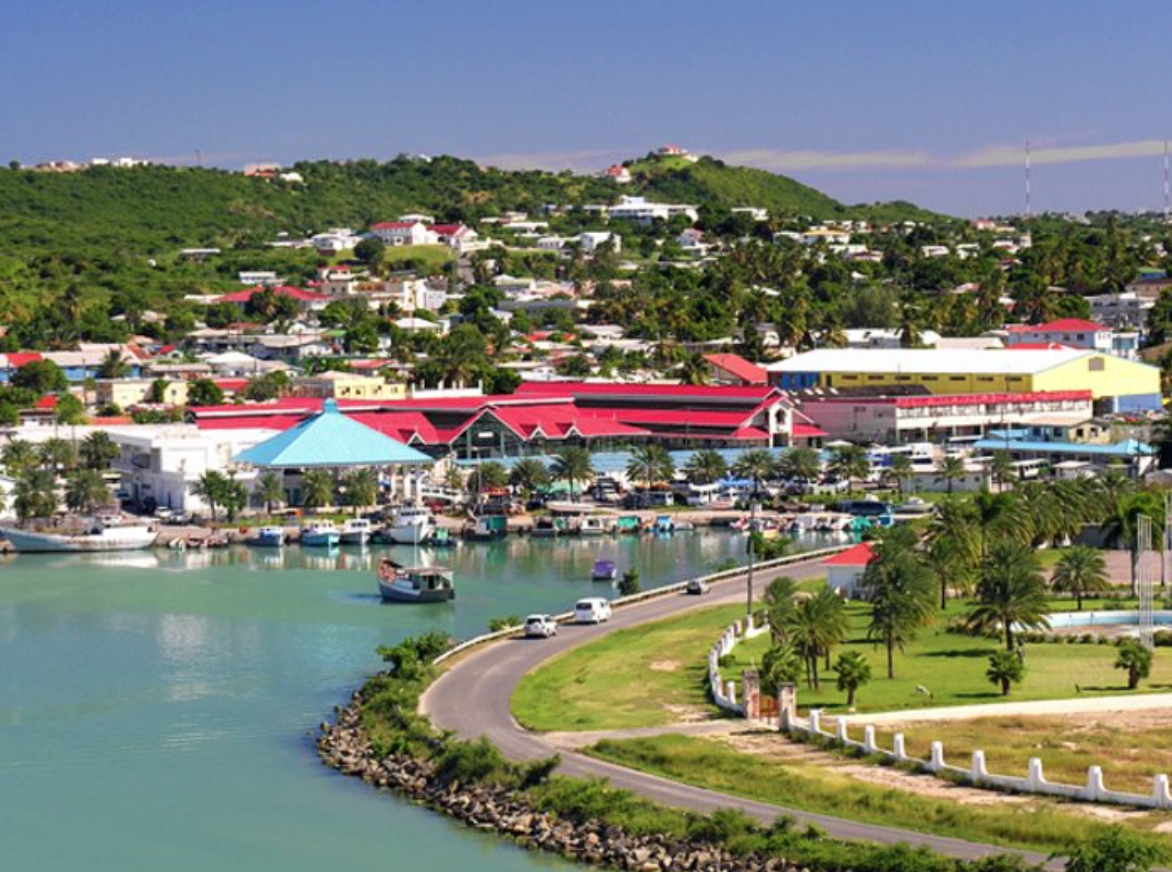
St. John’s is the vibrant capital city and main port of Antigua and Barbuda, known for its colorful colonial architecture, bustling cruise-terminal quay areas, and rich history rooted in the sugar, rum, and colonial eras. With around 23,000 residents, it's a cosmopolitan hub blending Caribbean culture with financial and cultural significance
Top Things to Do
1. Cultural & Historical Highlights
-
St. John’s Cathedral: A baroque Anglican landmark built in 1845 with twin white towers and a pitch pine–reinforced interior. Offers panoramic views over the city
-
Museum of Antigua and Barbuda: Housed in the 1747 colonial courthouse, the museum presents Arawak artifacts, sugar‑plantation history, and railway locomotives on display
-
Forts:
-
Fort James (built 1706–1739): Features cannons and great harbor views, a short walk from downtown
-
Fort Barrington (built 1779): Accessible via a steep hike up Goat Hill, rewarding visitors with coastal panoramas and historic ruins
-
-
Nelson’s Dockyard: A UNESCO World Heritage Site—Antigua’s restored 18th-century naval base set amid picturesque harbor and mountain views
2. Markets & Shopping
-
Heritage Quay: Duty‑free shopping right at the cruise-port, plus dining and entertainment options
-
Redcliffe Quay: Historic, colorful colonial buildings housing local boutiques, cafes, and galleries in a charming seaside setting
-
Public Vegetable & Fish Markets: At the heart of local life—visit early, especially on Saturday, for exotic produce like the famous Antiguan black pineapple
3. Beaches & Nature
-
Dickenson Bay & Runaway Beach: Stunning white sand and turquoise waters ideal for swimming, water sports, or simply relaxing
-
Jabberwock Beach: A wind‑surfing favorite near St. John’s with striking coastal scenery
-
Island and Marine Adventures: Snorkel at Cades Reef off Jolly Harbour, zip-line through rainforest (Antigua Rain Forest Canopy), visit Wallings Nature Reserve or enjoy tours visiting Great Bird Island and Stingray City
Eat & Drink
-
Local Cuisine & Markets: Sample street‑side or market fare at the Public Market—try pepperpot stew, fresh seafood, tropical fruits like soursop or Antigua’s famed black pineapple
-
Waterfront Dining at Redcliffe & Heritage Quays: Enjoy seafood, rum punch, local dishes with harbor views. Zemi Art Gallery café is great for art-lovers seeking atmosphere
-
Cooking Classes: Nicole’s Table in St. John's offers immersive Caribbean cookery lessons—think jerk, rum-infused dishes, and local flavors taught by a former private-island chef
Where to Stay
-
Near the Harbor / Downtown: Ideal for cruise visitors and walking access to markets, quays, Cathedral, and historic sites.
-
Beach Resorts Nearby:
-
Dickenson Bay area—Sandals Grande Antigua, Siboney Beach Club for beachside luxury.
-
Deep Bay over‑water villas at Royalton Antigua, a unique over‑water experience with plunge pools, glass‑bottom floors, and access to snorkeling directly from your bungalow
-
-
Luxury Island Stays: On Antigua beyond St. John's, consider Hermitage Bay, Curtain Bluff, or Carlisle Bay—each offering boutique or all-inclusive experiences close to nature and beaches
Travel Tips
-
Best Time to Visit: December–April offers year-round sunshine. Hurricane season runs July–November—plan accordingly
-
Getting Around: St. John’s is compact and walkable. Taxis are best for beaches or dockyards. For scenic drives, rent a car to explore Fig Tree Drive or coastal routes
-
Local Offers: Fresh local markets open early and especially busy Saturday mornings. Seek fresh Antiguan black pineapple and bartered bargains
-
Currency & Payments: Eastern Caribbean Dollar (XCD) or USD widely accepted. Cruise terminals accept cards; small shops may need cash.
-
Safety & Culture: Antigua is generally safe. Be respectful in museums and historic sites; support local artisans and avoid single-use plastics.