
Travel guide
Sofia, Bulgari
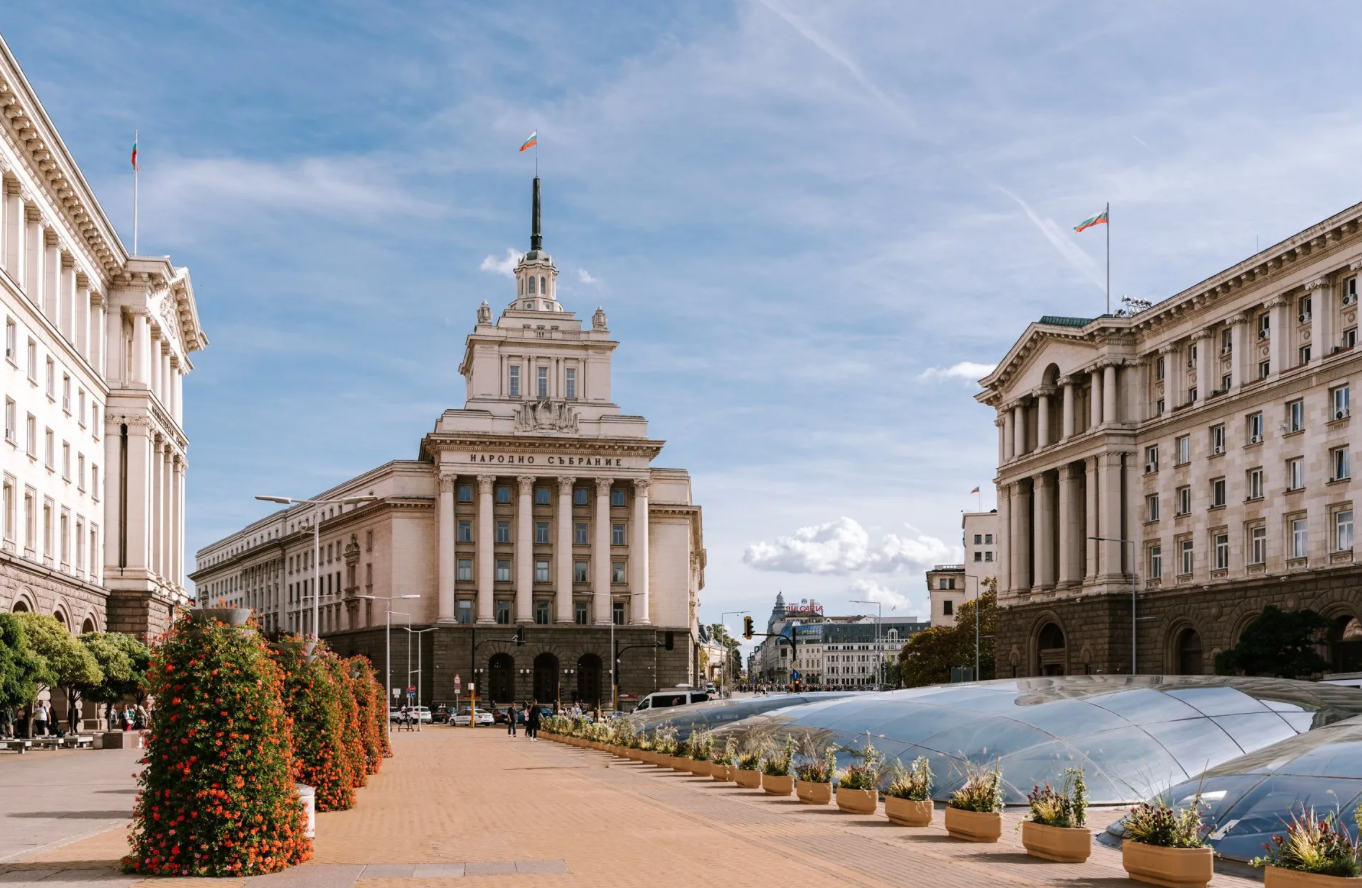
Sofia, one of Europe’s oldest capitals, lies at the foot of Vitosha Mountain in western Bulgaria. Rich in Roman, Byzantine, Ottoman, and modern architecture, the city blends deep history with a rising reputation as a tech and cultural hub With around 1.3 million residents, Sofia offers a dynamic mix of museums, markets, vibrant street life, and green mountain views.
Top Things to Do
-
Saint Alexander Nevsky Cathedral: A dazzling Neo-Byzantine landmark with golden domes and lavish interiors covering 3,170 m² and accommodating up to 5,000 people
-
Saint Sofia Church (St. Sofia Rotunda): The city’s namesake—founded in the 6th century over Roman ruins, offering a serene counterpoint to grander monuments
-
Changing of the Guard at the Presidential Palace: Watch this colorful ceremonial display hourly, with an elaborate version on weekends near Serdika and the Rotunda of St. George
-
Free Sofia Walking Tour: A budget-friendly way to cover highlights like Roman Serdica ruins, the National Theatre, and historic squares—tours in English daily
-
Vitosha Boulevard: Sofia’s premier pedestrian street with upscale boutiques, cafes, and mountain views, often regarded as the "Champs‑Élysées" of Bulgaria
-
Sofia Synagogue: A stunning Moorish-Byzantine building, the largest synagogue in Southeastern Europe, hosting a Jewish Museum of History inside
-
Archaeological & Art Museums: Explore the National Archaeological Museum inside a former Ottoman mosque building and the National Art Gallery housed in the former Royal Palace (Tsar’s Palace)
-
Central Market Hall (Hali): A 1911 market showcasing Bulgarian cheeses, produce, breads, cured meats, and meals—great for food sampling and souvenirs
Eat & Drink
Begin with banitsa (cheese pastry) and shopska salad, then try savoury dishes like kavarma, sarmi, or kebapche. Finish with desserts such as baklava or tikvenik.
Top traditional dining spots include Hadjidraganov’s Houses, Manastirska Magernitsa, and Raketa Rakia Bar—don’t miss tasting rakia (fruit brandy) in local company
Sofia’s international and modern culinary scene is growing fast—trendy restaurants like Aria and Cosmos complement the local flavors, and the city is especially affordable: €1 pints, €7 dinners, and nice hotel stays from €70/night
Travel Tips
-
Getting Around: Use the efficient, clean metro (two lines), trams, buses, and trolleybuses—metro connects Sofia Airport directly to the centre
-
Best Time to Visit: Spring and early autumn offer mild weather; November appeal offers “€1 pints and 23 °C sunshine” for low-budget travel in autumn
-
Safety & Budget: Sofia is safe and affordable—carry some cash for markets and street vendors; cards widely accepted in modern areas. English is common in service sectors.
-
Stay Duration: A 2–4 day visit covers the main sites; add day trips to Rila Monastery, Boyana Church, or nearby mountain hikes if you have more time
Where to Stay & Accommodation Recommendations
Best neighbourhoods:
-
City Centre: Ideal for first-time visitors—close to Alexander Nevsky, markets, and museums.
-
Oborishte: Historic quarter with beautiful architecture, quiet charm, and boutique hotels near top sights
-
Vitosha Boulevard / Boulevard Vitosha: Lively shopping and dining zone, with modern hotels and easy access to parks and city amenities
-
Lozenets & Boyana: Upscale, green residential areas close to Vitosha Mountain—great for hiking lovers or families seeking tranquillity
Recommended Stay:
-
For a central, elevated experience: opt for a hotel along Vitosha Boulevard or in Oborishte, combining walkability with style and convenience.