Travel guide
Salerno, Italy
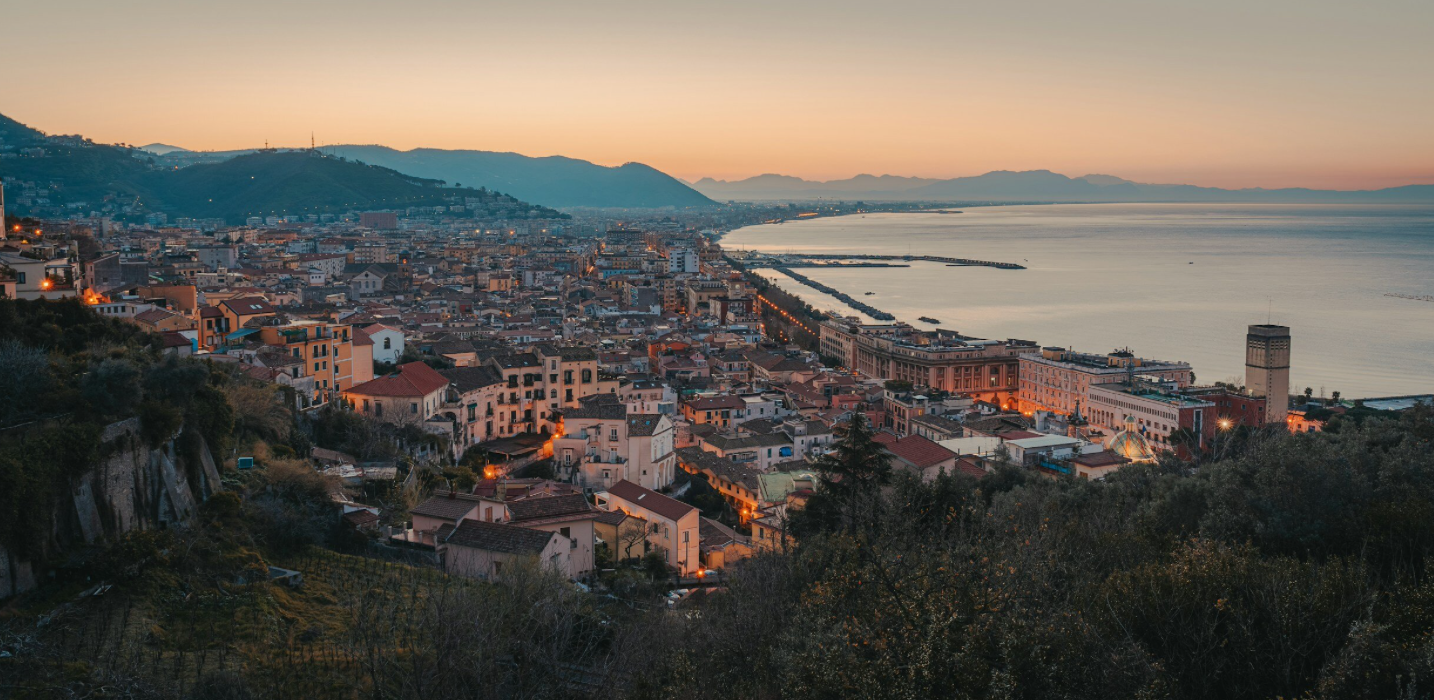
Salerno is a historic port city on the Gulf of Salerno in Campania, southern Italy. Founded by the Romans in the 2nd century BCE (Salernum), it became a medieval centre of learning thanks to the renowned Schola Medica Salernitana—the first European medical school . With centuries of Lombard, Norman, Byzantine, and modern influences, Salerno blends rich heritage, seaside charm, and access to the Amalfi Coast.
Top Things to Do
-
Salerno Cathedral (Duomo di Salerno) – A striking mix of Norman, Romanesque, Byzantine and Baroque styles, housing the relics of St. Matthew in its ornate crypt
-
Giardino della Minerva – Europe’s oldest botanical garden, once used for medical herb studies by the medieval School of Salerno, offering panoramic views of the city and sea
-
Castello di Arechi – Perched about 300 m above sea level, this medieval fortress offers sweeping views of Salerno and the Gulf, and houses an archaeological museum
-
Lungomare Trieste (Seafront Promenade) – A palm‑lined 2 km promenade perfect for evening strolls, cycling, Aperol spritz spots, and watching sunsets over the Tyrrhenian Sea
-
Historic Centro Storico & Via dei Mercanti – Explore narrow alleys, artisan shops, baroque churches, and enjoy the lively markets and traditional life around Piazza Ferrovia
-
Museo Archeologico Provinciale – Offers a fascinating collection of Etruscan, Greek and Roman artifacts, including the famed bronze head of Apollo
-
Villa Comunale – A leafy seaside public garden with fountains, statues, and a peaceful ambience—especially magical during Christmas’s Luci d’Artista festival
-
Festivals & Seasonality – Experience the luminous Luci d’Artista in winter and the vibrant Salerno Film Festival in summer, each adding cultural sparkle to your visit
Eat & Drink
-
Seafood specialties: Feast on scialatielli with clams, fresh fish dishes, spaghetti alle vongole, and locally made limoncello
-
Pastry highlights: Try sfogliatella, the flakey ricotta-filled delight unique to Campania.
-
Markets & cafés: Wander the vibrant Mercato di Salerno around Via Mercanti for fresh produce, cheeses, and street snacks—great for soaking up local life
Travel Tips
-
Best time to visit: Spring (April–June) and autumn (September–October) offer mild weather and fewer crowds; winter brings the beautiful Luci d’Artista light festival
-
Getting there: Salerno‑Costa d’Amalfi Airport (recently reopened) now serves budget flights from UK and Europe, making the city an easier gateway to the Amalfi Coast
-
Getting around: The compact old town is walkable; buses reach Arechi Castle. Ferries and buses connect easily to Capri, Amalfi, Sorrento and Pompeii (~20–30 min trips)
-
Local vibe: A lively blend of historic charm and Mediterranean spirit—expect friendly locals, seafood markets, and a genuine southern Italian pace
Where to Stay & Recommendations
While Salerno is more budget-friendly and less touristy than Positano or Amalfi, you'll find comfortable and authentic options:
-
Historic B&Bs and mid‑range hotels near the Duomo and promenade offer easy access to sights and seaside dining.
-
Seafront and central stays: Properties along Lungomare Trieste or just off Via dei Mercanti provide convenience and atmosphere.
-
Day-trip base: Ideal for excursions to Amalfi, Ravello, Capri, Pompeii, or even Cilento with lower accommodation costs than surrounding coastal towns