Travel guide
Quartu Sant’Elena
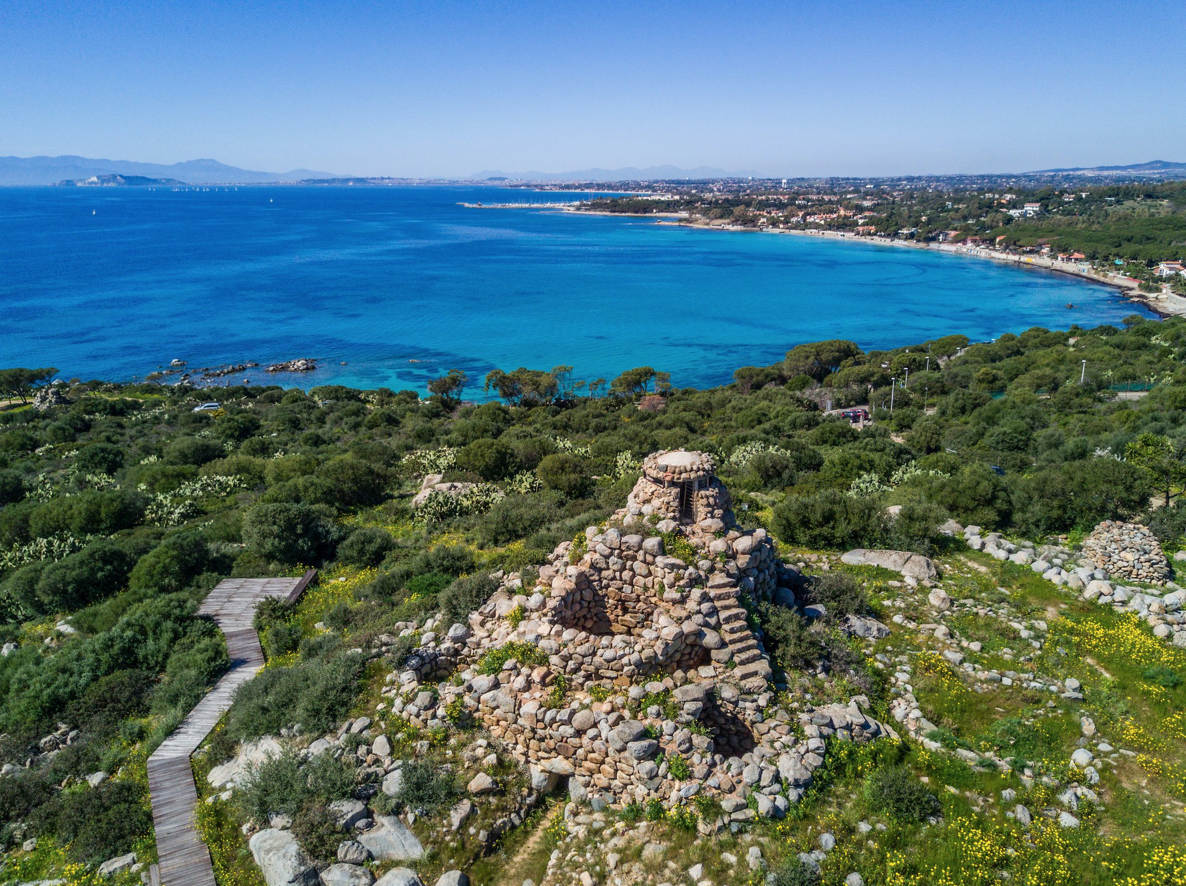
Quartu Sant’Elena is Sardinia’s third-largest city (≈68,000 residents as of 2025), located about four miles east of Cagliari along the ancient Roman road—hence its name from Latin Quartum miles and its patron Saint Helena commemorated in its title.
The area boasts deep history from Nuragic, Phoenician and Roman times, evidenced by archaeological remains including the impressive Nuraghe Diana, a trilobed Bronze‑Age structure overlooking the Gulf of Cagliari.
Top Things to Do & See
Beaches & Coastal Attractions
-
Poetto Beach: An 8 km stretch of golden sand from Sella del Diavolo to Quartu. Excellent for swimming, sunbathing, beach sports, and seaside cafes; perfect at sunset with vibrant local nightlife
-
Sella del Diavolo: Dramatic promontory offering hiking routes and panoramic sea views. Ideal also for snorkeling and diving nearby
-
Is Mortorius & Cala Regina: Hidden coastal coves set within natural surroundings, offering quieter beaches and scenic beauty
Nature & Wildlife
-
Molentargius‑Saline Regional Park: A unique wetland home to pink flamingos, herons and other birds. Enjoy walking or cycling trails with observation points and picnic areas
Historic & Cultural Sites
-
Basilica of Sant’Elena Imperatrice: The town’s main church, originally older but rebuilt in Neoclassical style in the 19th century. Celebrates its patron in a festival each September (14th), including processions, wine fairs, and fireworks
-
Other Historic Churches: Santa Maria Cepola, Sant’Agata, San Forzorio, San Benedetto, Sant’Antonio di Padova, San Luca and others each reflect the town’s medieval‑Renaissance religious heritage
-
Sa Dom’e Farra Ethnographic Museum: Housed in a restored 19th‑century rural house, displaying around 8,000 folk objects illustrating Sardinian daily life from the 18th to 20th centuries
-
Torre di Carcangiolas and Torre del Mortorio: Remnants of Spanish-era coastal watchtowers; ideal for views and light historical exploration
Local Festivals & Events
-
Festa di Sant’Elena (mid‑September): Religious celebrations include wine fairs, grape festivals, sports, music and fireworks
-
Sagra di San Giovanni Battista (late July): Traditional procession with horses, folktales, and the ceremonial “gatto” offering from villages to the church of Sant’Andrea in Flumini
-
Music & Wine festivals: Jazz & World and Jazz & Wine events held in local squares and historical cloisters during summer months .
Family & Leisure
-
Parco Andrea Parodi: A green, well-kept city park ideal for families and relaxing outdoor brunches or picnics
Eat & Drink: Culinary Highlights
Sardinian flavors meet fresh seafood and regional traditions:
-
Start with pane carasau with pecorino and honey.
-
Enjoy grilled octopus, sardines or fregola con arselle (tiny pasta with clams).
-
Explore Quartu’s vibrant food market—highly praised by visitors for fresh fish, produce, breads, pastries, and cheeses
-
Recommended local eateries: La Piazzetta for cozy seafood ambiance; Ristorante Pescheria for upscale fresh catch dishes
Where to Stay & Accommodation Tips
-
Perfect stay zones include neighborhoods around Sant’Elena basilica and Flumini, offering easy access to beaches and central attractions.
-
For beachside relaxation, resorts like Sighientu Resort, LAVITA Camp or Best Western Hotel Residence Italiaare popular choices with amenities ranging from pools to beachfront access (~€90–150/night)
Travel Tips
-
Getting There: Just east of Cagliari, easily reachable by bus or car. Good transport links and proximity to Molentargius Park and beaches.
-
Best Seasons: May–June and September offer warm weather, lower hotel rates and vibrant local festivals. Avoid midsummer crowds if possible
-
Local Culture: Honor local customs—dressing modestly for church visits, respecting riposo midday breaks. Basic Italian pleasantries are appreciated.
-
Safety & Costs: Generally safe and affordable. Use cards for city dining; keep cash for markets and rural venues.