
Travel guide
Praia
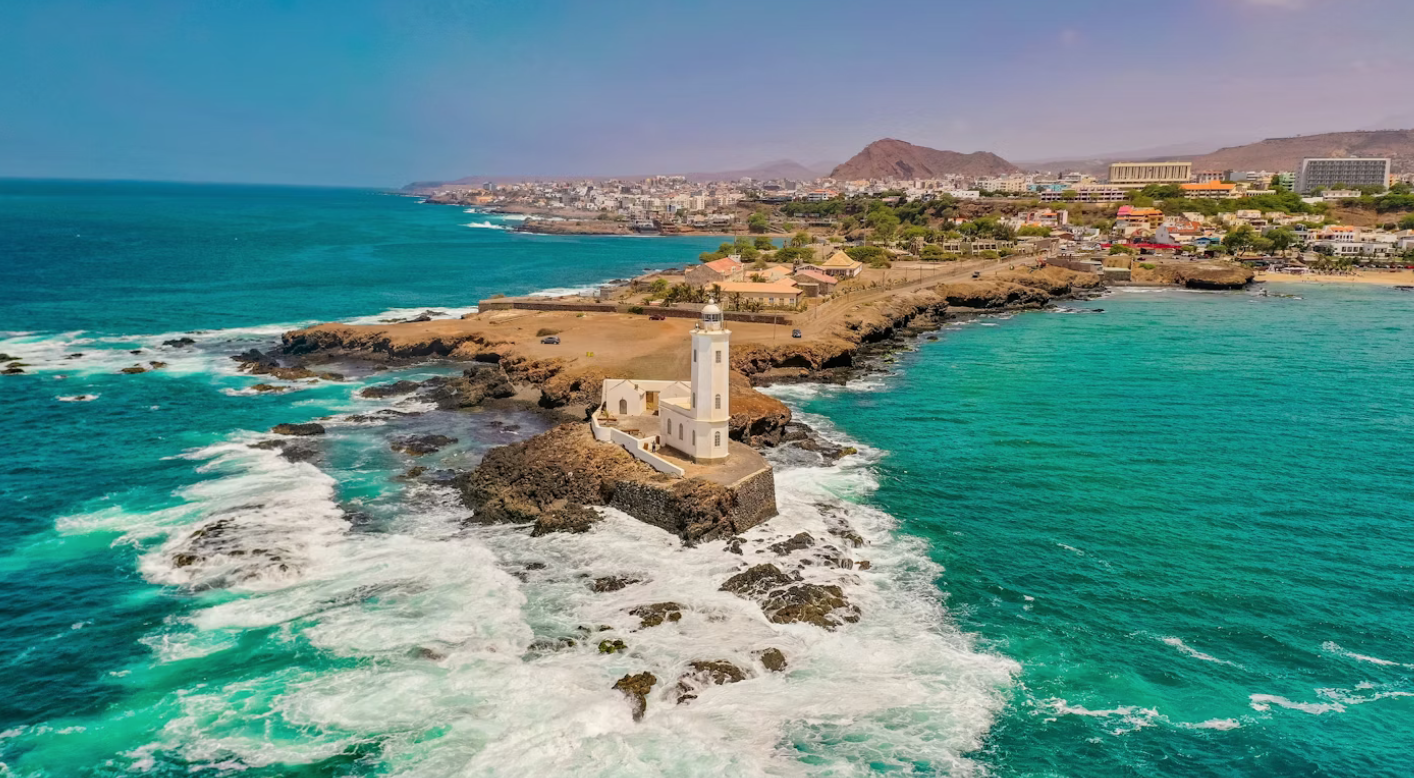
Praia (Portuguese for “beach”) is the capital and largest city of Cape Verde, located on Santiago’s southern coast. Home to around 160,000 people, it’s the nation’s political, economic, and cultural center, with historic colonial architecture and energetic local life on a scenic plateau overlooking the Atlantic
Top Things to Do
-
Wander the Plateau (historic centre): Stroll its grid‑planned streets, colonial mansions, Praça Alexandre Albuquerque, and pedestrianised Rua 5 de Julho. Don’t miss the Ethnographic Museum in a 19th‑century building on Rua 5 de Julho
-
Pro-Cathedral of Our Lady of Grace: A neoclassical Catholic cathedral completed in 1902, sitting on Praça Alexandre Albuquerque—the seat of the local diocese .
-
Museu Etnográfico da Praia: Offers cultural insights into Cape Verdean traditions and objects, housed in a historic Plateau building.
-
Quintal da Música: A beloved music pub in Plateau featuring live morna, funaná, coladeira performances and local dishes like cachupa rica in a colonial façade setting.
-
Market & Sucupira Market: Browse bustling food and craft stalls; try local home‑cooked “menu of the day” meals—cheap and satisfying meals with rice, fish or chicken at a few dollars.
-
Beaches — Quebra Canela & Prainha: Safe swimming beaches close to town, ideal for sunbathing, casual cafes and evening strolls.
-
Day Trips: Visit Cidade Velha, a UNESCO-listed former capital, or take scenic rides to Tarrafal or Serra da Malagueta across Santiago for hiking and cultural views.
Eat & Drink
Praia’s cuisine reflects Portuguese and Creole influences, centered on fresh seafood and comforting stews. Highlights include:
-
O Poeta Lounge & Food: Elegant rooftop bar-restaurant with Atlantic seafood and signature “Poet’s Lobster” dish, voted a local gem
-
Café Maracujá & Maracujá Cafe: Comfortable spots offering grilled tuna, salads, crepes, and occasional cocktails around Palmarejo.
-
Kebra Cabana (Quebra Canela): Beach bar serving relaxed meals, live music on Fridays, cold drinks and sunset views.
-
Pastelleria Blue Café, Pão Quente Bakery & Local stalls: Budget “menu of the day” meals (~300–400 CVE / US $3–4) at eateries near Plateau, plus ice cream and freshly baked goods
Travel Tips
-
Best Time to Visit: November to March offers dry, pleasant weather and is ideal for visits, especially avoiding the rainy season from July–October
-
Getting Around: Taxis or shared yaasi minibuses are common. Walking is feasible in Plateau, but hilly terrain and tricky navigation recommend mapping. Day trips to other parts of Santiago island often start at Sucupira market
-
Stay Safe: Praia isn’t dangerous for tourists, but petty theft and poorly lit alleys suggest caution in peripheral areas—especially at night. Stay vigilant, and learn basic Portuguese or Creole phrases for smoother interactions
-
Money & Visa: Cape Verdean escudo (CVE) is currency, though euros are often accepted. ATMs are rare outside tourist zones; use bottled water and avoid street food if unsure. British nationals can register visa‑free for 30 days
-
Length of Stay: 2 full days cover city highlights. Add extra days for hiking in Serra da Malagueta or exploring Cidade Velha and Tarrafal
Where to Stay & Recommended Accommodation
-
Hotels cluster around Quebra Canela and Prainha, offering beach access and easy walking distance to Plateau. Options include ocean-view hotels, boutique stays, and local apartments (see Expedia listings)
-
Recommended choices blend location, comfort, and views—opt for beachfront hotels on the southern coast or comfortable guesthouses near Plateau for both culture and relaxation.