
Travel guide
Padua (Padova), Italy
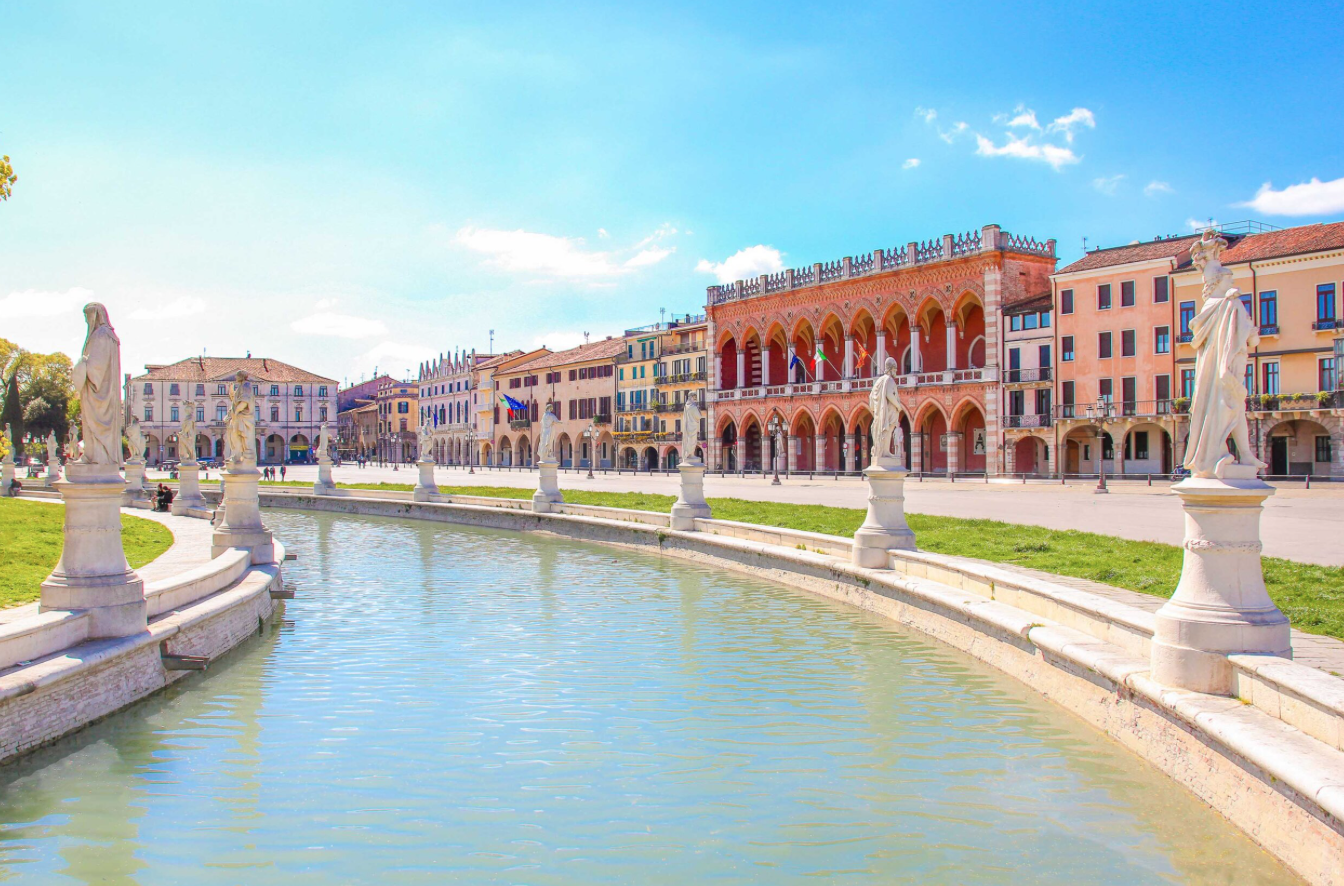
Padua, northwest of Venice, is a historic university city nicknamed “the Brain of Veneto”, steeped in art, science, and scholarship since medieval times . Home to the University of Padua, established in 1222, the city educated Galileo, Copernicus, Petrarch, and Dante. Padua’s artistic legacy is anchored by UNESCO-listed frescoes from the 14th century, including Giotto’s masterpiece in the Scrovegni Chapel
Top Things to Do
-
Scrovegni Chapel – A must-see: Giotto’s stunning fresco cycle (c. 1305), considered a turning point in Renaissance art. ADVANCE booking recommended
-
Basilica of Sant’Antonio – Pilgrimage site housing the relics of Saint Anthony, with mixed Romanesque, Gothic, and Byzantine architecture, plus Donatello’s bronze reliefs
-
Palazzo della Ragione – Medieval civic hall with the world’s largest unsupported roof and a rich array of allegorical frescoes inside. Ground-floor markets sell local produce and crafts under its arcades
-
Piazza delle Erbe & Piazza della Frutta – Historic market squares bustling with stalls, lively bars, and afternoon spritz culture
-
Prato della Valle – One of Europe’s largest squares, featuring a central canal flanked by statue-lined promenades and elegant mansions
-
Orto Botanico di Padova – The world’s oldest academic botanical garden, founded in 1545 and still in its original location, now a UNESCO site featuring centuries-old design and living plant collections.
-
Padua Cathedral & Baptistery – The baptistery is adorned with frescoes by Giusto de’ Menabuoi, forming part of UNESCO’s “Padua fresco cycles” site.
-
Musei Civici & Giardini dell’Arena – A museum complex adjacent to peaceful gardens, housing works by Giotto, Bellini, Veronese, and early artifacts.
-
Palazzo Bo & Anatomical Theatre – Main University building with Europe's oldest anatomical theatre and historical halls where Galileo once taught.
Eat & Drink
-
Local specialties: Try bigoli al baccalà (buckwheat pasta with salt cod), risotto, gallina padovana (heritage poultry), fugassa (Veneto-style focaccia), and sbrisolona cake
-
Gran bollito alla Padovana: a hearty local stew of mixed meats served in autumn and winter
-
Mercato & snack scene: Visit Piazza delle Erbe for cicchetti and aperitivo spritzes in the bars lining the markets, ideal with a plate of cicchetti at All’Ombra della Piazza
-
Historic Caffè Pedrocchi: Try the famed Pedrocchi coffee with mint cream—padovano tradition since the 19th century
-
Fine dining: For elegant Veneto cuisine, Ristorante Boccadoro and Enotavola Pino offer refined dishes and local wines.
Travel Tips
-
Best time to visit: Spring (April–June) and early fall (Sept–Oct) offer mild weather and fewer crowds. Summer can be warm but livelier with evening strolls across piazzas.
-
Getting there: Easily reachable via trains—just 20 minutes from Venice (
€3) or under 2 hours to Milan (€10-20). Padua lacks its own commercial airport, but shuttle options connect nearby airports. -
Getting around: Compact center ideal for walking. Canals and riverside promenades are scenic for leisurely exploration. Bikes or local transit handle further travel.
-
Culture & atmosphere: With ~60,000 students, Padua pulses with youthful life, blending relaxed academic culture and vibrant social scenes—especially around aperitivo hours .
-
Safety & costs: Tuscany-style city with modest pricing compared to Venice and Milan; generally safe and welcoming.
Where to Stay
-
Historic center/near Prato della Valle: Charming B&Bs, boutique hotels, and local guesthouses offer authentic stays close to markets and squares. Expect mid-range rates comparable or slightly lower than Venice.
-
Vicino Università / Zona Muraria: Convenient for nightlife and students — vibrant neighborhood with affordable accommodations.
-
Day trips: Easily day-trip to Vicenza (Palladian villas), Venice, and the Brenta Riviera cruise route