Travel guide
Ouagadougou
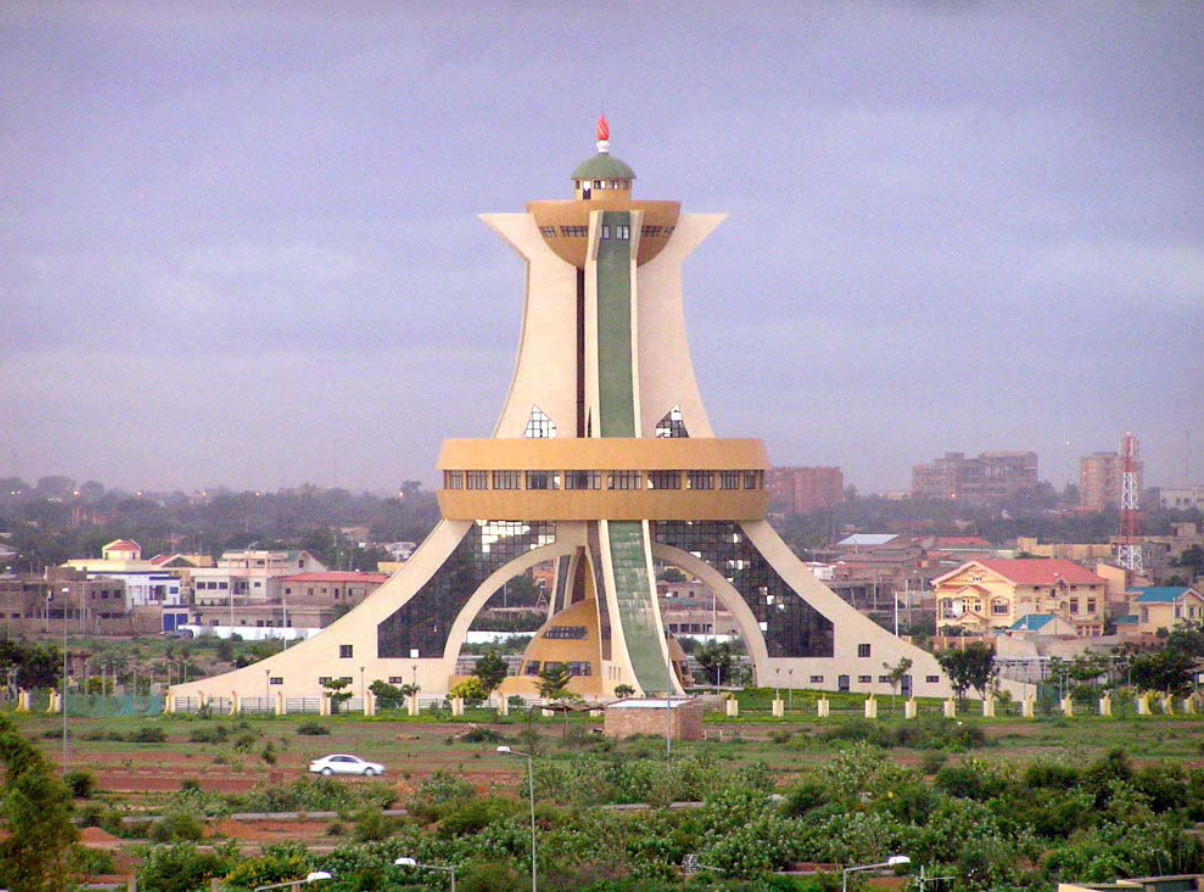
Ouagadougou (often called “Ouaga”) is Burkina Faso’s political, cultural, and economic hub, with around 1.7 million residents. A Mossi kingdom since the 15th century, today it pulses with market life, crafts, music festivals, and a touch of colonial charm The city retains deep Mossi roots while embracing modern urban energy.
Top Things to Do
-
National Museum of Burkina Faso – Exhibits ethnographic artifacts, traditional masks, textiles, and Mossi regal objects detailing Burkina’s heritage .
-
Grand Mosque & Presidential Palace – View striking architecture in the city centre and explore surrounding gardens.
-
Village Artisanal de Ouagadougou – A hub showcasing local artisans, crafts, textiles, and woodwork—perfect for souvenirs.
-
Laongo Sculpture Park – A peaceful open-air gallery with monumental stone sculptures set in rural countryside about 35 km from Ouagadougou.
-
Bangr-Weoogo Urban Park – A green oasis within the city offering nature walks and bird-watching in a semi-wild savannah landscape
-
Attend FESPACO – The Pan-African Film and Television Festival held biennially, attracting African cinema fans from across the continent.
Eat & Drink
-
Maquis Tonton – Casual local eatery offering traditional Burkinabé dishes like tô (corn porridge), grilled meats and stews.
-
Le Verdoyant – A relaxed garden-style restaurant known for French-inspired cuisine and ambiance.
-
Street food & snack stalls – Try beignets, brochettes, and spicy local halva. Evening BBQ spots light up around markets.
Travel Tips
-
Getting Around – The city is serviced by taxis, buses, and moto-taxis called "zemidjans." Bargain for fares or use reliable taxis—rental cars are also an option.
-
Best Time to Visit – The dry season from November to February is ideal: warm days and cool nights. Avoid rainy season (June–September) when roads can be muddy.
-
Health & Safety – Carry bottled water and take malaria precautions. Maintain vigilance in crowded markets and at night, and use official transport when possible.
-
Language & Communication – French is the official language, while Mooré and Dioula are widely spoken. Simple French phrases and polite greetings are appreciated.
-
Currency – The Central African CFA franc (XOF) is standard—cash is preferred, card acceptance is limited outside hotels and upscale restaurants.
Where to Stay & Recommended Accommodation
-
Luxury/Mid-range: Laïco Ouaga 2000 – Provides modern amenities, restaurant, pool, and central location near administrative zones.
-
Boutique Hotels & Guesthouses: Several welcoming guesthouses in Plateau area or near Boulevard Charles de Gaulle offer clean, modest stays with local hospitality.
-
Recommended Stay: Laïco Ouaga 2000 is ideal for comfort, reliability, and location, especially for first-time visitors.