Travel guide
Minsk
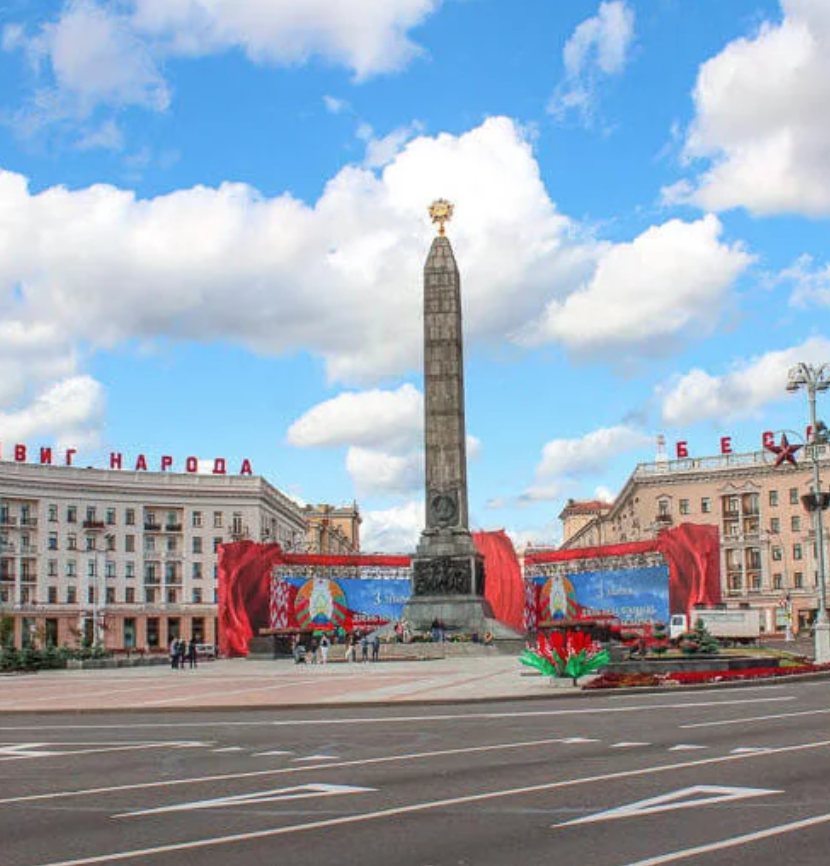
Minsk, Belarus's capital and cultural heart, is a city of wide Stalinist boulevards, leafy parks, and relaxed urban life. Rebuilt post‑WWII in grand Soviet style, it blends modern vitality with peaceful charm. With about two million residents, it's known for being exceptionally clean, safe, and affordable to explore
Top Things to Do
-
Independence Avenue & Squares
Explore a 15 km stretch through monumental Stalin-era architecture, from the Central Railway Station to Victory Square. Key stops: Independence Square (with Government House and Red Church), Victory Square's arch and eternal flame, and Yakub Kolas Square -
Church of Saints Simon and Helena (Red Church)
Iconic red‑brick neo‑Gothic church built in 1910, now a cultural and spiritual landmark on Independence Square -
Belarusian Great Patriotic War Museum
A powerful, modern museum chronicling Belarus during WWII with tanks, interactive displays, holograms, and history of civilian suffering. One of Europe's most comprehensive war museums -
National Library of Belarus
Iconic diamond‑shaped building with rooftop observation deck offering 360° city views and glowing LED facade at night -
Trinity Suburb (Troitskoye Predmestye)
Riverfront historic district of reconstructed 19th-century houses, cafes and cobbled lanes—perfect for strolls and sunset views along the Svislach River -
Gorky Park & Ferris Wheel
A spacious park with rollercoasters, observatory, planetarium—with a 56 m Ferris Wheel perched among greenery and evening entertainment . -
Oktyabrskaya Street (Street Art District)
Former industrial zone turned creative hub with vibrant murals, indie cafés, galleries, and nightlife, popularized by Vulica Brasil street art festival -
National Opera & Ballet Theatre
Enjoy high‑quality opera or ballet in an elegant venue—tickets can be incredibly affordable (~$4) if you're dressed properly. -
Hidden Gems:
-
Museum of Zair Azgur: preserved sculptor's studio with giant Soviet-era busts
-
Metro stations: like mini museums with chandeliers, mosaics, and polished marble—worth riding for aesthetics alone
-
Eat & Drink
-
Belarusian specialties like draniki (potato pancakes), machanka (meat stew), stuffed tomatoes, hearty solyanka, and grilled meat dishes paired with local horseradish liqueurs or honey vodkas
-
Drinks: Try kvas (fermented bread drink), local balsam, or Belarusian beers in pubs like Friends Club or Surf Coffee-style cafés
-
GUM department store on Independence Avenue features Soviet-era atmosphere and local handicrafts; the underground basement cafés often serve authentic food and steaming draniki hidden next to the escalators
Travel Tips
-
Best Time to Visit: May–September is ideal—mild weather, festivals and green city life. Winter creates a fairy-tale atmosphere with fewer crowds and festive lights
-
Getting Around: Clean, punctual metro system, walkable central districts, e‑scooters and affordable taxis. Metro stations themselves are architectural attractions
-
Safety & Cleanliness: Frequently praised as one of Europe’s cleanest and safest capitals—public rules discourage noise, begging, public drinking or littering
-
Currency & Language: Belarusian Ruble (BYN). English is understood in tourist areas, while Russian and Belarusian are predominant.
-
Suggested Stay Duration: 3–4 days in the city, with day trips outside to Mir & Nesvizh Castles or Dudutki folk museum if time allows
Where to Stay & Recommended Neighborhoods
-
City Centre / Upper Town: Ideal for walkability and proximity to Grand Square, museums, and river vistas.
-
Trinity Suburb area: Quaint streets and cafés along the river with boutique hotels.
-
Recommended hotels: DoubleTree by Hilton Minsk (river views & rooftop bar); Hotel Belarus for classic style; or Boutique Hotel Buta for central design-focused stay