Travel guide
Kabul, Afghanistan
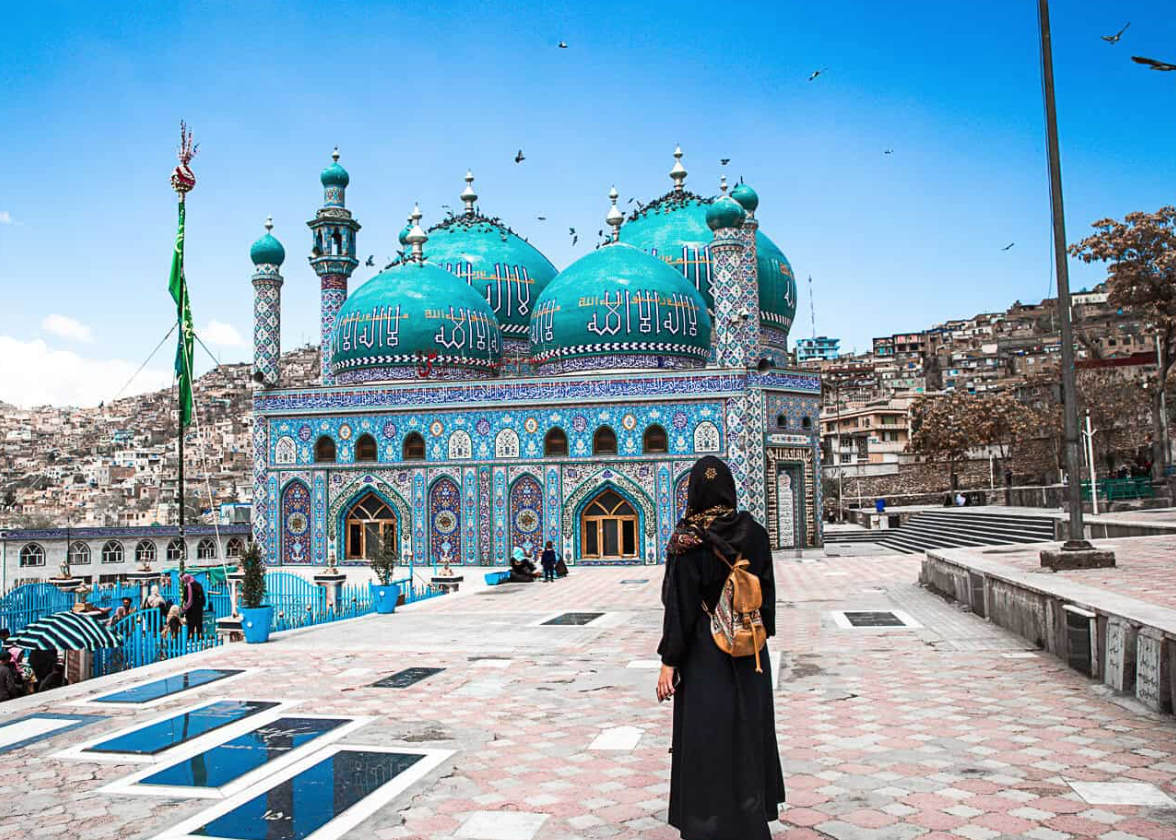
Kabul, the capital of Afghanistan, lies in a narrow valley and has been at the crossroads of empires—reflecting layers of history from Mughal and Persian to Ottoman and Soviet eras. The city showcases a blend of historic mosques, tranquil gardens, bustling bazaars, and resilient local culture, despite ongoing political instability.
Top Things to Do & See
-
Shah‑Do Shamshira Mosque: A striking two-story mosque built in Italianate baroque style, located beside the Kabul River. Famous for its ochre façade and lively bird feeding scene in the square.
-
Ka Faroshi (Bird) Market: Traditional alley filled with bird cages and Avian trade—part of Afghan daily life. Visitors often photograph locals feeding birds.
-
Sakhi Shrine (Shah‑e Mardan): Historic shrine at the base of Asamai Hill featuring elaborate tilework and panoramic sunset views, popular with locals.
-
Gardens of Babur (Bagh‑e Babur): Serene Mughal-era gardens with terraces, fountains, trees, and Babur’s tomb. A restored refuge amid the city.
-
National Museum of Afghanistan (Kabul Museum): Displays ancient artifacts, manuscripts, coins and sculptures tracing Afghan civilizations. Though heavily looted during conflict, it offers insight into the country's historical resilience.
-
Darul Aman Palace: A neoclassical landmark built in the 1920s, revived by 2020, symbolizing hope and renewal. Open to visitors.
-
Bibi Mahru Hill (TV Hill): Offers stunning panoramic views of Kabul, originally featuring a large flag and viewing pool.
-
Chicken Street: Narrow thoroughfare in Shahr‑e Naw district—renowned for carpets, lapis lazuli, antiques and crafts; once part of the hippie trail.
-
Mandawi Bazaar: One of Kabul’s oldest markets, packed with spices, textiles, jewelry and produce—an immersive local experience.
-
Shahr‑e Naw & Wazir Akbar Khan districts: Lively neighborhoods offering cafés, shops, cultural spaces, and upscale dining. Great for experiencing contemporary city life.
-
Qargha Reservoir: Weekend escape just outside Kabul—boating and picnicking spot. Access may be limited for women under current rules.
Eat & Drink: Afghan Cuisine Highlights
-
Kabuli Palaw: National dish of fragrant rice with lamb/beef, raisins, carrots, and nuts.
-
Mantu & Bolani: Steamed dumplings and stuffed flatbread, typically served with yogurt and mint sauce.
-
Street vendors in Shahr‑e Naw sell bolani, dough (yogurt drink), and kebabs among locals.
Travel Tips
-
Safety: Travel only with experienced local guides, avoid walking at night, never use public transport, and dress conservatively—especially for women. i
-
Women-only tours: Female guides lead women-only itineraries offering cultural access often restricted to men.
-
Best time to visit: Spring and autumn (March–May & September–November) bring mild weather and ideal conditions for sightseeing.
-
Money & language: Local currency is Afghani (AFN). USD/EUR exchange is possible in bazaars like Sarai Shahzada. Dari and Pashto are main languages; knowing basic phrases helps.
-
Cultural norms: Photographs in public are sensitive. Cockfighting persists despite being outlawed and remains clandestine—avoid involvement.
Where to Stay & Accommodation Recommendations
Due to ongoing instability and limited tourism, internationally-branded hotels are rare. Travelers usually stay in secure guesthouses or compounds arranged through tour operators. Most accommodation is organized in central Kabul, near Shahr‑e Naw or Wazir Akbar Khan districts for ease of access to key sights. Women-only tour groups may use secure female‑staffed lodgings.