
Travel guide
Foggia, Italy
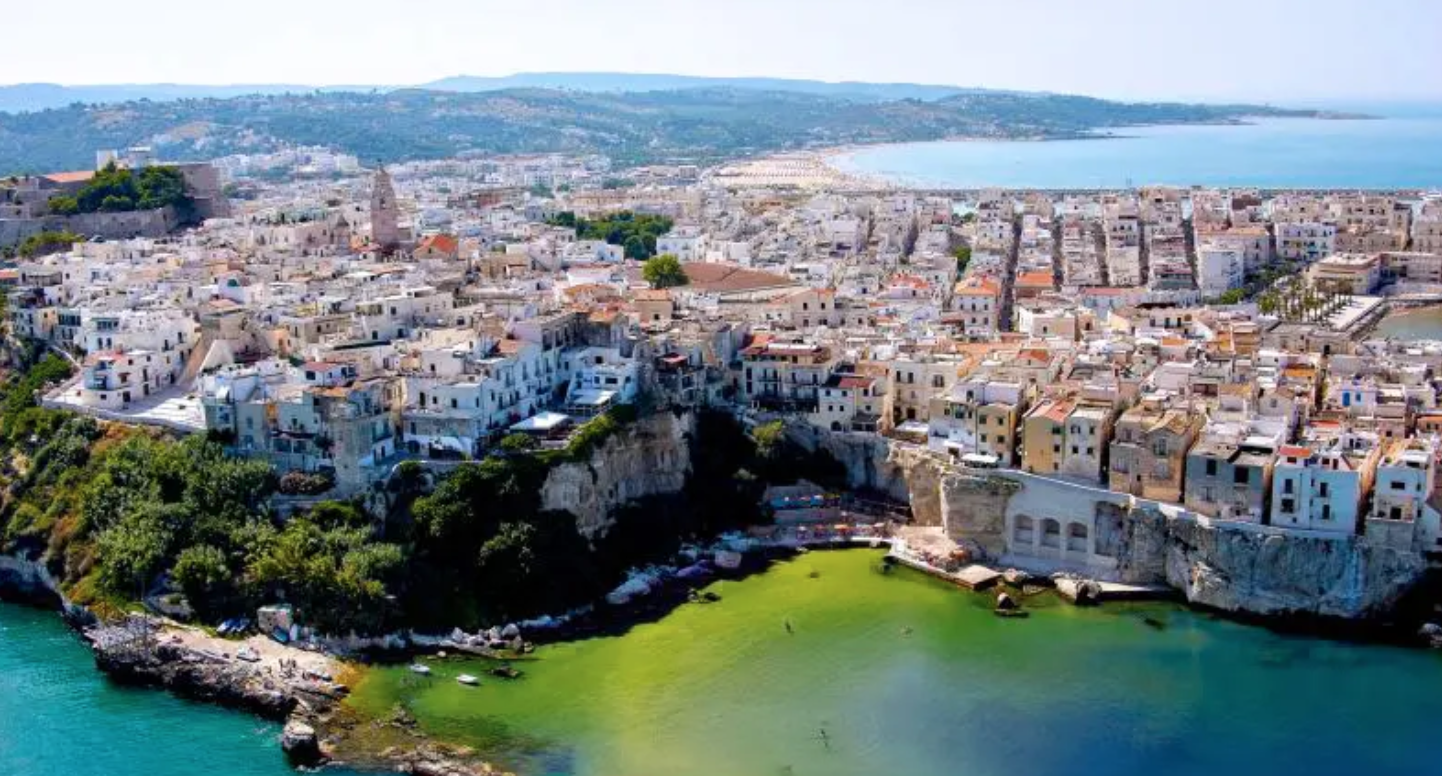
Foggia, nestled in inland Puglia on the fertile Tavoliere plain, is known as the "Granary of Italy" for its centuries‑long agricultural significance in wheat and tomato production. The city was rebuilt after a devastating medieval drought and continues to serve as a cultural and commercial hub in the region
Top Things to Do
-
Foggia Cathedral (Santa Maria Assunta / Madonna dei Sette Veli)
Dating to the 12th century and later revamped in Baroque style, the cathedral houses the revered ancient icon, the Madonna of the Seven Veils -
Church of the Crosses (Chiesa delle Croci)
A national monument formed around seven wooden crosses planted during a procession that miraculously ended a 17th‑century drought. Visitors can admire five chapels along the sacred path -
Hypogea (Gi Ipogei)
Beneath the historic center lies a network of underground cellars, wells and medieval structures—likely from Frederick II’s palace—perfect for exploration with guided tours -
Teatro Umberto Giordano
A striking 19th‑century neoclassical theatre acting as Foggia’s cultural heart. Catch a concert, play or opera—or simply admire its elegant interior -
Piazza Cavour & Fontana del Sele
The city’s central square, home to the impressive fountain inaugurated in 1924 in front of the cathedral and adjacent to the tranquil Villa Comunale park -
Palazzo Dogana & Civic Museum
This former 18th‑century customs house, now a modern art gallery, is adjacent to the Palazzo Arpi, housing Foggia’s Municipal Art Gallery with archaeological finds and historic art -
Villa Comunale & Bosco Incoronata Park
Foggia’s leafy green lungs—great for walks and relaxation, and home to the nearby Bosco Incoronata nature reserve boasting hiking trails, waterfalls, and wild fauna -
Day Trip to Gargano & Tremiti Islands
A short drive north leads to Gonzano National Park, famous for the Foresta Umbra forest, and the Tremiti Islands—crystal-clear Adriatic isles ideal for beaches and snorkeling tours
Eat & Drink
-
Traditional dishes
Foggia’s food scene is rooted in rural Puglian traditions. Don’t miss pancotto (a rustic vegetable-and-bread soup), orecchiette pasta with turnip greens & caciocavallo cheese, taralli breadsticks, chickpea flatbreads, and bitter local greens with egg (cardoncelli con le uova) -
Regional specialties
Sample Pecorino Foggiano — a pungent sheep’s cheese aging 2‑6 months, and Focaccia di Recco, a cheesy, herb‑filled flatbread linked directly to Foggia’s terroir -
Dining suggestions
For authentic local flavour, try Osteria Numero Dieci in the city center. Expect simple, hearty Mediterranean dishes served in a welcoming setting.
Travel Tips
-
Best Time to Visit
Spring (April–June) or early autumn offer comfortable weather and pleasant scenery. Summer can be extremely hot inland, so coastal day-trip options may feel more refreshing -
Getting There & Around
Easily accessed by train from Bari or Milan. Foggia’s center is compact and best explored on foot; local buses serve nearby sites. For nature trips to Gargano or Tremiti, consider renting a car or booking a guided tour -
Safety & Etiquette
Foggia is generally safe, though some sources note higher-than-average petty crime—especially at night—so common-sense precautions are advised. Locals appreciate friendly greetings and smart-casual dress when dining out or visiting churches -
Culture & Events
Key events include the Festa della Madonna dei Sette Veli in March and the local film or cultural festivals in autumn. The city’s artistic pulse is evident in theatre performances and public events throughout the year -
Where to Stay
- Historic Centre (near Piazza Cavour or Cathedral)
Boutique hotels and B&Bs offer charming stays with easy access to landmarks, markets, and evening passeggiata routes. - Green district near Villa Comunale
Perfect for relaxed lodging by parks and culture venues, including Palazzo Dogana and theatre. - Gargano coast or Vieste
For beach lovers, coastal towns north of Foggia offer serene beaches and access to the Tremiti ferry—ideal for couples or nature-centric holidays.