
Travel guide
Cremona
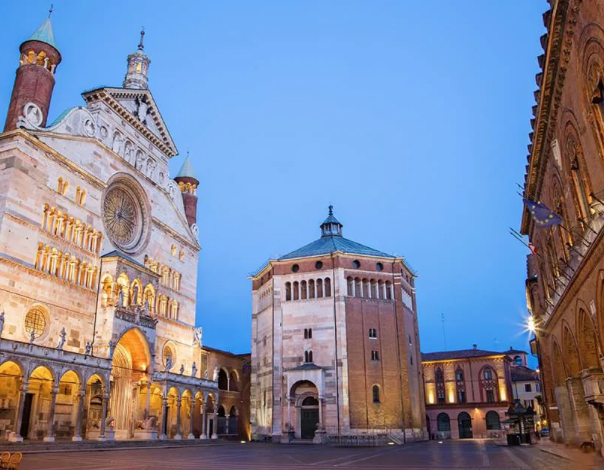
Cremona is a historic city in Lombardy, seated on the Po River in the Po Valley. With around 71,000 residents, it’s world-famous for its violin-making tradition, producing masters like Stradivari, Guarneri and the Amati family. UNESCO recognized Cremona’s traditional violin craftsmanship as intangible heritage in 2012. Founded by the Lombards and later under Visconti and Sforza rule, the city retains a rich medieval and Renaissance architectural heritage
Top Things to Do
-
Torrazzo & Astronomical Clock – The 112.5 m bell tower next to the cathedral is Italy’s tallest pre‑modern tower and one of Europe’s tallest brick towers. Climb 502 steps and visit the Vertical Museum dedicated to time measurement. The world’s largest astronomical clock (8.2 m dial) displays zodiac signs, lunar phases, and more
-
Cremona Cathedral & Baptistery – A Romanesque-Gothic masterpiece dating from the 12th century, decorated with frescoes and sculptural details. Adjacent is the octagonal Baptistery of San Giovanni
-
Museo del Violino – Showcases historic violins by Stradivari, Amati, and Guarneri. Offers interactive exhibits and concerts in the Giovanni Arvedi Auditorium. The nucleus of Cremona’s luthier tradition
-
Piazza del Comune & Palazzo del Comune – One of Italy’s most beautiful squares, featuring the Town Hall (built 1206–1245) with Renaissance art inside by local masters
-
Historic Workshops & Pastry Shops – Visit violin workshops to witness artisans at work and discover pastry shops like Sperlari and Lanfranchi, famous for authentic nougat (torrone) and Pan di Cremona cakes
-
Churches & Palaces – Explore nearby treasures: Sant’Agostino with its Cappella Cavalcabò frescoes, Church of San Sigismondo, Palazzo Trecchi and Palazzo Cittanova in the elegant historic center
-
Teatro Amilcare Ponchielli – Cremona’s opera house dating to the 18th century, seating over 1,200 and featuring historic performances on city‑owned Stradivari and Guarneri violins
Eat & Drink: Local Cuisine
-
Gran Bollito Cremonese – Mixed boiled meats served with mostarda cremonese, a sweet-spicy candied fruit and mustard sauce
-
Marubini in Brodo – Small meat‑filled pasta served in rich broth made from chicken, beef and pork
-
Tortelli di Zucca & Sbrisolona Cake – Pumpkin stuffed pasta and crumbly almond cake sbrisolona, typical desserts of the area
-
Salame Cremonese & Cheeses – Local salami paired with Grana Padano or gorgonzola; don’t miss torrone, the famous nougat celebrated at the Festa del Torrone in November
Where to Stay & Recommended Accommodations
-
Stay in or near the historic center for easy walking access to major attractions like the Cathedral and Torrazzo.
-
Good options include Hotel Duomo, Albergo Visconti (3-star with parking and bikes), and B&B Il Torrazzo—all praised for comfort and convenience
Travel Tips
-
Getting There: Frequent regional trains run from Milan, Bologna, and Piacenza—all within about an hour. The train station is a short walk to the Old Town. Driving is restricted inside the center, but public parking is available just outside the ZTL zone
-
Best Time to Visit: Avoid peak summer heat; spring and autumn offer mild weather. Local festivals, including the Nougat Festival in autumn, provide a festive atmosphere.
-
Plan Your Visit: One full day covers the main highlights—add an extra night or two to enjoy museums, gastronomy, and workshop visits at leisure.
-
Local Culture: English is spoken in tourist areas, but Italian greetings go a long way. In churches, dress modestly.