
Travel guide
Cagliari
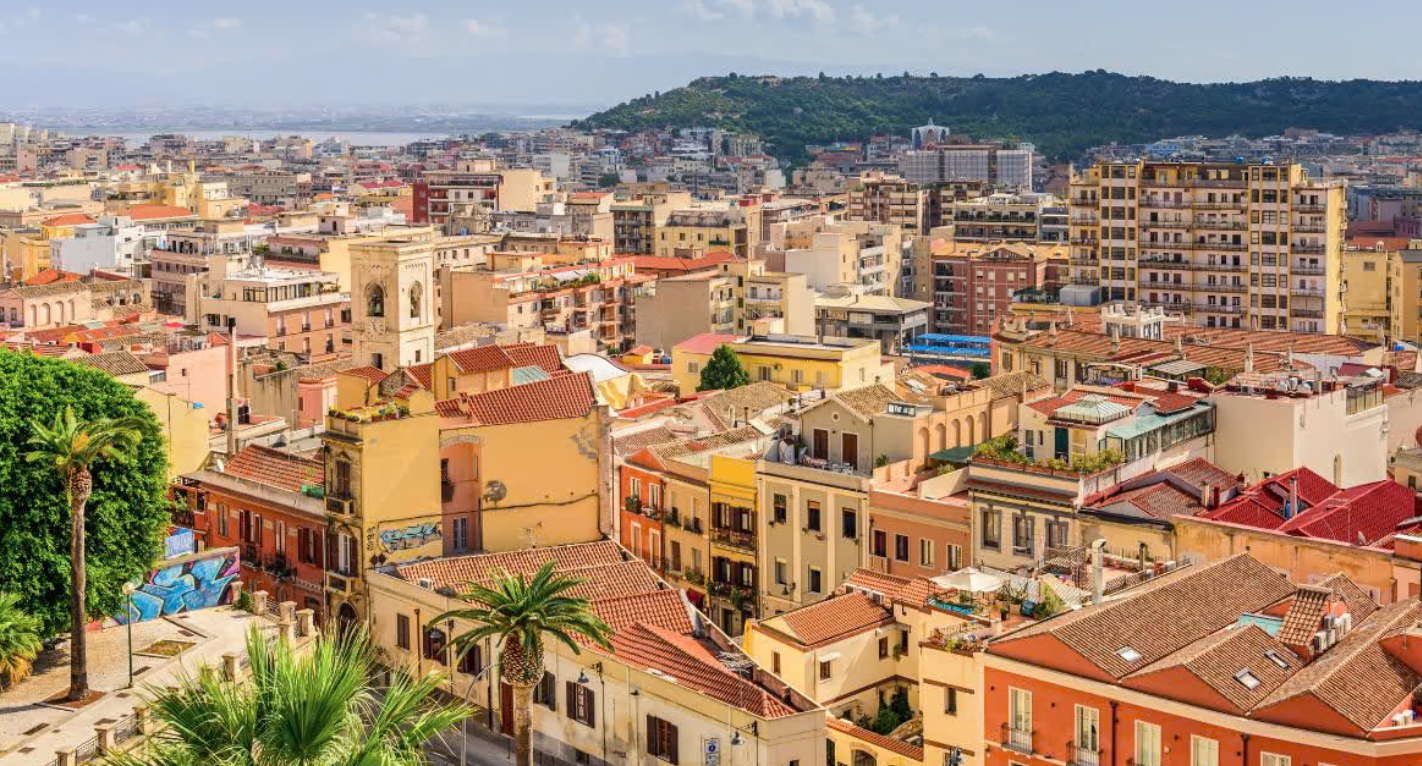
Cagliari is Sardinia’s vibrant capital, nestled across four hills and named Caralis in antiquity. Established by Phoenicians and later ruled by Carthaginians, Romans, Pisans, and Spaniards, its history stretches back over 2,500 years and includes Roman amphitheaters, Punic necropolises, and medieval Castello vistas . Its setting by the sea and near stunning wetlands makes it a merger of history, nature, and island culture—a distinctly Sardinian gem
Top Things to Do
-
Explore the Castello District – The historic hilltop quarter offers narrow alleys, the Cagliari Cathedral, panoramic terraces, and museums in the ancient city walls
-
Bastione di Saint Remy – Climb or take the elevator to scenic platforms like Terrazza Umberto I for sweeping views over the city and sea, with nearby cafés.
-
Roman Amphitheatre – Built in the 2nd century AD into the hillside, this 8–10,000-seat arena now hosts cultural events and offers dramatic views of ancient carvings and gladiator remains
-
National Archaeological Museum – Located in the Citadel of Museums, it showcases Sardinia’s history from Nuragic bronze idols to Phoenician relics, Roman ceramics, and Byzantine jewelry
-
San Benedetto Market – The largest covered food market in Italy, famous for its tiered levels of seafood stalls, cheeses, local produce, and vibrant culinary culture
-
Molentargius-Saline Regional Park – A unique coastal wetland home to pink flamingos and migratory birds. Ideal for biking or walking between city and beach landscapes
-
Poetto Beach & Sella del Diavolo – The city’s iconic 8 km sandy beach, lined with kiosks and clubs. A hike to Devil’s Saddle (Sella del Diavolo) gives panoramic views of the Gulf of Angels
-
Castle of San Michele – A 12th-century fortress atop a hill offering immersive urban-rural views and archaeological highlights
-
Teatro Lirico di Cagliari – A modern opera house with 1,600 seats, performing opera, ballet, and classical concerts in a sleek 1990s landmark building.
Eat & Drink
-
Street Food & Market Eats – At San Benedetto, try bottarga (cured roe), pane carasau (crispy flatbread), local cheeses like Fiore Sardo, and fresh seafood like tuna or swordfish
-
Local dishes – Taste culurgiones (stuffed pasta), porceddu (roast suckling pig), and seadas (cheese-filled pastries drizzled with honey or mirto), paired with crisp Vermentino wine
-
Seafood dining – Treat yourself to local catch prepared in trattorias near Marina or Largo Carlo Felice—fresh, flavorful, and authentic Sardinian ʻambianceʼ
Travel Tips
-
Best time to visit – Spring (April–June) and early autumn (Sept–Oct) offer mild weather, sea access and fewer crowds; winter remains mild (~20–24 °C) and ideal for culture and walking
-
Getting there & around – Fly into Cagliari-Elmas Airport. The historic centre is walkable; local buses or bike rentals take you to Poetto and parks. Car rental useful for day trips around Sardinia
-
Budget & expenses – Street food and market produce are excellent value. Seafood restaurants offer mid‑range pricing; luxury stays like Palazzo Doglio offer high-end dining and spa amenities if desired
-
Local etiquette – Sardinians value casual hospitality and friendly conversation. Carry cash at markets, dress modestly when visiting sacred sites, and avoid rushing—life moves leisurely here.
Where to Stay
-
Castello / Historic Centre – Ideal for walkability and views from landmark terraces. Boutique B&Bs and hotels offer immediate access to museums and dining.
-
Marina District – Lively, with restaurants and nightlife near Via Roma and Largo Carlo Felice. Excellent for food lovers and evening strolls
-
Beachside / Poetto area – Great for beach access and relaxation. Options include beachfront apartments and seaside hotels.
-
Luxury option: Palazzo Doglio, located centrally, blends classic architecture with modern amenities including spa, upscale dining and stylish design—perfect for culture and comfort seekers