Travel guide
Algiers, Algeria
Algiers, the capital of Algeria, sits majestically along the Mediterranean Sea with its distinctive whitewashed architecture and rich layers of history—from Phoenician roots to French colonial grandeur. Its iconic landmarks blend Ottoman, Moorish, and modern styles giving it the nickname the "White City."
Top Things to Do
-
La Casbah (Old City): A UNESCO World Heritage site, this labyrinthine citadel of narrow alleyways is filled with Ottoman palaces, traditional homes, and cultural institutions.
-
Martyrs’ Memorial (Maqam Echahid): Towering 92 m over Algiers, the monument symbolizes Algeria’s struggle for independence and includes a war museum.
-
Ketchaoua Mosque: Located in the heart of the Casbah, this historic Moorish‑Byzantine mosque also served as a cathedral under French rule.
-
Djamaa el Kebir (Great Mosque of Algiers): Built in 1097, it’s one of the oldest in Algeria and exemplifies Almoravid architecture.
-
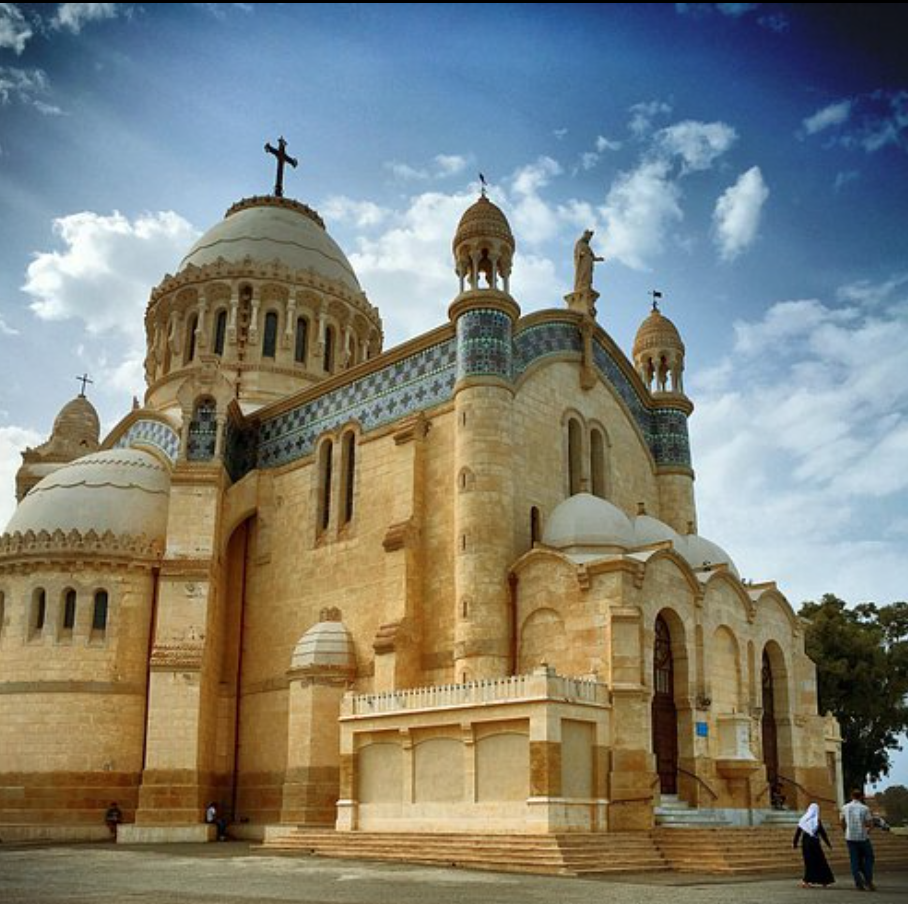
Notre‑Dame d’Afrique Basilica: Perched on a cliff overlooking the bay, this 19th-century basilica offers stunning views and hosts cultural events.
-
National Museum of Fine Arts: Home to one of Africa’s largest art collections and a rooftop with commanding views.
-
Jardin d’Essai du Hamma (Botanical Garden): One of Africa’s most beautiful gardens, perfect for a peaceful walk.
-
Additional museums include the Museum of Antiquities, Army Museum, MAMA (Modern Art), and Musée du Moudjahid.
Where to Eat & Drink
-
Café Tantonville (Place Port Said): Mediterranean‑style café with sea views; a favorite haunt of intellectuals like Camus.
-
Brasserie des Facultés: Classic colonial‑era dining with steak, couscous, local wines.
-
Le Béarnais: Hidden gem serving peppered duck and hospitality; you ring the doorbell to enter.
-
Street foods: Try couscous (the national dish), merguez sausages, mahjouba crepes, chakhchoukha stew, and sweet cookies like Tcharek Msaker.
Travel Tips
-
Getting around: The Algiers Metro and tram system are clean, fast, and reliable; bus travel is best avoided due to crowding and pickpocket risks. Ride-hailing app Heetch is a convenient and inexpensive taxi alternative.
-
Best seasons to visit: Spring (Mar–May) and autumn (Sep–Nov) offer pleasant temperatures (~20–25 °C). October is particularly quieter and beautiful.
-
Safety & etiquette: Algiers is generally safe, but avoid isolated areas at night, use registered transport, don’t display valuables, and dress modestly at religious sites.
-
Money matters: The currency is the Algerian dinar (DZD). ATMs may not accept international cards—carry cash (USD/EUR) and exchange only at official bureaux; locals often negotiate fare in cash.
-
Local customs: Bargaining is common at markets. French and Arabic are widely spoken; knowing basic French helps.
-
During Ramadan: Most cafés and restaurants remain closed during daylight hours—travel and eating can become difficult for non-Muslims.
-
Visas: A new visa-on-arrival scheme implemented since late 2023 (for some travelers/tours) makes visits easier, but check regulations in advance.
Where to Stay & Recommended Hotels
-
Hotel Suisse: Charming 1930s décor, historic ambiance in a modest setting.
-
El Djazair Hotel: A luxurious choice with a pool and stunning lobby with peacock-tile decor
-
Sofitel Algiers Hamma Garden: Top-tier international standard, situated near the botanical gardens.
-
Lamaraz Arts Hotel: Offers spectacular views of the Bay of Algiers with an artistic flair.
-
Stay near the Casbah or waterfront for easy access to major sights and dining.