
Blog
Nara, Japan: Where Sacred Deer Roam Through Time
Step into Japan’s ancient heart where bowing deer, towering temples, and quiet gardens reveal centuries of spiritual and cultural grace.
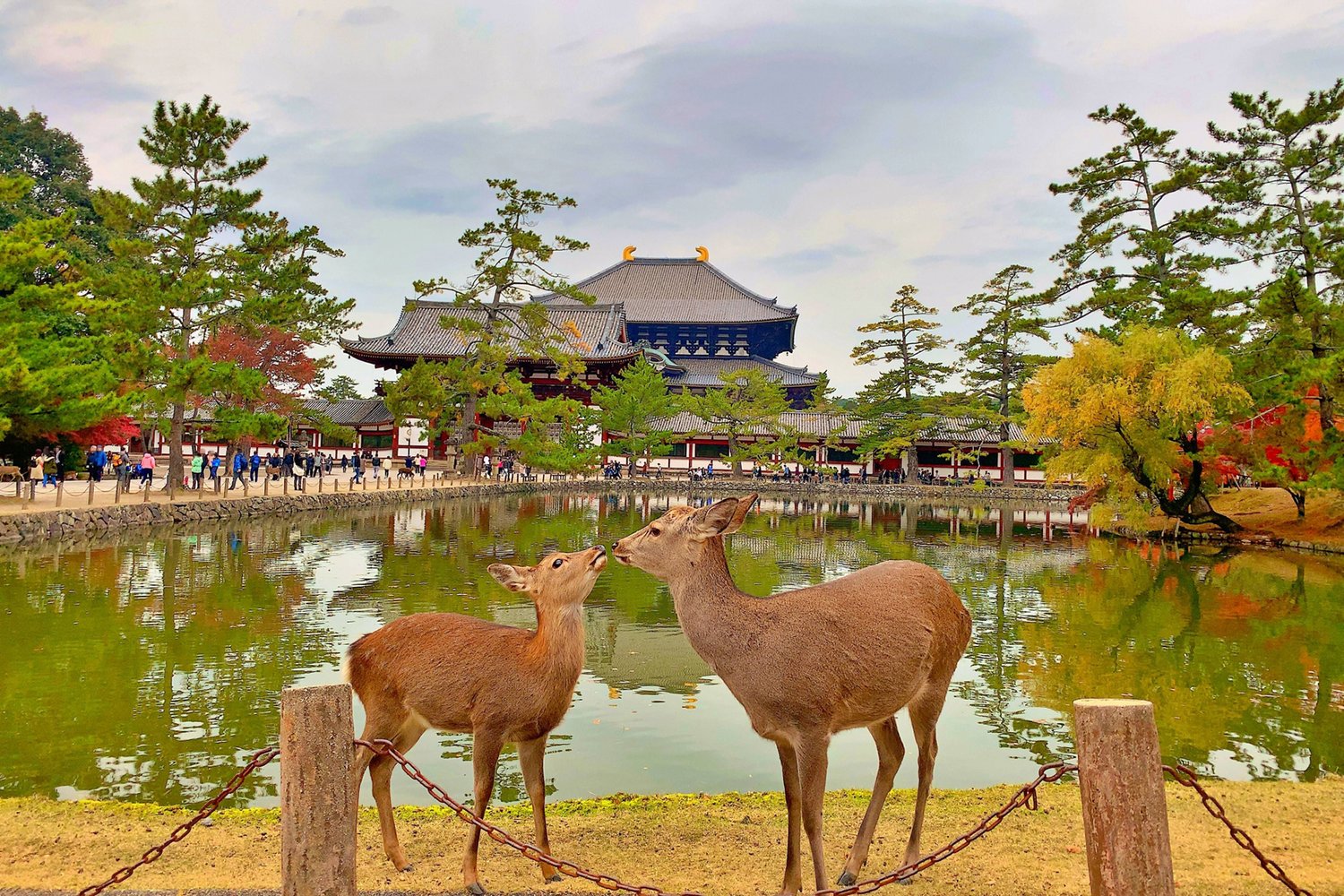
🗺️ 1. Welcome to Nara: Cradle of Japanese Culture
Before Kyoto, there was Nara—the first permanent capital of Japan, dating back to 710 AD. A city steeped in legend and calm, Nara blends spiritual heritage with natural wonder.
🌿 Just under an hour from Kyoto or Osaka, Nara is the perfect day trip—or a tranquil destination of its own.
🦌 2. The Sacred Deer of Nara Park
Nara’s most iconic residents? Over 1,200 free-roaming Sika deer who gently bow in exchange for treats.
🍘 What to Do:
-
Buy special deer crackers (shika senbei) and offer them with a respectful bow.
-
Stroll through Nara Park, where the deer graze between ancient temples and towering trees.
🦌 In Shinto belief, these deer are messengers of the gods—a sacred sight in an earthly paradise.
🏛️ 3. Todaiji Temple: The Great Buddha Awakens
No visit to Nara is complete without standing beneath the Great Buddha (Daibutsu) in Todaiji, one of Japan’s most revered temples.
🕊️ Highlights:
-
Marvel at the world’s largest bronze Buddha statue, over 15 meters tall.
-
Explore the Great Buddha Hall (Daibutsuden)—once the largest wooden building on Earth.
🏯 It's not just a temple—it's a spiritual landmark that echoes with silence and awe.
🌸 4. Kasuga Taisha: A Lantern-Lit Forest Shrine
Hidden in a cedar forest lies Kasuga Grand Shrine, adorned with over 3,000 stone and bronze lanterns.
🏮 Visit During:
-
Lantern Festivals (Setsubun in February, Obon in August)—when every lantern is lit, casting a mystical golden glow.
⛩️ This Shinto sanctuary is where nature, spirit, and art meet under leafy canopies.
🌿 5. Isuien Garden: Poetry in Green
Take a meditative pause at Isuien Garden, a harmonious landscape of koi ponds, teahouses, and borrowed scenery using Mount Wakakusa as a backdrop.
🍵 Don’t Miss:
-
A traditional tea ceremony experience.
-
The adjacent Neiraku Art Museum, filled with East Asian ceramics.
🌾 Every corner is a painting. Every view, a gentle invitation to slow down.
🍜 6. Flavors of Nara: From Tradition to Street Bites
Though quieter than Osaka or Tokyo, Nara delivers rich, authentic tastes rooted in its heritage.
🍲 Try These:
-
Kakinoha Sushi – Pressed sushi wrapped in persimmon leaves.
-
Miwa Somen – Delicate white noodles from nearby Sakurai.
-
Mochi from Nakatanidou – Watch as staff pound glutinous rice at lightning speed.
🍡 Eating in Nara is both a ritual and a reward.
🛍️ 7. Shops & Souvenirs: History You Can Take Home
Wander the quaint streets of Naramachi, the old merchant district, now filled with craft shops and cozy cafes.
🛍️ Souvenirs to Look For:
-
Deer-themed ceramics and chopsticks
-
Washi paper and incense
-
Local sake from Nara’s historic breweries
🎁 Each keepsake is a whisper of Nara’s peaceful soul.
📅 8. Best Time to Visit Nara
-
Spring (March–May): Cherry blossoms in Nara Park.
-
Autumn (October–November): Fiery foliage around temples.
-
Winter: Fewer tourists, deer in frosty serenity.
-
Summer: Warm and lush, with lantern festivals and temple events.
🌸 In every season, Nara tells a different story—quiet, vivid, and deeply rooted.
🚉 9. Getting There & Around
-
From Kyoto: 35–45 minutes by train
-
From Osaka: 40–50 minutes by Kintetsu or JR lines
-
Get around on foot or by rental bike—everything is close, calm, and scenic
🗾 The journey is easy, but the experience feels like traveling back in time.
❤️ 10. Why Nara Will Stay With You
Nara is not loud. It doesn’t beg for attention. It simply exists with elegance, inviting you into a slower, wiser Japan—where deer bow, temples breathe, and silence speaks volumes.
🦌 If Kyoto is the soul, then Nara is the whisper that shaped it.