
Travel guide
zambia
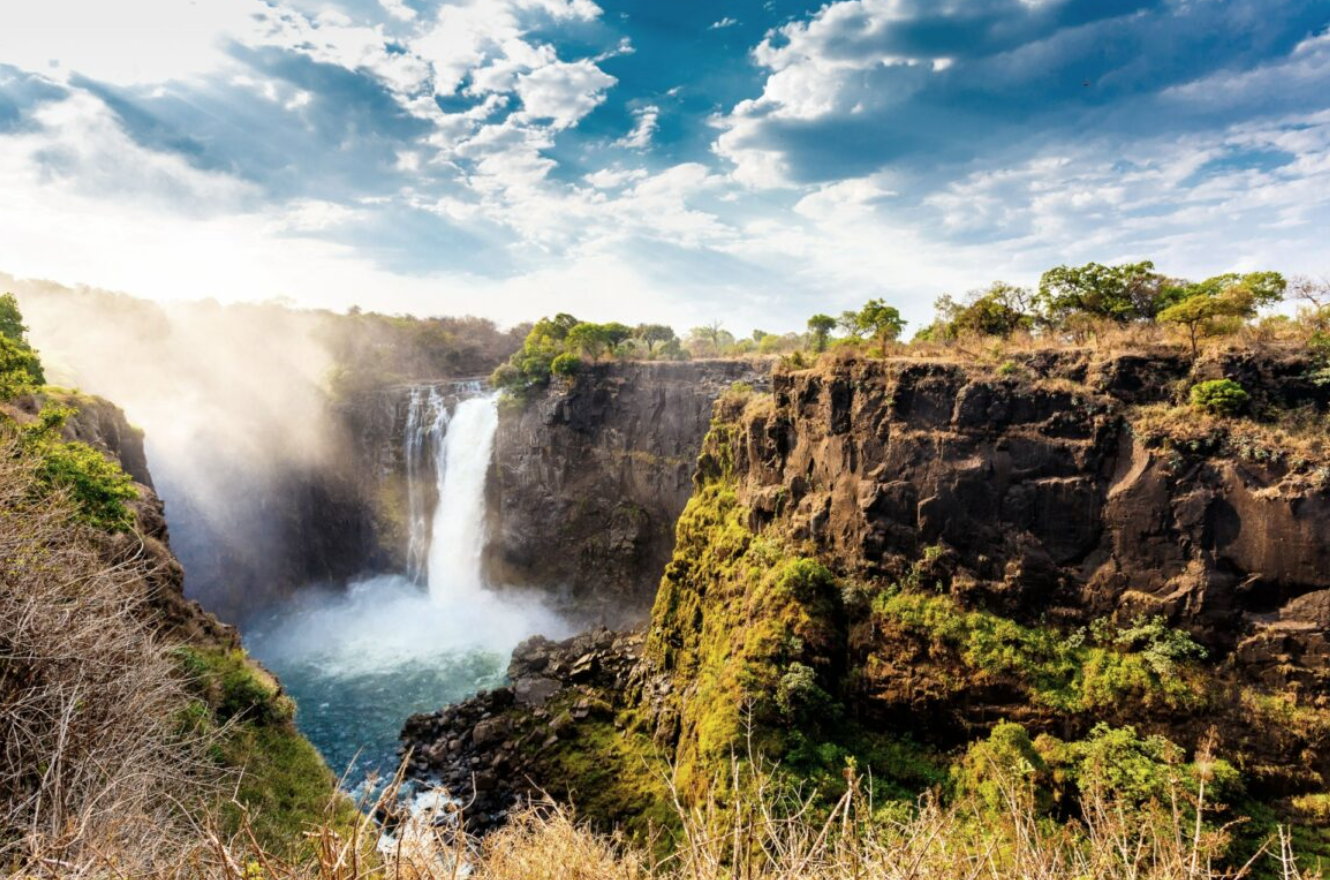
Zambia is a majestic land of rugged wilderness, abundant wildlife, cascading waterfalls, and vibrant cultures. With over 20 national parks and diverse landscapes—ranging from Victoria Falls to Miombo woodlands—it’s a destination for adventure, conservation, and cultural discovery.
Top Experiences & Places to Visit
1. Victoria Falls (Mosi‑oa‑Tunya)
Known as “The Smoke That Thunders,” the falls straddle Zambia and Zimbabwe and are one of the world’s most awe-inspiring natural wonders. Enjoy viewpoints like Knife‑Edge Bridge or dare to swim in Devil’s Pool during the dry months (Oct–Dec)
2. South Luangwa National Park
Regarded as one of Africa’s top wildlife sanctuaries and birthplace of walking safaris. Close encounters with elephants, lions, leopards, and Thornicroft giraffes in low-density safari camps
3. Kafue National Park
Zambia’s largest and oldest national park, with varied habitats—Miombo woodlands, floodplains, and the Busanga Plains. Ideal for uncrowded game drives and birding
4. Lower Zambezi National Park
Experience canoe safaris, riverbank wildlife views, and small eco-lodges. A beautiful mix of water and bush adventures on Zambia’s river frontier
5. Wildlife Migrations & Wetlands
-
Bat migration in Kasanka National Park: over 10 million fruit bats (Nov–Dec) form the largest mammal migration in the world
-
Wildebeest migration in Liuwa Plain: Africa’s second-largest migration in a pristine wilderness setting
6. Livingstone Town & Culture
Explore museums (Livingstone Museum), colonial architecture, and access the falls. Adventure sports like rafting, bungee jumping, microlight flights, and sunset river cruises await
7. Other Highlights
-
Kundalila Falls—a beautiful waterfall set in the Muchinga Escarpment area, ideal for hikes and nature walks
-
Cultural festivals & village stays—such as the Kuomboka Ceremony and Tribal Textiles workshops
Eat & Drink — Zambian Cuisine Essentials
Traditional Dishes
-
Nshima – maize porridge as a staple base.
-
Ifisashi – leafy greens in peanut sauce served with nshima
-
Chikanda – known as Zambian “polony,” made from orchid tubers and peanuts
Other local favorites include goat stew, munkoyo (fermented drink), and fried insects like ifinkubala for the adventurous foodie
Dining Etiquette
Meals are often shared and eaten with the right hand using nshima. Guests should wash hands beforehand and appreciate communal meals. Compliments to hosts are highly appreciated and reflect Zambian hospitality
Best local food spots are Lusaka’s Matebeto strip, Twapandula, and Mpoto Yatu restaurants for authentic flavors
Travel Tips & Practical Info
-
Best Time to Visit: Dry season (May–Oct) for safaris and high wildlife visibility; bat migration peaks late October–mid‑December
-
Visa Info: Visa on arrival or e‑visa available; KAZA Uni‑Visa enables multi‑entry Zambia–Zimbabwe travel from USD 50 for most nationalities
-
Health: Malaria precaution mandatory. Bring mosquito repellent, drink bottled water, and confirm vaccinations (e.g., yellow fever) before travel
-
Safety: Zambia is relatively safe with low crime rates; petty theft risks exist in Lusaka/Livingstone—stay vigilant
-
Transport: Rent a 4×4 for remote park access. Fuel is infrequent outside towns; carry cash. Many roads become impassable during rainy months
-
Responsible Tourism: Prioritize eco-lodges, support local conservation efforts, respect wildlife boundaries, and minimize plastic waste
Where to Stay
Recommended Regions & Lodges
-
South Luangwa & North Luangwa—walking safari camps (e.g., Norman Carr‑trained guides) for immersive wildlife encounters
-
Lower Zambezi—Lodges like Baines River Camp or Tongabezi offer river-front luxury combined with canoe safaris
-
Kafue—Green eco-lodges using solar power in the Busanga Plains area for solitude and photographic safaris.
-
Liuwa Plain—King Lewanika Lodge for migration viewing and local cultural immersion with Lozi guides
-
Near Lusaka—Lilayi Lodge offers accessible luxury and proximity to airport on way into bush camps
Recommended Stay: Baines River Camp / Tongabezi Lodge (Lower Zambezi)
-
Why: River-view luxury, guided canoe and walking safaris, fine dining in tranquil wilderness.
-
Ideal for: Couples, wildlife photographers, and those seeking scenic relaxation with safari adventure