
Travel guide
Zagreb
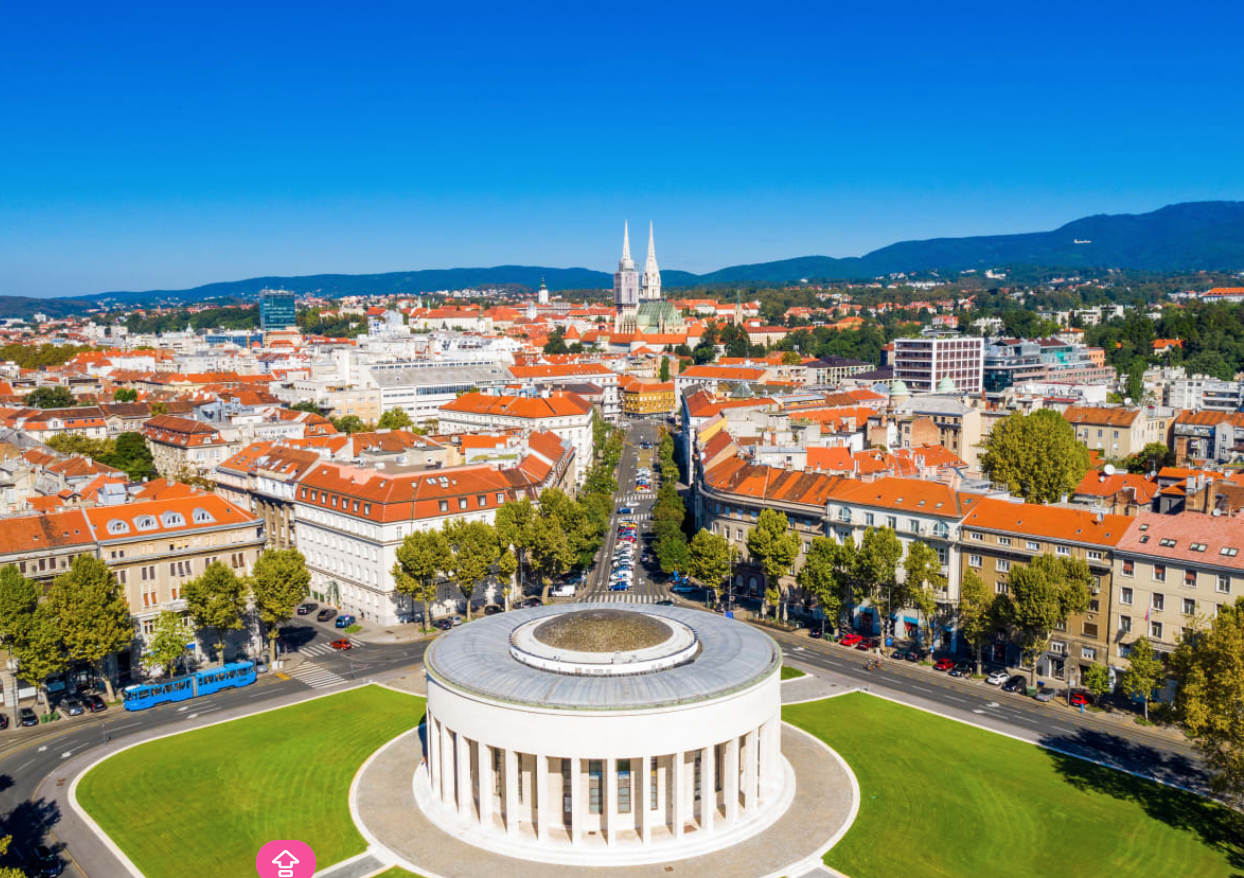
Zagreb is Croatia’s historic and cosmopolitan capital, combining medieval Upper Town charm with stately Austro‑Hungarian architecture in Lower Town. Known for its lively café culture, myriad museums, and leafy parks, the city offers both European flair and a laid-back lifestyle that locals and travelers love .
Top Things to Do
-
Explore Upper Town (Gornji Grad): Wander past the iconic Church of St. Mark with its colorful tiled roof, stroll through the peaceful Strossmayer Promenade and ascend Lotrščak Tower for panoramic views over the city .
-
St. Mark’s Church & Stone Gate: Visit the historic Gate, a sacred relic housing a holy icon, and enjoy the medieval streets of Gradec.
-
Dolac Market & Ban Jelačić Square: South of Upper Town lies Zagreb’s bustling Dolac Market, teeming with local produce. Nearby, Ban Jelačić Square serves as the lively heart of Lower Town .
-
Museum of Broken Relationships: A quirky and memorable museum filled with donated objects symbolizing lost love—set near the Stone Gate.
-
Fine Art Museums: Don’t miss the Croatian Museum of Naïve Art and the Art Pavilion aka Mestrovic Gallery, featuring works from modern Croatian greats such as Ivan Meštrović .
-
Maksimir Park & Medvednica Nature: Relax in the English‑style greens of Maksimir Park (complete with a small zoo), or hike up to Medvedgrad Castle in Medvednica Nature Park for stunning vistas and alpine trails .
-
Street Art & Hidden Gems: Seek murals in Novi Zagreb and the Kozarac area. Spot the quirky city-scale Zagreb Solar System art installations scattered around town .
Eat & Drink
-
Dolac Market & štrukli tastings: At local eateries around the market try fresh Croatian specialties like štrukli(cheese-filled pastry) and sip rakija spirits.
-
Café culture: Zagreb takes its coffee seriously. Try artisan cafés like Booksa, Program Bar, Botaničar, or Cogito Coffee in the city center .
-
Traditional & modern dining: Tkalčićeva Street is lined with ambient wine bars, tavernas serving Croatian classics (grilled meats, stuffed peppers), and vibrant fusion spots.
-
Weekend rituals: Join the locals for špica—Saturday afternoon promenades along Ilica Street, then rest up in a café with strong coffee or wine .
Where to Stay & Best Neighbourhoods
-
Upper Town (Gornji Grad) or Donji Grad (Lower Town): Historic hotels and boutique guesthouses near the Stone Gate, Cathedral, and funicular—perfect for easy walking access.
-
Other options include the lively café and art scene in Tkalčićeva Street or Botanical Garden area.
-
Budget to upscale: from charming B&Bs in the Old Town to stylish mid-range hotels near Ban Jelačić Square.
Travel Tips
-
Best time to visit:
-
Spring (April–June) or Autumn (Sept–Oct) for comfortable weather, blooming parks, and open-air events.
-
Winter offers festive Christmas markets and local traditions around the Green Horseshoe park belt .
-
-
Getting around: Zagreb is highly walkable. Reliable trams and buses serve the city; funicular connects lower and upper town.
-
Currency & language: Croatian kuna (HRK) is used; Euros are accepted only in some shops. Croatian is the official language; English is widely spoken in tourist areas.
-
Safety & local customs: Very safe city. Tipping is appreciated (5–10 %). Weekday mornings see locals flocking to špica—join the fun!