
Travel guide
São Tomé & Príncipe
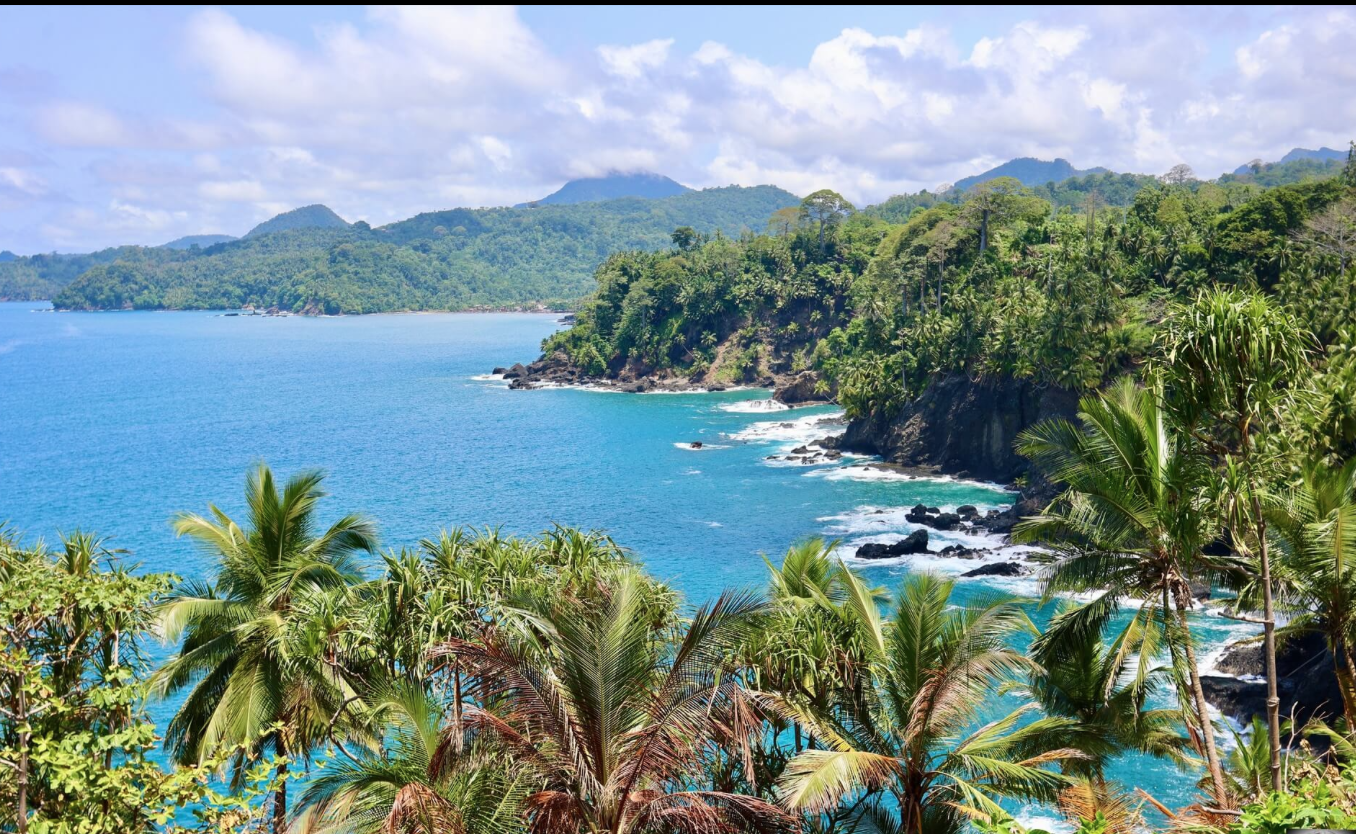
São Tomé is the volcanic heart of the island nation of São Tomé & Príncipe, situated near the Equator in the Gulf of Guinea. The capital, São Tomé City, is home to around 72,000 people in a laid-back colonial setting with pastel-hued façades, markets by Ana Chaves Bay, and the historic São Sebastião fortress.
Top Things to Do
-
São Sebastião Museum
Housed in the 16th-century fortress on Ana Chaves Bay, this museum showcases colonial history, religious art, and artifacts from the slave-trade era. Don’t miss the rooftop views over the bay. -
Obô Natural Park & Pico Cão Grande
Covering nearly 30–39% of the island, Obô Park houses dramatic rainforests, waterfalls, and endemic wildlife. The striking magma spire of Pico Cão Grande is the island’s iconic landmark. Hiking, birdwatching, and nature walks abound. -
Mount Pico de São Tomé
At 2,024 m this is the island's highest peak. A challenging trek through cloud forest rewarded by panoramic vistas and rare orchids. Recommended for experienced hikers. -
Visit Rolas Island — Stand on the Equator
Just a short boat trip from the south coast, this island has an equatorial marker and beachside charm. Stand with one foot in each hemisphere at its monument—plus enjoy swimming and island cuisine. -
Turtle Watching
Beaches like Micolo and Morro Peixe host nesting turtles from November to March. Join guided turtle patrols and conservation efforts with local rangers. -
Chocolate & Cocoa Plantation Tours
Visit former colonial roças such as Roça Sundy or Agostinho Neto to taste bean-to-bar chocolate and coffee. Workshops at CECAQ‑11 allow hands-on experience making chocolate with local artisans. -
Explore São Tomé Town & Mercado Grande
Wander the busy streets and local markets full of African-print fabrics, fresh fruit, spice stalls, crafts, and street art. The city is perfect for photography and daily-life immersion.
Eat & Drink – Local Recipes & Delicacies
-
Enjoy calulu (smoked fish stew with tomato and okra), barriga de peixe (grilled fish with manioc), cachupa, banana pap, and sweet corn rice pudding with coconut. Meals feature tropical fruits like jackfruit, mango, avocado, and spices like grains of paradise.
-
Local drinks: Try Rio Rosema beer, palm wine, aquardente, gravana rum, plus coffee-based cocktails and local juices.
Where to Stay
-
São Tomé City & Surroundings: Mid-range hotels near the market area or waterfront offer easy access to culture and dining. Eg. small guesthouses or roça‑converted lodges.
-
Bom Bom Island: A Robinson‑style resort on Príncipe offering rustic wooden bungalows between beaches and forest (rooms from £360).
-
Praia Sundy & Roça Sundy (Príncipe): Luxury tented camp and boutique plantation lodge with spa and garden dining (rooms from ~€550–650; plantation house ~€190). Great for eco and heritage stays.
Travel Tips & Insight
-
Best time to go: April–October offers dry weather and clear seas. Whale season runs July–October; turtle nesting from November–March.
-
Getting there & between islands: Flights to São Tomé arrive via Portugal, Angola, Ghana. STP Airways flies between islands. Boats can be irregular, best avoided.
-
Wildlife & biodiversity: Over 230 endemic bird species; marine life includes dolphins, whales, turtles. Endemic mammals and flora abound in Obô Park. São Tomé is dubbed “Africa’s Galapagos.”
-
History & culture: Colonial plantations, sugar and cocoa economy, slave trade history is being actively explored via archaeological sites like Praia Melão. Traditional Tchiloli theatre merges Portuguese-tragedy and African performance.
-
Local philosophy: Embrace the “leve‑leve” pace—relaxed and slow lifestyle, ideal for unwinding. Portuguese is official language; Creole widely spoken.