
Travel guide
Roseau,Dominica
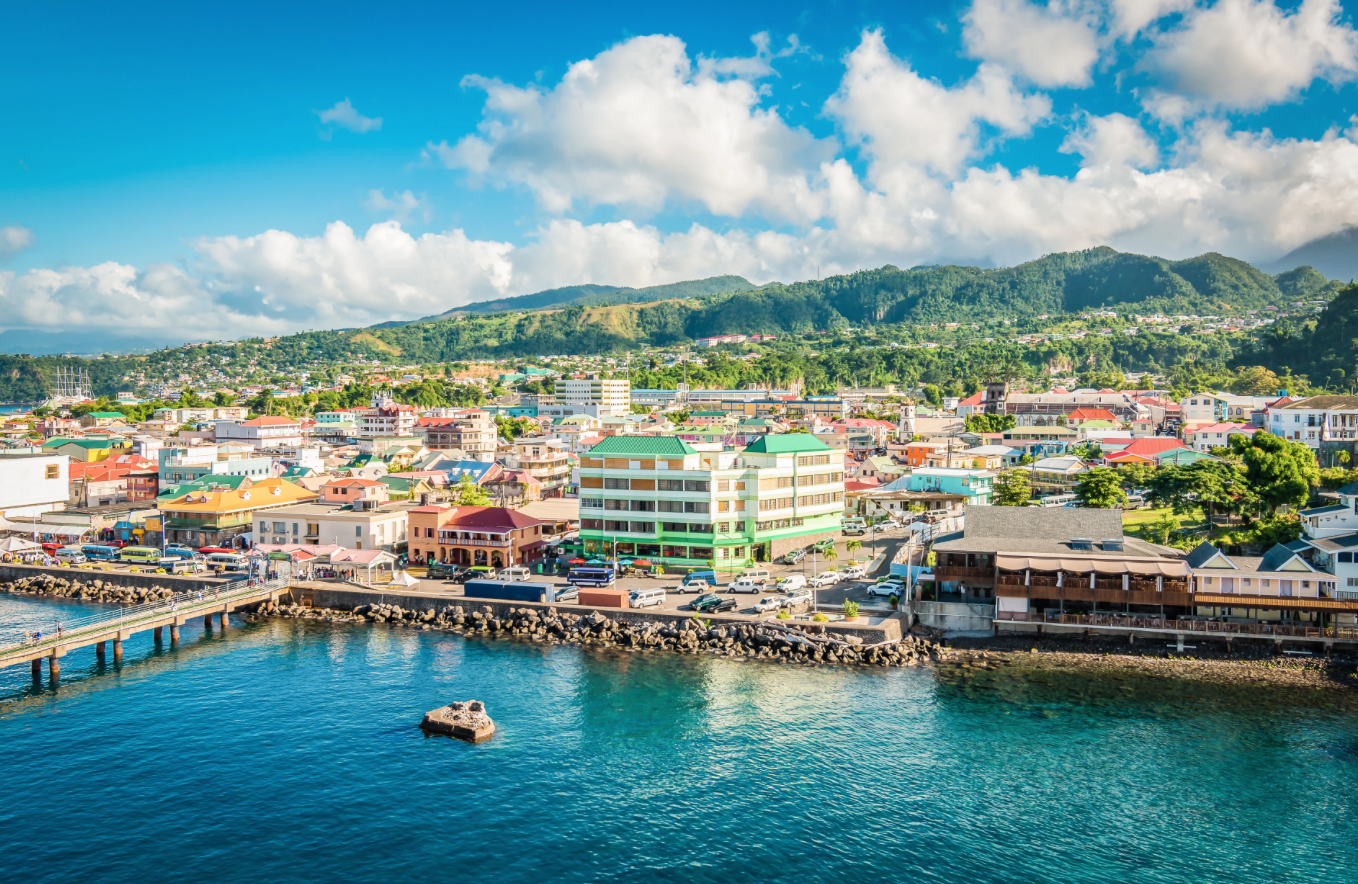
Roseau, the vibrant capital of Dominica, sits on the southwest coast at the mouth of the Roseau River and beneath forested hills like Morne Bruce . Founded by the French as Charlotte Town and later rebuilt by the British after multiple fires and hurricanes, its compact size (approx. 14,700 residents) makes it ideal to explore on foot . The city serves as Dominica’s primary port for exports such as limes, bay oil, vegetables, and cocoa, while key landmarks include the Roman Catholic cathedral, St George’s Anglican Church, Government House, and the Victoria Memorial Museum .
Top Things to Do
-
Morne Bruce
A short but steep hike up this hill provides panoramic views of Roseau, the harbour, and surrounding mountains—an excellent orientation point for new visitors . -
Old Market Square & Roseau Public Market
Once the site of the original slave market, today this area buzzes with craft stalls, local produce, exotic tropical fruits, spices, and herbs—especially lively on weekends . -
Dominica Museum & Government House
Located in the Old Post Office building, the museum offers a compact but engaging look at island history, culture, and natural heritage . -
Dominica Botanical Gardens
Located next to Morne Bruce, these colonial-era gardens display tropical plantings, shaded benches, and symbolic remnants from the 1979 hurricane—including a tree that fell on a school bus . -
Saint George Anglican Church & Cathedral of Our Lady of Fair Haven
Roseau’s historic cathedrals showcase colonial-era architecture and religious heritage located near the waterfront . -
Day trips: Morne Trois Pitons National Park
A UNESCO World Heritage Site about 8 km away, home to rainforest trails, Emerald Pool, Middleham Falls and Boiling Lake—Dominica’s top natural attraction .
Eat & Drink
-
Local cuisine & street food: Sample grilled fish, fried breadfruit, mountain chicken (frogs), and callaloo soup at riverbank stalls and the Old Market.
-
Local cafés & bars: Try local juices like lime and guava, creole stews, and spices. The waterfront area has relaxing spots favored by locals and cruise visitors.
-
Dining around Roseau: While upscale dining is limited, nearby lodges and hotels offer fresh seafood, Creole flavors, and Caribbean fusion menus.
Where to Stay & Recommendations
-
Central Roseau: Best for walking access to markets, gardens, cathedrals, and the waterfront.
-
Nearby natural lodges: Staying just outside Roseau in eco-lodges or guesthouses gives you access to serene nature, rainforest escapades, and tours to national parks.
-
Recommended stays: Look for lodges that offer inclusions like breakfast, guided hikes, or spa access; advance booking is advised, especially during cruise ship arrivals.
Travel Tips
-
Best time to visit: December to May during Dominica’s dry season—ideal for clear skies, hikes, and natural attractions. Avoid hurricane season (June to November).
-
Currency & language: Eastern Caribbean Dollar (XCD) is standard; USD accepted at many lodges. English is official, with Dominican Creole widely spoken.
-
Getting around: Roseau is compact and walkable. Day tours via local operators or taxis are needed for attractions outside town.
-
Safety & culture: Dominica is considered very safe. Travelers should take usual care in crowded market areas. Respect cultural norms, and be cautious of fast-moving tropical rains in jungle areas.