Travel guide
N’Djamena
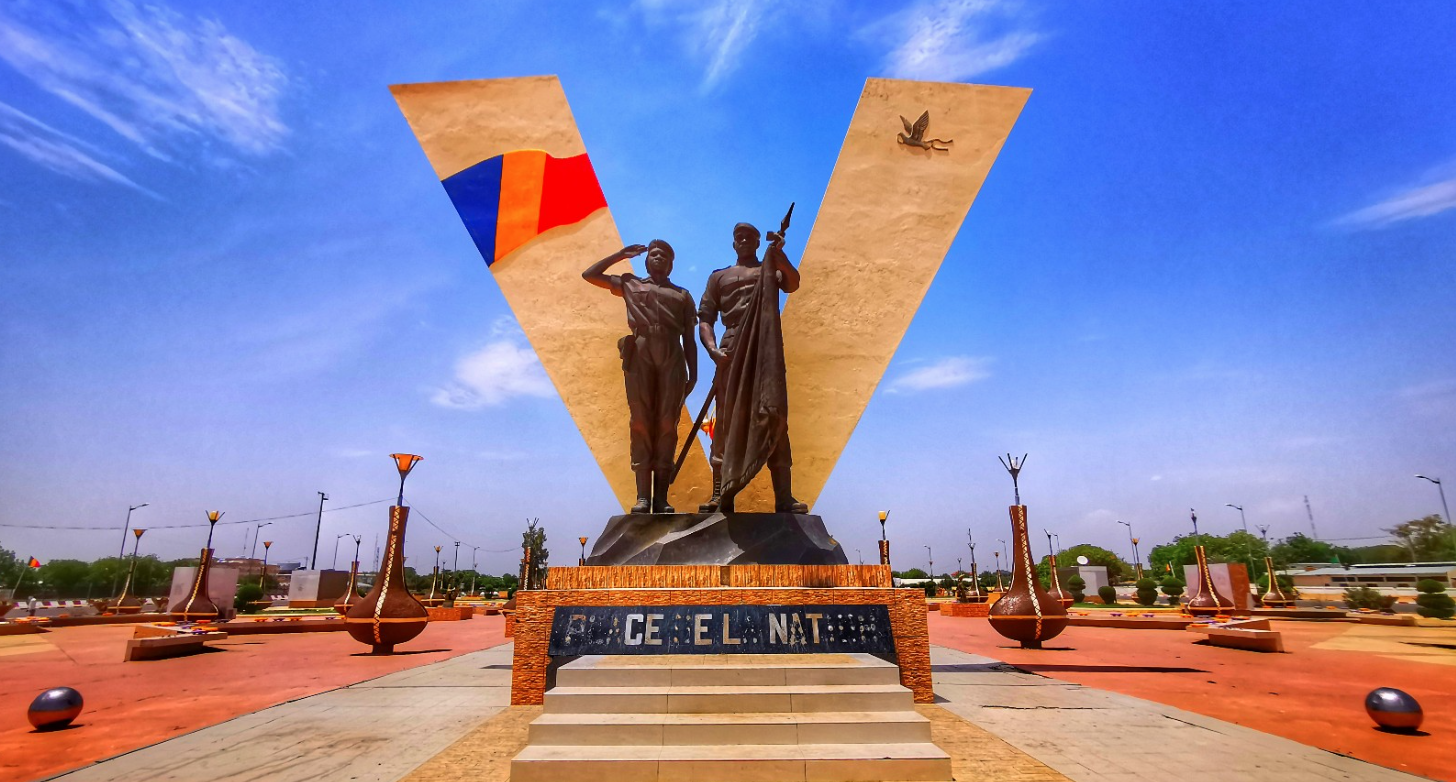
N’Djamena (formerly Fort‑Lamy) lies at the confluence of the Chari and Logone rivers, melding Sahelian heat with riverfront life, French colonial heritage, and Chadian diversity. It has evolved into Chad’s political, cultural and commercial hub
Top Things to Do
-
Chad National Museum (Musée National du Tchad): With displays of paleontology, traditional crafts, musical instruments, and ethnographic objects, it is a key introduction to Chad’s ancient civilizations and cultural mosaic
-
Grand Mosque of N’Djamena: A striking architectural landmark on Avenue Charles de Gaulle, ideal for appreciating Islamic design—dress modestly and respect local customs .
-
Our Lady of Peace Cathedral: Built in 1965, destroyed during conflict, rebuilt in the 1980s—it embodies resilience and has French colonial elegance within a modern context
-
Avenue Charles de Gaulle: The city’s main thoroughfare lined with colonial-era buildings, embassies, shops, cafes, and the lively Grand Marché (central market) at its heart
-
Place de la Nation & Central Market (Grande Marché): Bustling square full of local activity, where you can buy crafts, fabrics, spices, and street food—perfect for people-watching and bargaining adventures .
-
Chari River waterfront: A tranquil escape—watch fishermen at work, stroll along the riverbank or take a sunset boat ride among tied-boat “living bridges” & birdlife
-
Day Trips: Head outside the city to Gaoui village for colorful traditional pottery workshops, or to Zakouma National Park for wildlife safaris including elephants and giraffes (multi-day tour)
Eat & Drink
Local cuisine centers around simple and hearty dishes:
-
Brochettes – grilled skewered meat (often goat or lamb) fresh off street-side charcoal
-
Dégué – millet porridge with yogurt
-
Saloum‑saloum – spicy sauces with okra or peanuts
-
Boule – dense millet dough served with sauce
These are best enjoyed at market stalls or small local eateries around the Grand Marché and Avenue Charles de Gaulle area
Travel Tips
-
Best Time to Visit: Dry season from November to March, with cooler evenings (20–30 °C) and lower humidity—ideal for sightseeing. Wet season (May–Sept) brings heavy rains, dust storms and limited rural access
-
Visa & Entry: Most travellers require a visa—available at embassy or on arrival. Yellow fever certificate may be mandatory. Chad uses Central African CFA franc (XAF); cash is essential as cards are rarely accepted
-
Getting Around: Taxis ($15–25 from airport) are most common; local minibuses are cheaper but more rustic. Hotel arrangements or pre-booked shared transfers recommended for airport run .
-
Safety & Health: Exercise high caution—Chad presents elevated travel risk. Avoid deserted streets at night, monitor health advisories, remain hydrated and plan wisely.
Where to Stay & Recommended Accommodation
-
Radisson Blu Hotel N'Djamena: Upscale international-standard option with garden, safety, meals included—rooms roughly $40–60/night
-
Le Meridien N’Djamena: Located near central attractions, offering comfort amid urban bustle and embassy zone convenience
-
Boutique lodgings near Grand Marché or Charles de Gaulle: Offer immersive local ambiance though fewer amenities; suited to adventurous travelers.
Recommended Stay: For safety, convenience, and comfort in an uncertain environment, Radisson Blu is an excellent choice—with cultural services and central location.