
Travel guide
Martinique
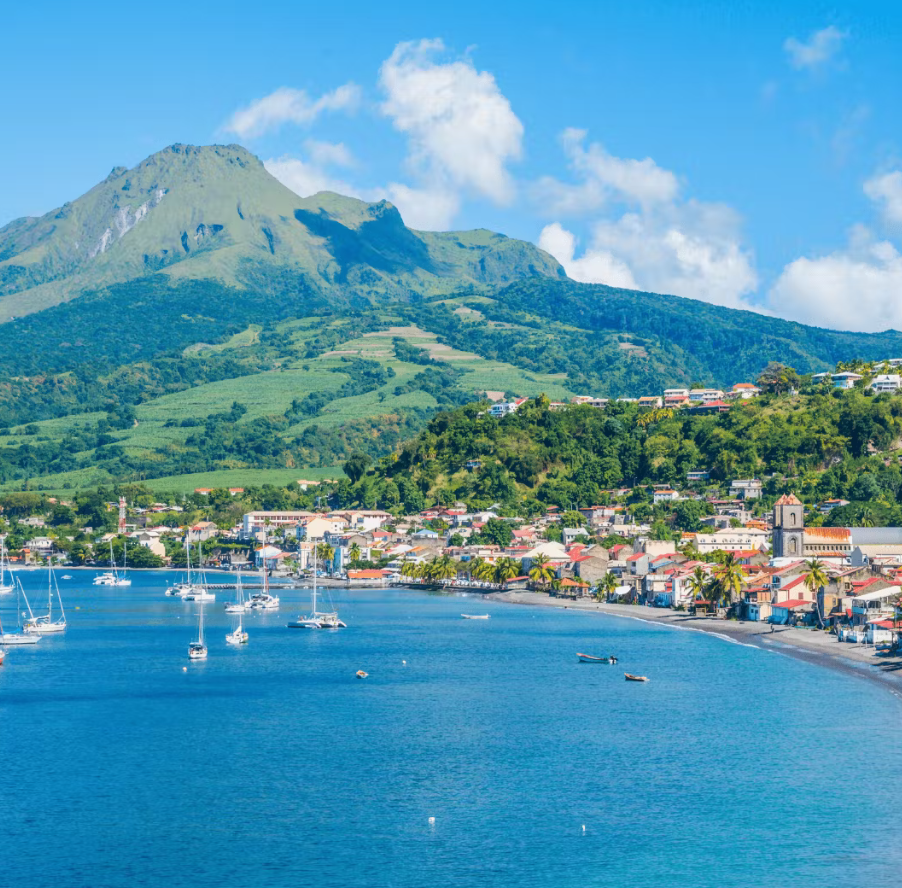
Martinique blends lush rainforests, volcanic peaks, and idyllic beaches with elegant French-Caribbean culture. Rising to over 50% protected as National Park, it showcases its natural beauty and cultural vitality in towns like Fort‑de‑France and Saint‑Pierre.
Top Things to Do
1. Mount Pelée & Carbet Mountains
Hike Mount Pelée (1,397 m)—a dormant volcano overlooking Saint‑Pierre with rich volcanic history and panoramic views. Nearby Carbet Peaks offer rainforest trails and primeval biodiversity. Both areas now on UNESCO's World Heritage list.
2. Beaches & Coastal Sights
-
Grande Anse des Salines: iconic white sand, palm-fringed bay ideal for sunbathing and kayaking.
-
Anse Couleuvre: remote volcanic black-sand beach with waterfall backdrop, perfect for adventure and solitude.
3. Cultural & Historical Attractions
-
Fort‑de‑France & Fort Saint Louis: Explore the imperial fortress of Fort Saint Louis and nearby St. Louis Cathedral, known as the "Iron Cathedral."
-
Saint‑Pierre: explore ruins of old “Little Paris” destroyed in 1902, visit volcanic museum or dive shipwrecks offshore.
-
Paul Gauguin Interpretation Centre in Le Carbet showcases Gauguin’s time on the island and regional art heritage
4. Rum Distilleries & Gardens
Tour Habitation Clément, housed in a 17th-century Creole mansion, wander its botanical gardens, and sample AOC-pedigree agricole rum. Nearby, Fondation Clément features modern Caribbean art.
5. Carnival & Live Culture
Visit during Martinique Carnival (February–March) for vibrant parades. Enjoy biguine music, Creole dance, and colorful street life in Fort‑de‑France.
Eat & Drink
-
Try ti’ punch, Martinique’s signature rum cocktail, made with cane sugar and lime.
-
Sample local Creole dishes: cod fritters (accras), blood sausage (boudin créole), octopus fricassee, banana-based specialities, and coconut cake.
-
Dine at The Yellow in Fort‑de‑France for French-Caribbean cuisine with local produce and modern flair.
Travel Tips
-
Best Time to Visit: Dry season December–mid‑April for optimal weather and calm seas
-
Getting Around: Car rental is preferred. Public buses are minivan‑style and unreliable; taxis are expensive. Ferries link Fort‑de‑France to Pointe du Bout.
-
Language & Currency: French is official—English is occasionally spoken. Use euros; credit cards accepted widely, though cash useful in street markets.
-
Safety & Health: Hold a valid driver’s license if renting a car, and always wear seatbelts. Use sunscreen and insect repellent—rainforest areas can be humid and muggy.
Where to Stay & Recommendations
Suggested Regions & Stays
-
Fort‑de‑France: Central and cultural hub; stay at Simon Hotel for chic marina views near local markets.
-
Les Trois‑Îlets / Sainte‑Anne: Southern beaches and seafood dining; try La Suite Villa or beachfront Cap’Est Lagoon Resort & Spa.