Travel guide
Malabo, Equatorial Guinea
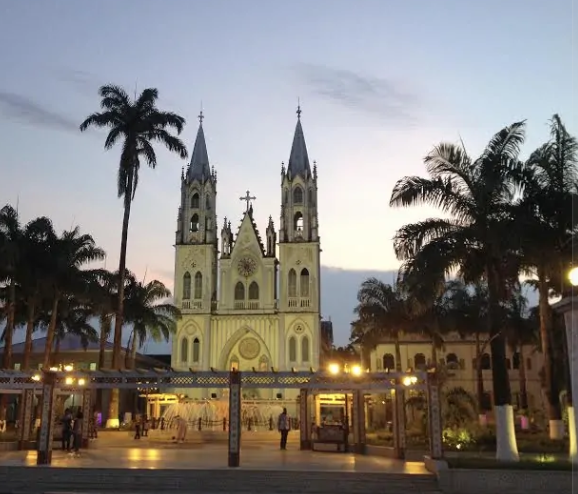
Malabo is the capital and commercial centre of Equatorial Guinea, located on the northern coast of Bioko Island, perched on the rim of a dormant volcanic crater beneath Venus Bay. Founded in 1827 by the British as Port Clarence, it later became Santa Isabel under Spanish rule before adopting its current Spanish-based name. Today, the city serves as the country's political and financial hub, known for its deep-water port and tropical climate with high rainfall year-round .
Top Things to Do
-
Stroll the Avenue de la Marina & Presidential Boulevard: Enjoy coastal views, government buildings, embassies, and public parks framed by tropical foliage and colonial-era architecture .
-
Explore the port and waterfront: Watch cargo ships dock and locals gather at the harbourfront—capturing an authentic slice of city life.
-
Visit the Cathedral of Santa Isabel: The current cathedral stands near the original colonial church and reflects Spanish architectural heritage.
-
Bioko Island excursions:
-
Moka Forest Reserve and Peak Bioko, reachable by organized day trips—rich in rainforest wildlife and volcanic scenery.
-
Corisco or Sipopo beaches: White-sand locales known for tropical relaxation and marine views .
-
-
Due to limited public tourist infrastructure, most nature tours and island access require advance booking or local operator arrangements.
Eat & Drink
-
Local eateries & markets: Sample African–Spanish fusion dishes—grilled fish, rice stews, spicy peanut chicken, plantains. Street vendors near markets and the waterfront offer fresh local fare.
-
Hotel restaurants & cafés: High-end hotels typically serve Mediterranean dishes, seafood, and international menus, with a mix of Spanish, French, and African influences.
-
Beverages: Local beers and palm wine are common, though imported beers are served in upscale venues. Make sure to carry local currency (CFA Franc or coins).
Where to Stay & Recommendations
Accommodation options in Malabo are modest and limited:
-
Hotel Sofitel Malabo Sipopo Le Golf: One of the few upscale international-standard resorts just outside the city—beach access, golf, spa, high-end dining.
-
Within town, small hotels and guesthouses cater primarily to business travelers and officials. Choose centrally located ones near the port or main avenues for convenience.
-
Booking Tip: Advance reservations are essential; many options fill up during government events or regional conferences.
Travel Tips
-
Best time to visit:
-
The climate is tropical and rainy year‑round, with heavy rainfall most months but slightly drier windows around December–February. Average annual rainfall reaches ~1,900 mm and average temperature ~25 °C .
-
-
Language & currency:
-
Official language is Spanish, with French and local Bantu languages also spoken. English is uncommon.
-
Currency: Central African CFA Franc (XAF). ATMs exist but carry cash—smaller notes—for markets and taxis.
-
-
Transport & safety:
-
Public transportation is minimal. Taxis are available but fares should be negotiated upfront.
-
Petty crime exists—avoid walking after dark in unlit areas, don’t flash valuables, and stay alert in crowded spots .
-
Always carry ID: internal checkpoints or police stops may require it, especially when traveling outside Malabo.
-
-
Permits & access:
-
Many nature areas and islands require travel permits or arrangements through the tourism ministry or registered guides.
-
Independent car rental is discouraged; arrange guided transport through your hotel or official operator.
-
-
Cultural notes:
-
Equatorial Guinea is politically sensitive. Avoid public commentary on government or protests. Photography of official buildings may be restricted.
-