
Travel guide
Luhansk
Travel & Safety Note
Since 2014, Luhansk has been under control of the Russian-backed self-declared Luhansk People’s Republic and has seen ongoing conflict. The city is not accessible to tourists, infrastructure and historic sites have been severely damaged or destroyed, and travel is strongly discouraged.
Historical Overview
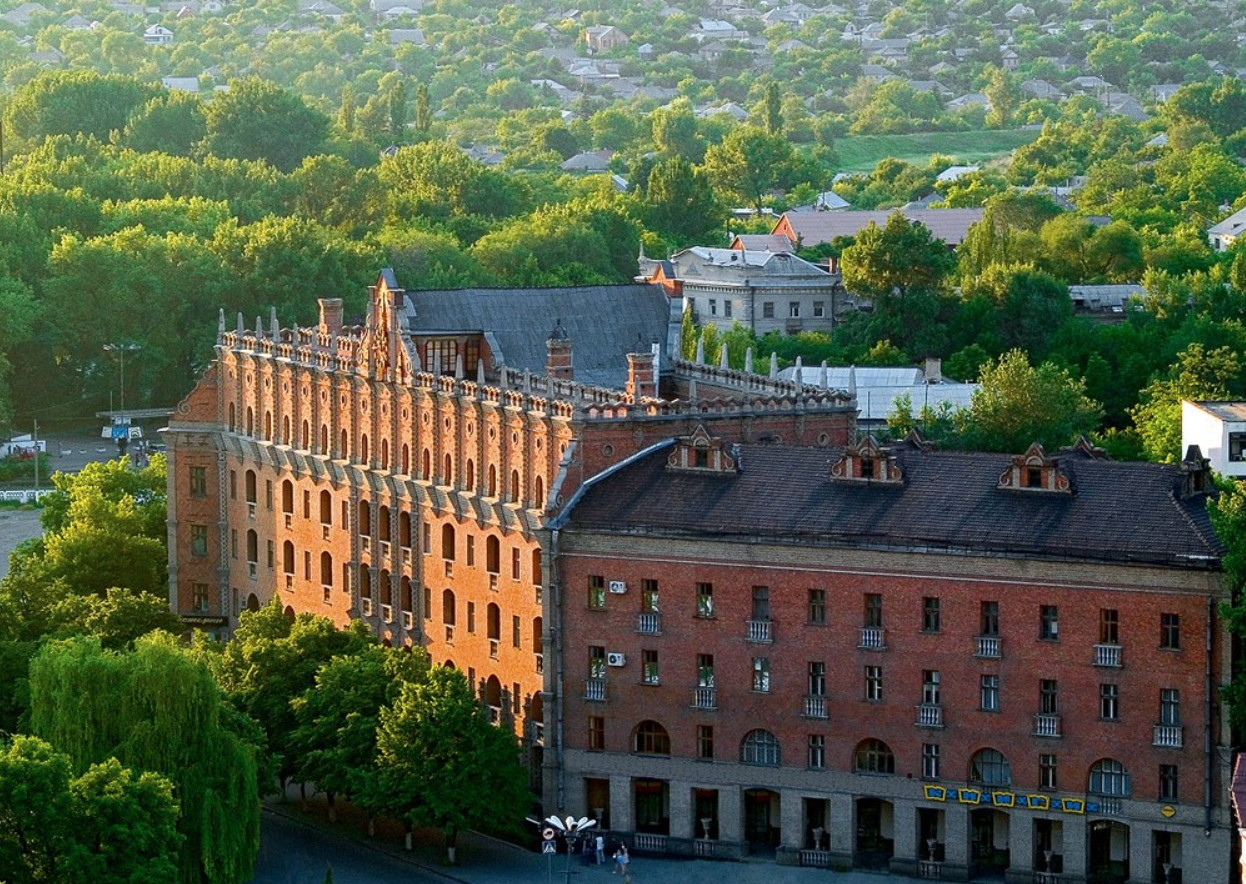
Originally founded around a cannon-making settlement in 1795, Luhansk (also known as Lugansk or Voroshylovgrad during Soviet times) evolved into a major industrial and cultural hub centered around metallurgy, railroads, and mining. It once featured lush parks, universities, theaters, and museums.
Pre-Conflict Attractions
Before 2014, the city offered:
-
Museum of History and Culture in an elegant late-19th-century municipal building—home to 50,000 artifacts and a 12,000-book library, destroyed by shelling in 2014.
-
Parks and Gardens: including Sheffield Park, Shcherbakov Park, and the Donetsk Botanical Garden—cherished green oases by the Kalmius River.
-
Art and History Museums, Donbass Arena, Train Museum, planetarium and theaters, as well as public monuments honoring the Red Army, sports icons, and industrial founders.
Current Reality
| Feature | Status |
|---|---|
| City access | Restricted; under occupation |
| Tourism services | Discontinued |
| Historic sites | Many destroyed or inaccessible |
| Safety status | Active conflict zone, not safe for civilians |
Understanding Luhansk's Present
-
The seat of the Luhansk People’s Republic since 2014 and effectively inaccessible to foreigners
-
Urban infrastructure has been decimated by shelling, relocation, and conflict, overwhelming museums, institutes, and cultural spaces.
-
Mass displacements, population loss, and cultural erosion are ongoing.