Travel guide
Lima
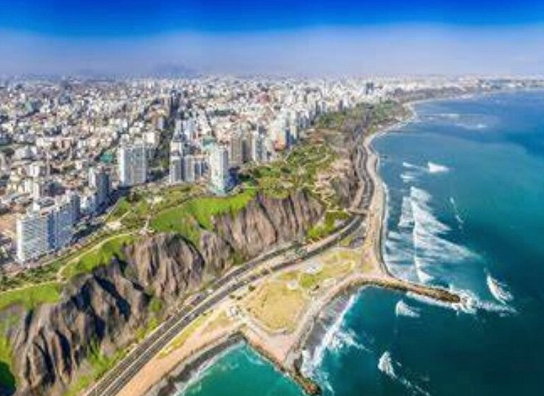
Lima, Peru’s coastal capital founded in 1535, seamlessly blends colonial charm, cosmopolitan districts, and breathtaking Pacific views. Recognized for its cultural diversity and status as Latin America’s culinary powerhouse, Lima is rich in history, art, and food culture. The historic center is a UNESCO World Heritage Site, and over 200 archaeological sites (huacas) reveal its ancient past
Top Things to Do
-
Plaza Mayor (Plaza de Armas) – The historic center surrounded by the Presidential Palace, Cathedral, and Archbishop’s Palace. It marks where Peru’s independence was proclaimed in 1821
-
San Francisco Church & Convent – Famous for its Baroque architecture, catacombs with ~25,000 remains, and historic library
-
Larco Museum – World-class archaeological museum housed in a colonial mansion, showcasing 5,000 years of pre-Columbian art, including erotic pottery galleries and tranquil gardens
-
Magic Water Circuit (Circuito Mágico del Agua) – The largest fountain complex globally, with colorful lights, music, and interactive fountains in Parque de la Reserva
-
Miraflores Malecón & Parque del Amor – Scenic cliff-top promenade with ocean views and the romantic mosaic-filled Love Park featuring “El Beso” sculpture I
-
Barranco District – Lima’s artsy, bohemian neighborhood filled with street art, galleries, live music venues, and the “Bridge of Sighs” promenade
-
Huaca Pucllana – Pre-Inca adobe pyramid in Miraflores with on-site museum and restaurant overlooking the ancient ruins
-
Pachacamac Archaeological Site – Sacred Inca-era temple complex about 34 km south of Lima with multiple temples and museums
Eat & Drink
Lima is internationally acclaimed as the gastronomic capital of Latin America:
-
Ceviche – Peru’s national dish; top spots include La Mar in Miraflores
-
Top Restaurants:
-
Central (Barranco)—Chef Virgilio Martínez’s award-winning flagship, #1 in The World’s 50 Best Restaurants in 2023 .
-
Maido, Astrid y Gastón, Amaz, DonDoh—creative fusion, Nikkei and Amazonian cuisine from renowned chefs
-
-
Street Eats & Traditional Snacks:
-
Picarones (fried sweet potato doughnuts) at Parque Kennedy.
-
Causa, anticuchos, lomo saltado from market vendors and local stalls
-
-
Drinks:
-
Pisco Sour—Peru’s iconic cocktail.
-
Chicha Morada (purple corn drink), algarrobina, Inca Kola—available at local cafés and bars like Gran Hotel Bolívar, El Bodegón, and Ayahuasca Lounge in Barranco
-
Travel Tips
-
Getting There & Around – Fly into Jorge Chávez International Airport. Use Uber/Bolt, taxis, or public transit; avoid unofficial taxis. Lima’s districts are walkable, especially in Miraflores and Barranco
-
Safety – Exercise general caution in crowded tourist zones; keep valuables secure. Scams may occur in nightlife or market areas
-
Best Time to Visit – Spring to autumn (May–October) offers milder, sunny weather. Lima’s winter (June–August) features coastal mist ("garúa")
-
Money & Etiquette – Currency is Peruvian sol (PEN). Cards accepted widely; small cash helpful for markets and small vendors. Learn greetings in Spanish for a nicer reception
Where to Stay & Recommended Areas
Suggested Neighborhoods:
-
Miraflores – Safe, coastal district with ocean views, parks, great dining and shops.
-
Barranco – Boohemian chic with artistic energy, nightlife, and local charm.
-
San Isidro – Upscale business district with leafy parks and gourmet restaurants.
Recommended Hotels:
-
Boutique hotels in Barranco or Miraflores near art galleries and restaurants.
-
Luxury stays or central hotels near Larcomar, Parque del Amor, and the Malecón.