Travel guide
Khartoum, Sudan
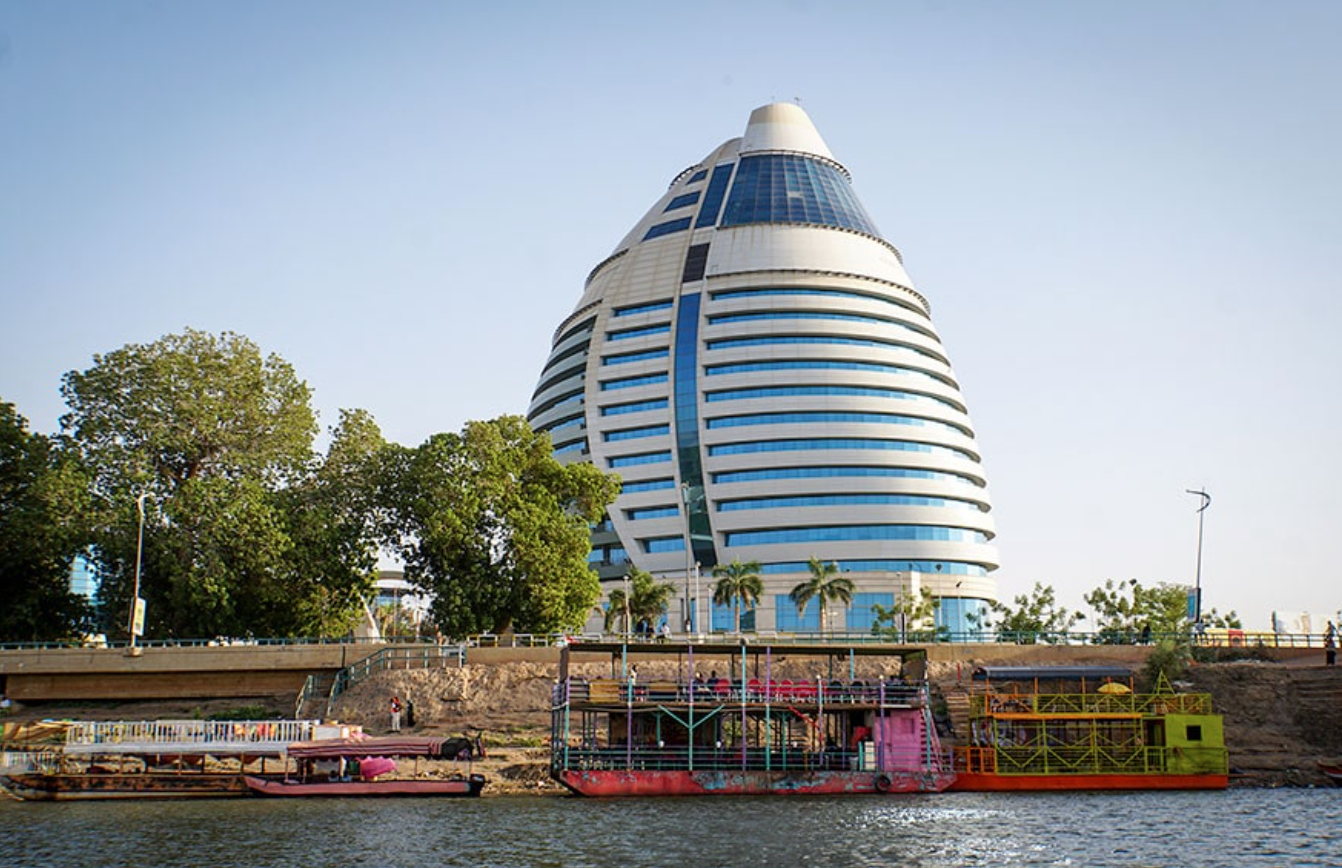
Khartoum, the capital of Sudan, sits majestically at the confluence of the Blue and White Nile rivers. A cosmopolitan capital blending colonial grid planning with modern developments, it forms a metropolitan trio alongside Omdurman and Khartoum North. Once established in 1821 by Muhammad Ali Pasha, the city reflects ancient and modern Sudanese heritage as the political and economic heart of the nation.
Top Things to Do
Nile Confluence (Al‑Mogran)
Witness the striking union of Blue and White Nile—captivating at sunset with riverside cafes, panoramic views, and photo op moments.
Sudan National Museum
Explore Sudan’s rich history—from Nubian kingdoms to Meroë pyramids—displayed through archaeological finds and temple reconstructions along Nile Avenue.
Omdurman Souq (Souq al Arabi)
One of Africa’s largest open-air markets: stalls brimming with spices, textiles, handicrafts, and street foods. Perfect for immersive cultural wandering and bargaining fun.
Sufi Dervish Ceremony at Omdurman
Every Friday, experience mesmerizing Sufi chanting and whirling at Hamid El-Nil Mosque—a powerful spiritual performance open to onlookers.
Tuti Island
A peaceful green retreat at the Nile’s fork, ideal for strolls, bird-watching, or simple riverside relaxation.
St. Matthew’s Cathedral & Mahdi's Tomb
Visit the ornate cathedral blending European and Sudanese architecture, and Mahdi's Tomb—a historically significant site from Sudan’s colonial era.
Republican Palace Museum
Situated behind the presidential palace, this museum showcases the modern history of Sudan through curated exhibits in a Brooklyn-Byzantine style former cathedral building.
Sudan Ethnographic & Botanical Gardens
Learn about Sudan’s diverse cultures at the Ethnographic Museum (currently under restoration), and sample the serenity of the National Botanical Garden near Al Mogran.
Blue Nile Sailing Club
Relax or sail by the riverbank, sip local drinks, watch fishermen, and enjoy local life from this scenic riverside club.
Eat & Drink – Local Flavors
-
Ful medames (stewed fava beans), ta’amiya (Sudanese falafel), kisra (sorghum flatbread), and hearty aseeda with stews—essentials of Sudanese cuisine.
-
Street snacks like shumai (peanuts), hibiscus tea, spicy coffee with ginger and cardamom.
-
Recommended eateries: Assaha Restaurant (fusion), Amarat Café (views + shisha), Solitaire Restaurant (ex-pat friendly).
Where to Stay & Recommendations
-
Nile Street / Mogran area: Offers hotels with Nile views, restaurants, and nightlife.
-
Well-known hotels: Corinthia, Al Salam Rotana, plus Ozone Café and malls with dining and entertainment nearby.
-
Budget options: Simple guesthouses near downtown; locally know Tirhal rickshaws facilitate transport and avoid unreliable taxis.
Travel Tips
-
Best time to visit: November to February—temperatures are milder; summers soar above 40 °C.
-
Safety: Avoid protests and conflict areas. Remain in populated zones and follow advice from your embassy
-
Cash & currency: Cards are rarely accepted—carry cash in small denominations due to limited bill sizes; use secure bags to hold them
-
Local customs: Dress conservatively—women cover shoulders/knees; men wear long trousers.
-
Transport: Use local rickshaws and pre-arranged drivers. Don’t rely on unlicensed taxis at night