
Travel guide
Kano
Top Things to Do in Kano
-
Explore the Ancient Kano City Walls – A 14 km mud-and-earth fortification built from the 11th to 16th centuries. Towering up to 50 ft, it’s a UNESCO-protected marvel
-
Visit Gidan Rumfa (Emir’s Palace) – Dating to the 15th century, this vast royal complex remains the living seat of the Emir
-
Discover Gidan Makama Museum – Housed in a 15th‑century building, it features 11 galleries packed with Hausa art, culture, and colonial-era artifacts
-
Stroll through Kurmi Market – One of Africa’s oldest markets, established in the 1400s, offering leather wares, textiles, brass crafts, and spices
-
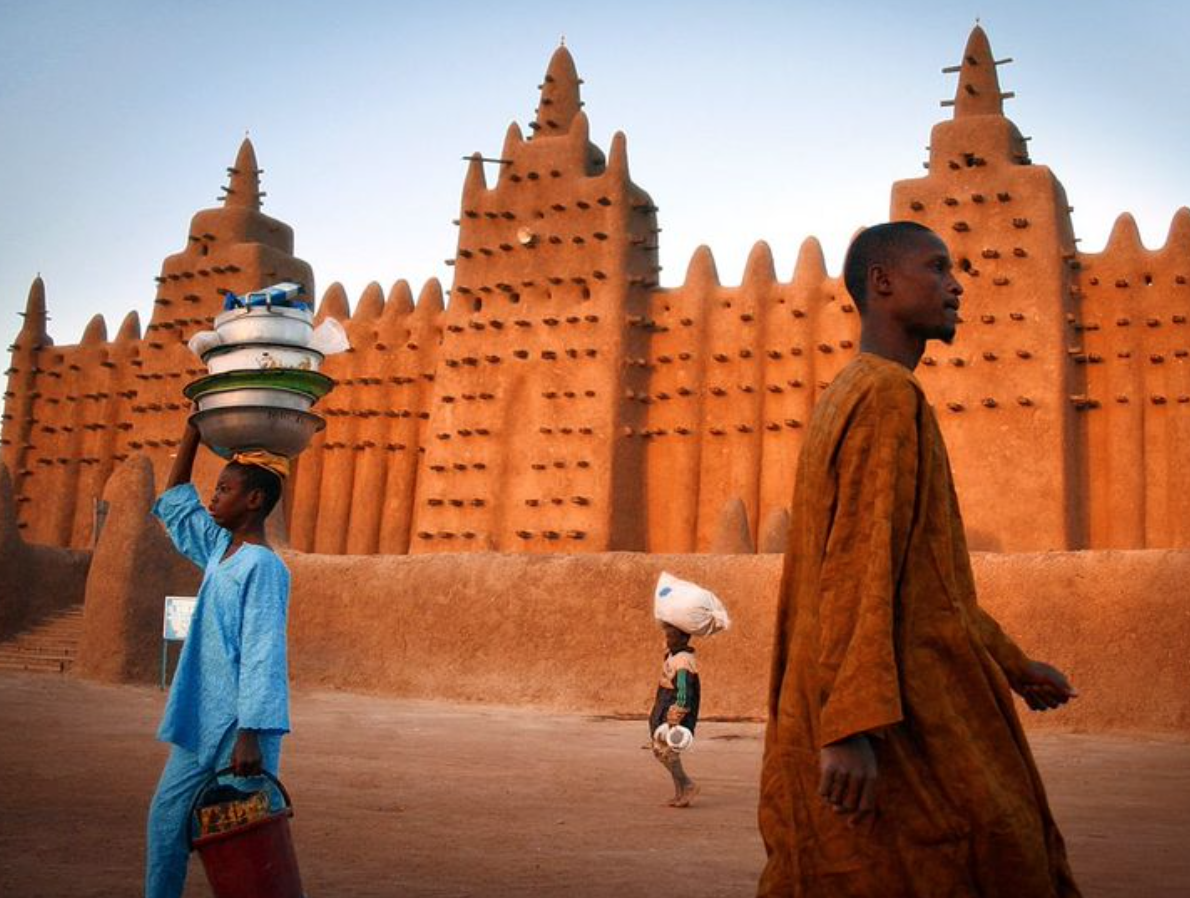
Marvel at the Great Mosque of Kano – Nigeria’s oldest mosque from the 15th century, with seven domes and twin minarets
-
Climb Dala Hill – Offering panoramic views of the city and a glimpse into Kano's spiritual roots
-
Experience Tiga Dam & Rock Castle – A serene getaway with fishing, boat rides, and a historic lodge built for royalty
-
Visit Kano Zoo & Cultural Sites – Family-friendly with unique fauna, plus Gidan Dan Hausa and Kofar Gadon Kaya gate sightseeing
Where to Eat & Drink
Must-Try Local Flavors
-
Suya – Flame-grilled, spicy beef or chicken skewers – street food staple.
-
Kilishi, Dan Wake, Kunu, Fura da Nono, Kuli Kuli – Traditional snacks and drinks beloved by locals
Recommended Restaurants
-
Zazu, Frenchies, Novo – praised for jollof rice, burgers, stir-fry, suya
-
Cilantro Restaurant, Corner Express, Gusto Restaurant – offer fusion and local dining in modern settings
Recommended Places to Stay
-
Tahir Guest Palace – Blends cultural architecture with comfort
-
Prince Hotel – Good value and central location
-
Other options: Sunbelt Hotel, Mozida Suites, Zaytun, Babale Suites — ranging from budget to midrange
Travel Tips for Kano
-
Safety – Major city areas are generally safe; avoid remote slums and traveling alone at night
-
Hire a local guide – They help navigate markets, negotiate prices, and explain cultural norms
-
Dress modestly – Kano is conservative and mostly Islamic; avoid flashy jewelry and clothing
-
Use taxis, not rental cars – Local drivers know routes, traffic, and cultural customs
-
Currency hints – Bring a Naira card and divide cash to minimize pickpocket risk
-
Best time to visit – Avoid rainy season; ideal weather is dry months, with occasional festivals like Durbar enhancing the experience