Travel guide
Juba, South Sudan
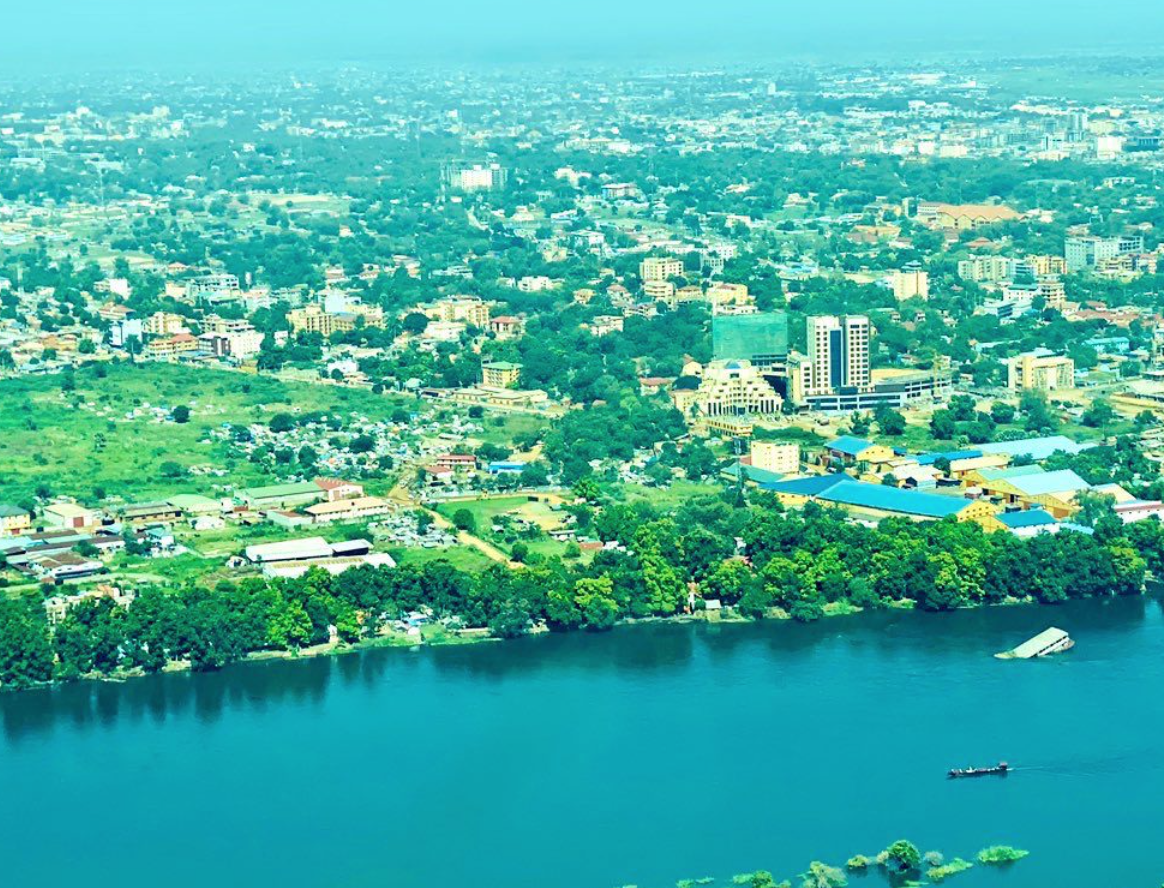
Juba, the capital of the world's youngest nation, South Sudan, lies on the banks of the White Nile. Officially becoming the capital in 2011, the city has grown rapidly—from roughly 250,000 residents in 2006 to nearly a million by 2011—though much of its infrastructure remains developing.
Founded on a former Bari village site and originally a British-Egyptian military post, Juba evolved into a commercial hub, shaped by oil wealth and returning diaspora. It is a melting pot of cultures, with English as the official language alongside native languages like Dinka, Nuer, and Bari.
Top Things to Do
• Nile Riverfront & Relaxation
Stroll along the White Nile, watch locals swim or wash clothes, and enjoy riverside cafés.
• Konyo Konyo Market (Massai Market)
A bustling street market best for fresh produce, tropical fruit, and local souvenirs.
• Jebel Kujur
A small mountain overlooking Juba offering panoramic city views—ideal for a guided morning hike.
• All Saints’ Cathedral / St. Theresa Cathedral
Iconic churches preserving colonial architecture and spiritual heritage.
• University of Juba
Visit the largest public university in South Sudan: historic, English medium, and foundational since 1975.
• Nyakuron Cultural Centre
Hosting events including the annual Juba Film Festival, cultural exhibitions, dance shows, and local festivals.
• Pojulu Cultural Festival
Held each May, this event celebrates the Pojulu heritage through music, dance, storytelling, and inter-community unity.
Eat & Drink – Local Spots
-
Afex & Pyramid Club: The city's few nightlife venues serving cold drinks and local beers in a casual setting. Pyramid is lively with dancing locals and expats.
-
Street Food & Local Delights: Enjoy dishes such as ful medames, sorghum flatbread, roasted corn, tea with ginger, and spiced peanuts. Markets like Konyo Konyo are the best places to sample these.
Where to Stay & Recommended Hotels
Mid‑to-High Comfort Options
-
Pyramid Continental Hotel (~$220/night): Highly rated for its Nile-side location, delicious breakfasts, and modern amenities.
-
Radisson Blu Juba (~$240/night): Offers quality service, pool access, and is frequently used by diplomats and NGOs.
-
Palm Africa Hotel (~$270/night): Praised for its location, friendliness, and airport transfer services
Budget & Guesthouse Options
-
Quality Hotel Juba (~$115/night): Centrally located with basic comfort and a small pool.
-
More affordable stays include Crown Hotel (~$120), Eastern Plaza (~$100), or simple guesthouses (~$30–70) found in the city centre.
Travel Tips
-
Best Time to Visit: Cooler months are November–February. Avoid the rainy season in April–June when roads can become difficult.
-
Getting There: Juba International Airport (JUB) connects to regional hubs like Nairobi and Addis Ababa; it serves NGOs and relief agencies.
-
Transport & Safety: Within Juba, secure taxis or hotel-arranged drivers are recommended. Use local guidance and avoid walking late at night in less developed districts.
-
Cultural Awareness: Respect local customs—dress conservatively, especially in religious or public spaces. English is spoken, but local languages are commonly used.
-
Community & Context: Juba remains a city marked by post-conflict recovery. Political tensions may impact stability. Awareness of current developments and guidance from trusted sources (e.g. embassy, NGO contacts) is essential