
Travel guide
Havana, Cuba
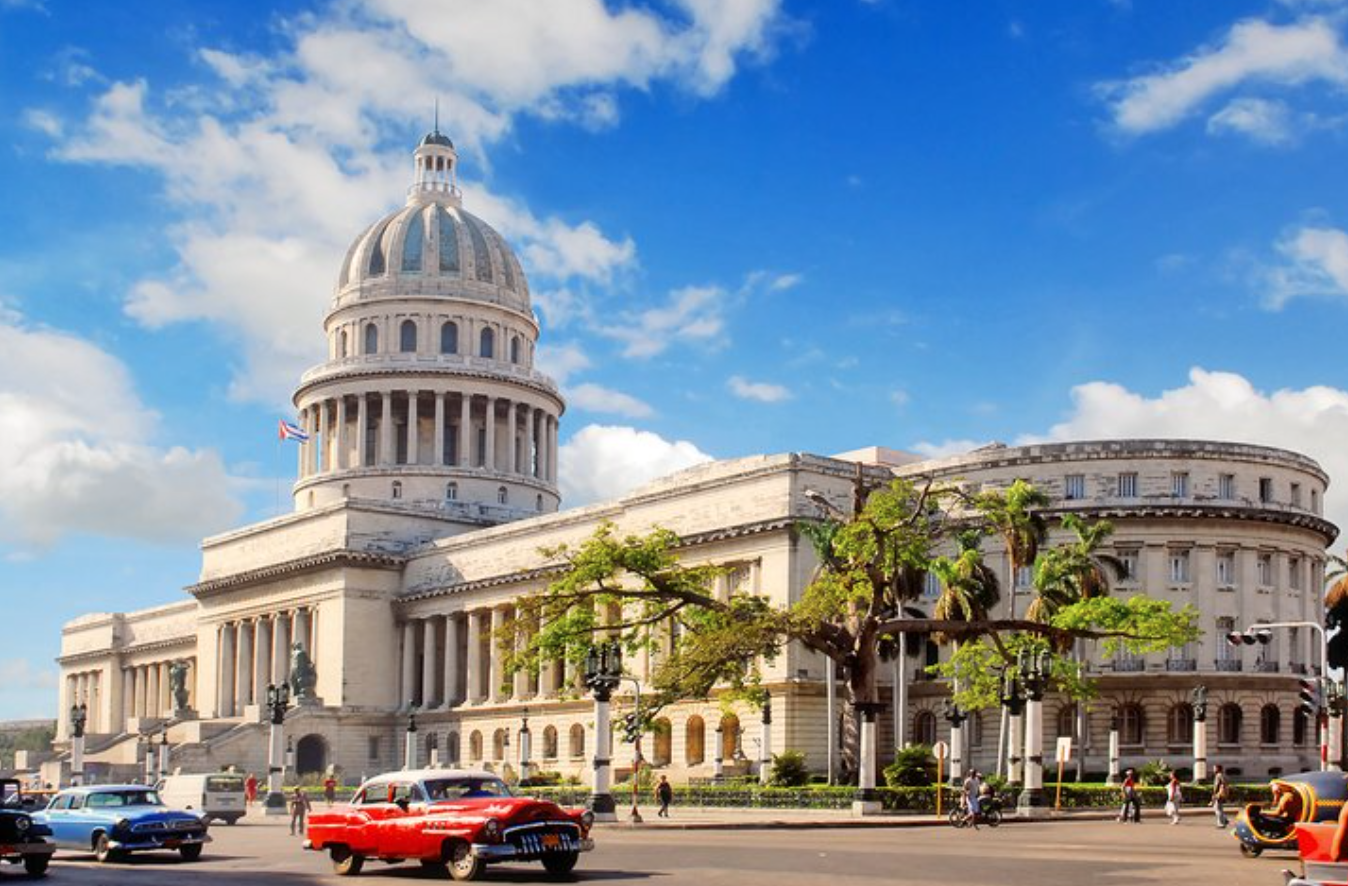
Havana, Cuba’s charismatic capital, is a vibrant blend of colonial architecture, revolutionary history, and Caribbean flair. From the UNESCO-listed Old Havana to the iconic Malecón boulevard, the city pulsates with music, colorful cars, and creative energy.
Top Things to Do
Old Havana (Habana Vieja)
Explore plazas like Plaza Vieja, Plaza de Armas, and the architecture of Cathedral de San Cristóbal. The streets teem with street performers, cafés and lively local life.
El Malecón & Paseo del Prado
Enjoy twilight strolls along the seven‑kilometer waterfront boulevard, passing Art Deco facades, fishing locals, and iconic views from Hotel Nacional de Cuba.
Museo de la Revolución
Housed in the former Presidential Palace, the museum chronicles the Cuban Revolution, with exhibits including the yacht Granma, military hardware, and life-size figures of Che and Cienfuegos.
El Capitolio
This grand neoclassical building with a striking domed roof resembles the U.S. Capitol. Guided tours showcase its marble interiors and symbolic diamond at the center.
Plaza de la Revolución & José Martí Memorial
A vast civic square surrounded by government ministries, huge Che Guevara murals, and a towering monument offering panoramic views from the observation deck.
Castillo del Morro & Fortaleza de San Carlos de la Cabaña
Historic fortresses guarding Havana Bay: climb El Morro for views at dusk, and attend the nightly cannon ceremony at La Cabaña.
Museo Nacional de Bellas Artes
Split across two buildings, showcasing classical European and Cuban art spanning several centuries.
Fusterlandia & Callejón de Hamel
Art-filled neighborhoods created by José Fuster—bright mosaics, sculptures, murals, and colorful houses in a creative community setting.
Eat & Drink
-
Classic eateries: Savor mojitos at La Bodeguita del Medio or daiquiris at El Floridita—historic bars once frequented by Hemingway.
-
Local dishes: Taste ropa vieja, fried rice & plantains, grilled fish and croquetas at small paladares and market stalls.
-
Modern dining: Zona colonial and Vedado have emerged with upscale restaurants offering Caribbean‑fusion menus and artisanal cocktails near Plaza Vieja and Prado.
Where to Stay & Best Areas
-
Old Havana / Centro Habana: Colonial guesthouses and restored boutique hotels near major squares and museums.
-
Vedado & Miramar: Modern hotels along wide avenues, close to the Malecón, arts venues, and embassies—ideal for luxury stays and beach access nearby.
-
Sample hotels: Hotel Nacional de Cuba, Iberostar Parque Central, or smaller casa particulares inside the walled city.
Travel Tips
-
Best time to visit: November–April provides dry, comfortable weather; summer is hot with occasional afternoon showers.
-
Currency: Cuba uses the CUP (Cuban Peso) and occasionally CUC in tourism areas—bring cash; cards are limited.
-
Transport: Walk in Old Havana; taxis are plentiful but negotiate fares upfront. Vintage cars offer scenic city rides.
-
Safety & etiquette: Havana is generally safe—stay alert, avoid secluded spots after dark. Photography of military sites is discouraged.
-
Smoking culture: Cuban cigars are ubiquitous; Cuban music and dance performances often pop up in plazas at night.