
Travel guide
Funafuti, Tuvalu
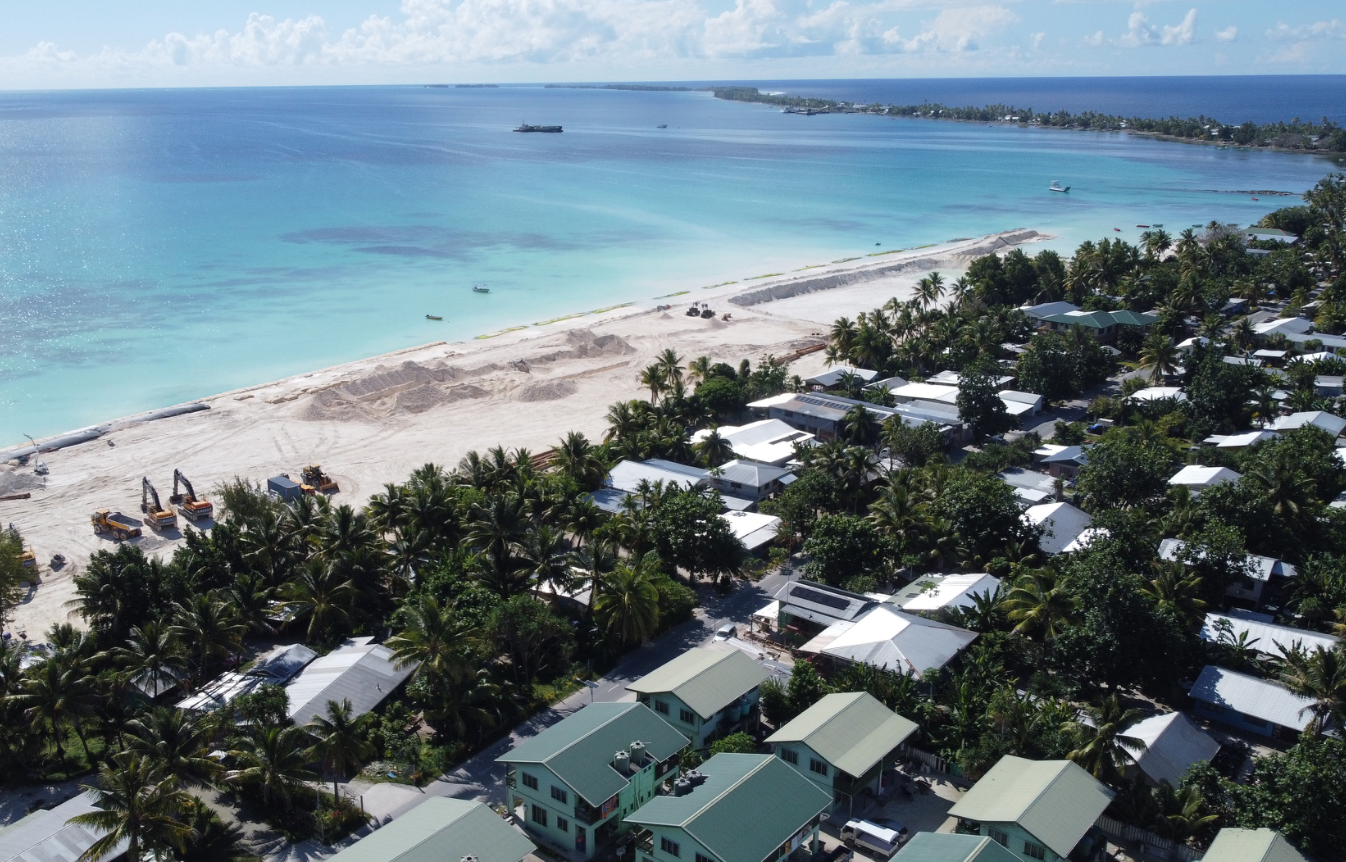
Funafuti Atoll serves as Tuvalu’s national capital and houses around 60% of the country’s population—about 6,600 people living mainly on Fongafale and Vaiaku islets. Known for its towering crystal-clear lagoon, WWII history, and urgent climate challenges, Funafuti offers an intimate insight into island life and Tuvaluan culture.
Top Things to Do & See
1. Funafuti Marine Conservation Area
Explore nearly 33 km² of protected reefs, islets, and lagoons—home to vibrant coral gardens, tropical fish, and nesting sea turtles. Perfect for snorkeling and diving from nearby islets like Tepuka Vili Vili and Fualopa
2. Te Namo Lagoon & Te Namo Beach
A breathtaking expanse of turquoise waters dividing the ocean and the main islet—ideal for swimming, kayaking, or sun-soaking on white sand beaches.
3. WWII Relics & Historic Sites
Walk among abandoned WWII airstrips, rusted aircraft, and bunkers left by American forces in the 1940s—scattered across Fongafale and surrounding motu
4. Teone Church in Vaiaku
The island’s largest church and social hub—spectacular in structure and warm in community spirit. Attend a service or cultural event for a truly local experience
5. Tuvalu Philatelic Bureau & Cultural Stops
Discover one of the world’s smallest yet most prolific postage stamp archives. Combine with visits to the National Library, and learn how local stamps reflect Tuvaluan identity
6. Women’s Handicraft Centre & Workshops
Engage with traditional crafts—woven mats, shell necklaces, and printed linens created by local artisans. Home workshops and cooperative centers welcome you to learn and purchase direct .
7. Local Sports & Community Life
Catch a match at the Tuvalu Sports Ground (capacity ~1,500), or watch locals play kilikiti (Tuvaluan cricket) and te ano (traditional ball game) on the runway or beach at sunset .
Food & Drink
-
Cuisine: Simple and flavorful meals built around fresh seafood, coconut, taro, and root vegetables. Try palusami(tuna wrapped in taro leaf), coconut-tuna salad, or umu (earth oven) feasts where available
-
Dining Scene: Most food is served in hotel restaurants, local low-key eateries, or food stalls near the lagoon—expect casual settings and community vibes
Travel Tips & Practical Info
-
Getting There: Only one daily flight into/out of Funafuti via Fiji Airways (from Nadi and Suva). Plan your flights carefully and allow buffer days due to limited service schedules and the International Date Line
-
Accommodation: Very limited — primary option is the government-run Funafuti Lagoon Hotel (formerly Vaiaku Lagi Hotel) with ~16 rooms, bar, and occasional island buffet nights
-
Currency & Cash: The official currency is the Australian dollar (AUD); bring cash—ATMs may be unreliable and cards are rarely accepted
-
Connectivity & Walkability: The entire populated islet spans under 1 sq mi, so walking is the best way to explore. There are no taxis, and locals are famously friendly and willing to help or offer rides
-
Environment & Respect: Tuvalu is highly vulnerable to rising sea levels. Travelers are asked to embrace sustainable practices—conserve energy, avoid waste, and respect local culture and customs
Where to Stay
-
Funafuti Lagoon Hotel: The island’s only major hotel with basic facilities, beach access, and occasional cultural events like Tuvaluan dance nights. Centrally located in Vaiaku, ideal for visiting major sites and lagoon views