Travel guide
French Guiana
French Guiana (Guyane française) is an overseas department of France on South America’s northeast Atlantic coast, bordered by Brazil and Suriname. With about 86 % of its 84,000 km² covered by Amazonian rainforest, it's one of the most biodiverse places on the planet—yet fewer than 10 inhabitants per square kilometer live there. The capital is Cayenne, and the region uses the euro with French as the official language
Top Things to Do
• Guiana Amazonian Park
Spanning ~20,300 km² of protected forest, it's France’s largest national park and accessible only via plane or river boats. Experience pristine jungle, rivers, and Indigenous cultural areas
• Kaw-Roura Marshland Nature Reserve
Nicknamed the “Everglades of Guiana,” this wetland spans ~94,700 ha and hosts jaguars, giant otters, black caimans and over 500 bird species
• Îles du Salut (Salvation Islands)
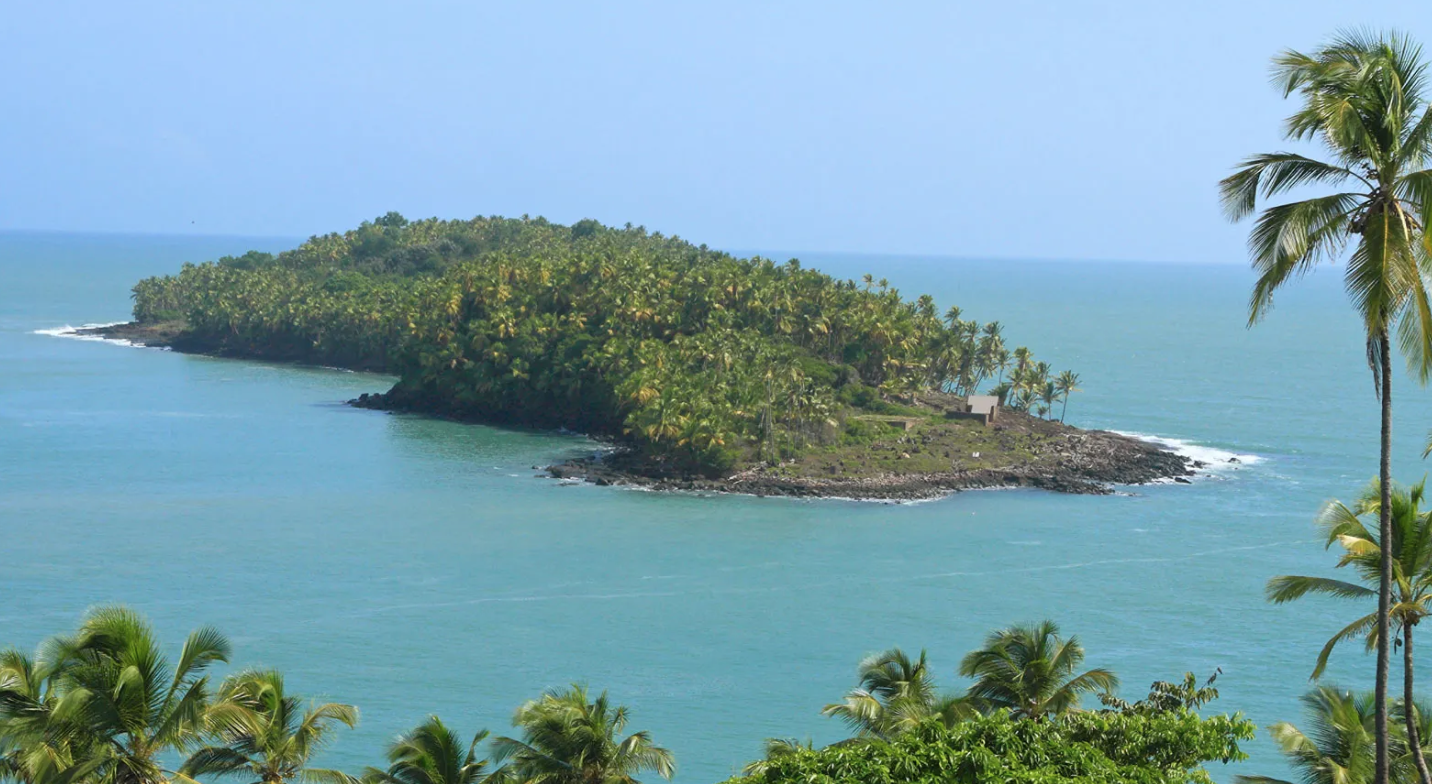
Offshore near Kourou, these historic islands include Devil's Island—former French penal colony ruins surrounded by serene beaches and wildlife
• Guiana Space Centre (Kourou)
Europe’s main spaceport: tours include rocket launch viewing, facility insights, and the new Guyaspace Expériencemuseum opened in 2024 showing aerospace history and local impact .
• Cayenne & Markets
Vibrant, multicultural capital with colonial architecture, street art, and bustling markets. Victor Schoelcher Market offers local crafts, tropical produce, and Creole eateries
• Turtle Nesting Beaches
Remire-Montjoly and Montjoly beaches are key nesting spots for leatherback, green, and olive ridley turtles, best seen from March to July with guided eco-tour options
• Amerindian & Maroni River Tours
Visit communities along the Maroni or Oyapock rivers. Learn traditions, handicrafts, and culture of Indigenous groups like Wayana, often accessible via boat tours and requiring permits .
• Birdwatching & Jungle Adventure
Explore Mouragues Reserve and Mont Grand Matoury near Cayenne for birdwatching, hiking, and microlight flights over the rainforest canopy
• Carnival & Festivals
Experience the Carnival of Cayenne, the world’s longest Carnival from January to March, including Touloulou masked balls, King Vaval festivities, and street parades
Eat & Drink — Local Flavors
-
Bouillon d’Awara: a festive stew with ~15 ingredients simmered 24–36h, featuring awara fruit, meats, seafood & veggies. Symbol of Guianese identity .
-
Colombo: Creole curry-style pork or chicken stew with Indian spices—turmeric, cumin, coriander
-
Other dishes: pimentade, boudin créole, accras de morue, cassava bread, and local ti‑punch
-
Visit markets in Cayenne, Kourou, and Maroni towns for street food, tropical juices, spices, and cooking demos with locals
Travel Tips
-
Best Time: August–December offers lower rainfall and easier access inland; rainy seasons are Dec–Jan and Apr–Jul
-
Transportation: Rent a car in Cayenne or Kourou. Inland travel often requires riverboat access; roads become scarce
-
Health & Safety: Use insect repellent and anti-malarial meds; wear boots in jungles. Healthcare is good in cities but remote regions have limited access—travel insurance highly recommended
-
Cultural Etiquette: Respect French Guianese identity—don’t imply they aren’t French. Carnival costumes, masked balls and taboos around colonial history should be approached with sensitivity
Where to Stay
-
Cayenne: Ideal hub for markets, cafes, museums, and base for river excursions.
-
Kourou: Close to Space Centre hotels, beach access and ferry departure to Îles du Salut.
-
Eco‑lodges & jungle camps: Around Maripasoula, Saül, or Camopi, perfect for immersive rainforest experience and wildlife spotting.
-
Maroni region villages: Choose river‑side lodges or community-run stays for cultural immersion.