
Travel guide
Conakry, Guinea
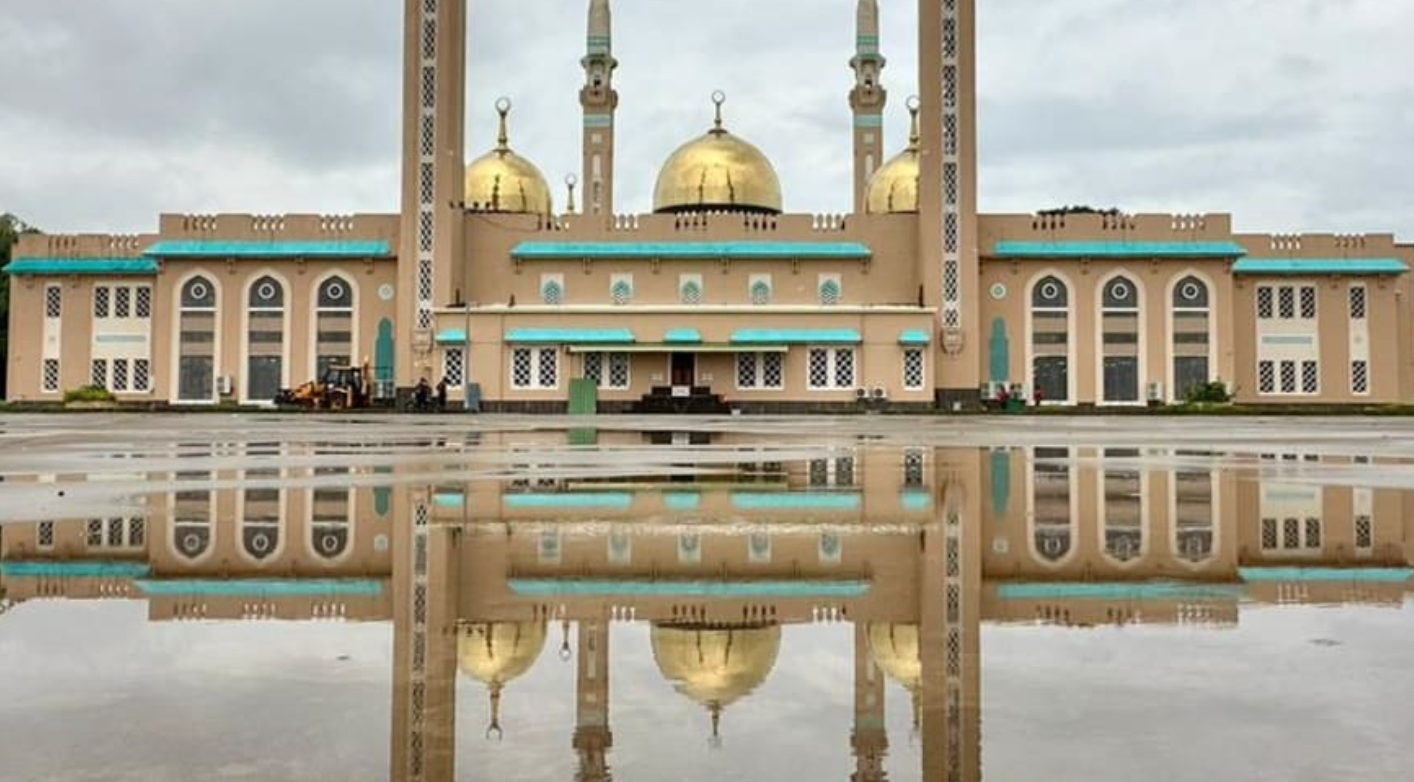
Conakry is the capital and largest city of Guinea, positioned on the Kaloum Peninsula along the Atlantic Ocean. With an estimated population approaching two million, it’s the country’s economic, political, and cultural heart Originally originating on Tombo Island, it expanded onto the mainland peninsula under French colonial rule in the late 19th century
Top Things to Do
-
Marché Madina: One of West Africa’s largest and most chaotic markets, selling spices, clothing, crafts, and street food. A truly vibrant local experience—just guard your belongings carefully
-
Conakry Botanical Garden: Located in the Camayenne neighborhood with imposing kapok trees—ideal for a shady stroll next to the city’s Grand Mosque
-
Grande Mosquée de Conakry (Grand Mosque): Completed in 1982, accommodating up to 12,500 worshippers. An iconic landmark with gardens housing mausoleums of Guinea’s historical figures
-
Sandervalia National Museum: Displays traditional and colonial-era artifacts; also hosts local art exhibitions and a courtyard café with interesting colonial sculpture
-
St. Mary’s Cathedral: A striking architectural piece from the 1930s with Gothic and Orthodox design elements, set behind the Presidential Palace
-
Beach & Coastline – Plage de Kaloum: A peaceful city beach perfect at sunset, where vendors serve grilled seafood right by the waves
-
Cultural Shows & Acrobatics: Experience local arts through live acrobatic troupes or events at the Centre d’Art Acrobatique in Kaloum
Eat & Drink
-
Seafood in Tombo: Fresh fish and shellfish specialties near the port area, immensely popular with locals
-
City-based Restaurants:
-
Istanbul Restaurant & Pâtissier (Kaloum) offers a mix of local and international dishes—all-English-speaking owner.
-
7Days Indian (Kaloum) and 7-Eleven Lebanese (Kipe) are reliable options for flavorful meals
-
-
Street Eats & Local Delicacies: Savor grilled fish, fufu, bissap juice, and snacks from vendors—just choose busy, popular stalls for cleaner food
Where to Stay & Recommendations
Conakry’s hospitality options include mid-range hotels and guesthouses, mainly in the districts Kaloum, Dixinn, and Kipe. Connectivity can be unreliable, so seek accommodations with backup power and security.
Recommended neighborhoods:
-
Kaloum: Close to central sites and eateries.
-
Dixinn: Quiet, upscale area with embassies and university ambience.
-
Kipe: Lively nightlife and trendy café culture.
Travel Tips & Safety
Safety & Security
-
Guinea is rated Level 2 (Exercise increased caution) by the U.S. State Department; Conakry sees frequent petty theft, armed robberies, and protests that may turn violent
-
Avoid walking alone at night. Use only pre-arranged or hotel-referred taxis. Keep doors locked and valuables out of sight. If threatened, do not resist to avoid escalation
-
Never engage with unofficial money changers—even at the airport—as doing so can lead to detention
🩺 Health & Local Culture
-
Stick to bottled water and avoid uncooked street foods unless hygiene is apparent. Mosquito repellent and light clothing are essential in the humid tropical climate, especially from May through October.
-
Dress modestly—especially around religious sites like the Grand Mosque—and respect local customs and etiquette
Getting Around
-
Use taxis arranged in advance—moto-taxis and shared minibuses are common but riskier. Negotiate fares beforehand and carry a few mobile cash denominations
-
Exchange money at official banks; avoid street changers due to legal risks and scams
Best Time to Visit
-
Plan your trip during the dry season (November–April), when rainfall is minimal and days are drier. Avoid rainy monsoon season (May–October), when flooding and humidity surge
Cultural & Nature Extensions
-
Visit nearby Îles de Los for serene beaches and snorkeling.
-
Monte Kakoulima offers panoramic views over Conakry.
-
If possible, attend local festivals: Fête de l’Indépendance, jazz events, art fairs or agricultural expos for real cultural immersion