
Travel guide
Bissau, Guinea‑Bissau
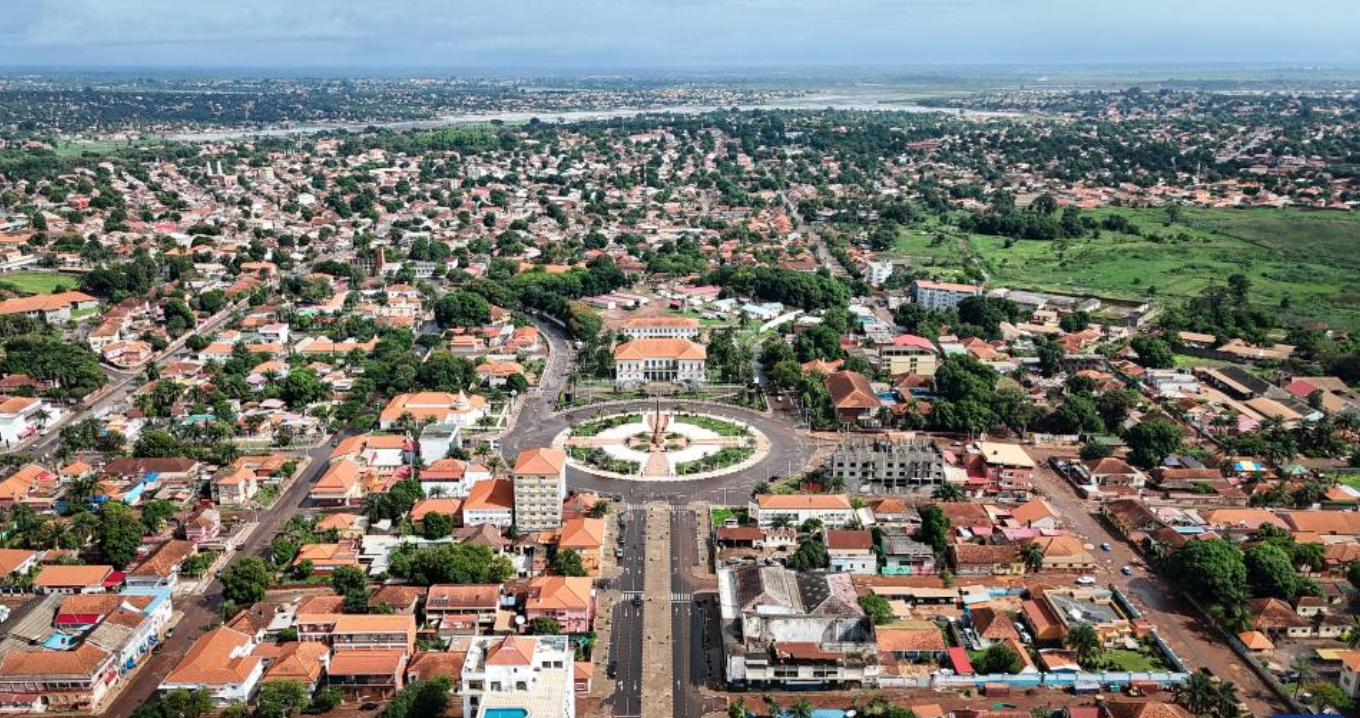
Bissau is the capital and largest city of Guinea‑Bissau, located on the Geba River estuary near the Atlantic Ocean. Founded in 1687 by Portuguese traders on land formerly inhabited by the Papel people, it became the national capital in 1941 and retains its status today. The city is an evolving blend of colonial architecture, cultural landmarks, and riverside life, with about 500,000 residents (2015 census)
Top Things to Do
-
Bissau Velho (Old City): Wander through the colonial-era district filled with historic houses and crumbling charm. See the refurbished Presidential Palace and National Heroes Square
-
Fortaleza de São José da Amura: An 18th-century fortress housing Amílcar Cabral’s mausoleum—a key site of independence history
-
National Ethnographic Museum: Displays artifacts and exhibits that showcase Guinea‑Bissau’s diverse ethnic cultures
-
Bissau Cathedral: Sé Catedral de Nossa Senhora da Candelária is both Neo-Romantic landmark and lighthouse guiding ships through the estuary
-
Pidjiguiti Monument & Porta de Timba Sculpture: Memorials commemorating dockworkers’ strike and the struggle against colonial rule
-
Port of Bissau & Geba Riverfront: Engage in local life around the working port where fish vendors, fishermen, and riverside activity come together—best enjoyed at sunset
-
Bijagós Islands & Orango National Park: Accessible from Bissau, these UNESCO-listed islands host saltwater hippos, nesting sea turtles, mangroves, and traditional Bijagó culture
Eat & Drink
-
O Bistro: One of the top-rated places offering Mediterranean and European dishes in a relaxed environment
-
Street stalls and central markets (e.g., Mercado Central or Fera Bandim) offer local dishes including bissap juice, grilled items, tropical fruits, and spices
Where to Stay (Recommended)
While Bissau has limited international-standard hotels, dependable options include:
-
Dunia Hotel Bissau: Well-situated hotel near the old city with good amenities and service
-
Local guesthouses and lodges offer safe stays close to central districts—choose those with strong review records.
For a cultural and nature-focused stay, consider arranging a stay on Bubaque or Orango Islands, such as Orango Parque Hotel, which supports sustainable ecotourism and immersive local experiences
Travel Tips & Safety
-
Safety: Be vigilant in crowded areas and avoid walking at night alone. Use official taxis and licensed guides
-
Health & Climate: Drink bottled water, use mosquito repellent, and pack light tropical clothing. Bissau has a dry season (Nov–Apr) and a rainy monsoon season (May–Nov); Harmattan winds (Dec–May) can bring dust
-
Money: Cash is king—carry sufficient local currency or USD. ATMs may be unreliable. Bargaining is common in markets
-
Local customs: Dress modestly and ask permission before photographing locals. Respect religious sites and cultural traditions