
Travel guide
Belgrade, Serbia
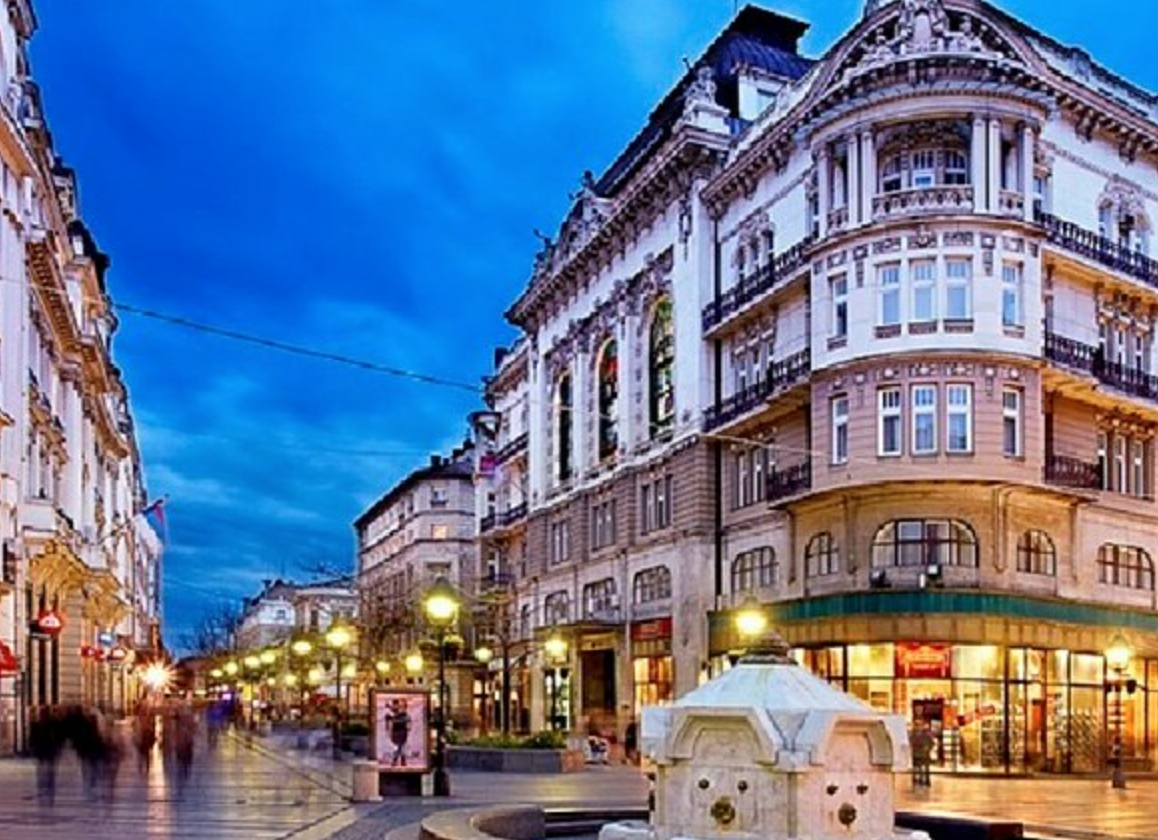
Belgrade, Serbia’s historic capital at the confluence of the Sava and Danube rivers, pulses with energy. After centuries of Roman, Ottoman, Habsburg, and Yugoslav influences, it’s reinventing itself—blending liberating nightlife, resilient architecture, and accessible charm.
Top Things to Do
Kalemegdan & Belgrade Fortress
Spanning steep slopes by the river junction, Kalemegdan park showcases centuries of history—from Roman ruins to Ottoman gates—with tunnels, museums, and sweeping views.
Temple of Saint Sava
One of the world’s largest Orthodox churches, the gleaming white cathedral dominates Belgrade’s skyline. The crypt holds frescoes and exhibitions, worth a visit for the artistry and cultural significance. Entrance is free (small fee for crypt).
Skadarlija – Bohemian Quarter
Belgrade’s vintage “Montmartre” features cobbled streets, traditional kafanas serving local food and live Serbian music, and artistic ambiance alive into the night. Popular spots like Tri Šešira serve national dishes with atmosphere.
Knez Mihailova & Republic Square
Belgrade’s main pedestrian boulevard connects Republic Square with Kalemegdan. Lined with stately 19th-century architecture, shops, cafés, and street performers as well as links to institutions like the National Museum and National Theatre.
Zemun & Gardoš Tower
Historic Austro-Hungarian district along the Danube, offering cobblestone promenades, the Gardoš (Millennium) Tower viewing platform (~€2 fee), and waterfront dining (e.g., Restaurant Venecija).
Nikola Tesla Museum
Located in a charming villa, the museum houses Tesla’s original letters, memorabilia, and interactive exhibits such as a working Tesla coil—ideal for science enthusiasts.
Eat & Drink – Local Flavours
-
Pelivan Ice Cream & Pastries – Since 1851, Belgrade’s oldest dessert shop, famed for its royal‑court‑style ice cream and sweets.
-
Traditional Kafanas – Historic taverns like Znak Pitanja or Kafana SFRJ feature regional grill (roštilj), karadjordjeva šnicla, and live music through the night. A cultural experience echoed in The Guardian coverage.
-
Modern Bars & Splavs – Belgrade’s nightlife flourishes in ‘splav’ river clubs on the Danube and Sava as well as in intimate wine and cocktail spots (e.g. Proces wine bar, drugstore-style clubs like Kazna Za Pisanje). Expect night to begin late and peak around 2–3 AM.
Where to Stay
Stay in Stari Grad (Old Town) near Skadarlija or Knez Mihailova for pedestrian access to most attractions and cultural energy. For waterfront relaxation, consider Zemun with its riverside promenades and historic charm. Accommodations range from boutique entrée to mid-range guesthouses (€35–60 / night), with higher-end options under €100+.
Travel Tips & Logistics
Getting There & Around
Fly into Nikola Tesla Airport (BEG); use the A1 shuttle (€3.40) or taxi via CarGo. City transport includes buses, trams, and free metro-free zones—Ridesharing apps like CarGo or Yandex are recommended over random taxis.
Costs & Currency
Use Serbian Dinar (RSD); ATMs are plentiful, cards accepted in most city venues, though cash is handy for markets. Belgrade is budget-friendly: meals €5–15, beer around €2.50, public transport ~€0.75.
SIM & Internet
Buy a local SIM or eSIM at the airport (providers like A1). Reliable data service supports apps like Moovit for bus navigation within the city.
Best Time & Local Vibe
Visit late spring or early autumn for pleasant weather and fewer crowds. Belgrade is a lively city: expect music festivals, open cafés, and spontaneous street performances in the center.