Travel guide
Banjul, The Gambia
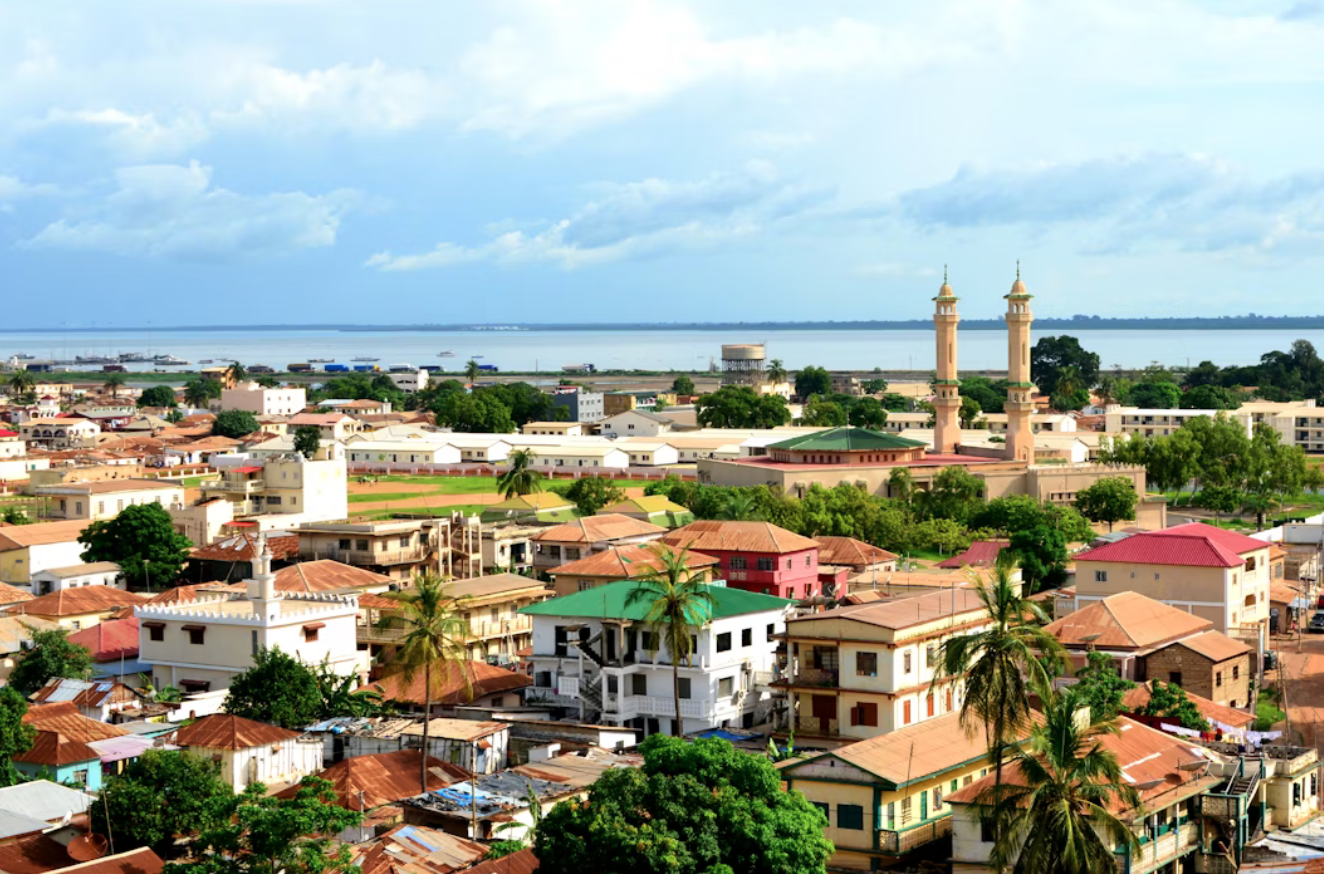
Banjul, the City of Banjul, is the capital of The Gambia situated on St. Mary’s Island at the mouth of the Gambia River, where it meets the Atlantic Ocean. Founded by the British in 1816 as Bathurst, it serves as the country’s political, economic, and administrative hub. Although the city proper has about 31,000 residents, the Greater Banjul metro area numbers over 400,000 The city features colonial architecture, busy harbor areas, colorful markets, and is known for its vibrant cultural life
Top Things to Do
-
Arch 22 – A striking neoclassical gateway built in 1996 to commemorate the 1994 coup. Climb to the viewing gallery on the second floor for sweeping views of Banjul, the river, and surrounding wetlands
-
Albert Market – The busiest market in Banjul, offering fresh produce, textiles, crafts, and spices. A true immersion in Gambian daily life and culture
-
Gambia National Museum – Housed in a three-storey building in the city centre, it showcases Gambian cultural and political history, traditional instruments, archaeology, and colonial heritage
-
Ferry Crossing to Barra & Fort Bullen – A scenic ferry ride with local atmosphere and views, reaching Barra, a fishing town with historical colonial forts
-
Bijilo Forest Park (“Monkey Park”) – Located ~11 km south in Kololi; home to free-roaming monkeys in a coastal forest – ideal for nature walks and wildlife spotting
-
Cultural Experiences & Cooking Tours – Participate in local cooking classes or a home‑cooked meal experience for authentic Gambian flavours ﹘ often paired with tour agencies around Banjul
-
Boat & Wildlife Day Trips – Nearby attractions include River Gambia National Park (hippos, chimpanzees), or trips into neighboring Senegal via organized safari tours
Eat & Drink
-
Street food & market eats at Albert Market: try akara (bean fritters), grilled fish, spicy peanut sauces, and local sweets.
-
Local Gambian meals: enjoy domoda (peanut stew), fish yassa, benachin (one-pot rice dish), and fresh seafood along the waterfront or in small eateries.
-
Home cooking experiences: join Gambian hosts for a traditional meal, often paired with cultural storytelling and local ingredients
Where to Stay & Accommodation Picks
While accommodation options in Banjul proper are limited and modest, it's a convenient base for exploring the region:
-
Banjul City Centre: Guesthouses and small hotels around Liberation Avenue and the harbour offer budget-friendly stays for short stops.
-
Kololi / Senegambia Strip (11 km south of Banjul): More resort-style hotels, beach access, and tourist amenities. Perfect for combining city and beach time.
-
Recommended:
-
Local guesthouses or eco-lodges near Banjul for cultural immersions.
-
Seaside hotels in Kololi or Kotu if you’re looking for beachfront comfort and nightlife.
-
Travel Tips
-
Best time to visit: Dry season from November to mid-May offers pleasant weather and minimal rainfall
-
Currency: Gambian Dalasi (GMD). ATMs available in Banjul; carry small Dalasi for markets and ferry vendors.
-
Transport: Walking in the island centre is manageable; taxis and shared minibuses (“dala‐dala”) operate for short distances. Ferries connect to Barra and the mainland.
-
Safety & customs: Generally safe and welcoming. Modest dress is recommended, especially in local areas. English is the official language; Islamic traditions shape local culture.
-
Health: Bring insect repellent and consider malaria precautions. Stick to bottled water where advised.