
Travel guide
Asunción
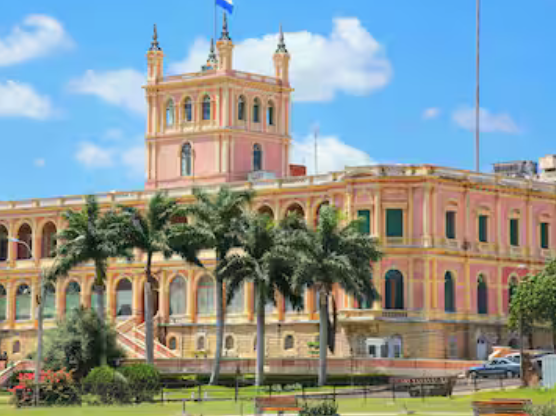
Asunción, “the Mother of Cities,” is one of South America’s oldest capitals, founded in the 16th century. It blends colonial architecture, modern skylines, and riverside charm along the Paraguay River. While the city evolves, it retains a distinctly Paraguayan identity expressed in its language (Guaraní), local crafts, and traditions
Top Things to Do
-
Palacio de los López (Government Palace): Iconic neoclassical building illuminated at night, excellent vantage spot from nearby cafes like Bar Casa Clari
-
National Pantheon of the Heroes (Panteón Nacional): Pays tribute to Paraguay’s historical figures such as López and Estigarribia; free entry
-
Casa de la Independencia Museum: Birthplace of Paraguay’s independence in 1811, now a colonial-era museum with period furniture and artifacts
-
Recoleta Cemetery (Cementerio de la Recoleta): Historic cemetery with ornate tombs of national heroes, open to the public
-
National Museum of Fine Arts: Contains over 650 works spanning Paraguayan and international art, plus national archives
-
Manzana de la Rivera: A restored block of historic buildings now housing museum, cultural spaces, café and theater, opposite the government palace
-
Costanera de Asunción: The revitalized riverside promenade perfect for walking, biking, enjoying sunset views, local snacks, and occasional boat rides along the Paraguay River
-
Mercado Cuatro (Mercado 4): Asunción’s largest and most vibrant open-air market—great for tereré, fresh produce, snacks like chipa, and local artisan crafts
Events & Culture
-
Join Asunciónico Music Festival, Nanduti Festival (lace art), International Film Festival, Fashion Week, and the Asunción Book Fair for a lively cultural calendar
Eat & Drink
-
Sopa Paraguaya: A corn‑and‑cheese cornbread, hearty and savory—local favorite.
-
Empanadas and mbejú (cassava flatbread with cheese): Street snacks found at markets and local eateries
-
Tereré: The national chilled mate herbal drink, widely sold at Mercado 4 and Costanera stalls
-
Emerging restaurants in 2024: Try new Paraguayan fusion spots like Tava and Oga, offering sopa paraguaya, mbeyu with kimchi, sashimi de bagre, sweet-potato purée, yerba mate ice cream, and innovative seasonal dishes
-
Craft beer scene: Sample lagers from Herken, IPAs or stouts at Simon Dice and The Hop, located in courtyard venues like Koggi
Where to Stay & Neighborhoods
Recommended Areas
-
Villa Morra: Upscale, safe, central neighborhood full of restaurants, malls (Shopping del Sol, Mariscal), nightlife at Paseo Carmelitas, cafés, coworking spaces, and modern hotels/apartments
-
Carmelitas: Adjacent to Villa Morra, lively with nightlife and fine dining, equally modern and secure
-
Las Lomas / Recoleta / San Blas: Elegant, green residential zones offering tranquility and walkability, good for families and professionals
-
Barrio Jara & Barrio Obrero: Authentic neighborhoods with cultural and student life; Barrio Jara showcases art and colonial charm, Obrero offers affordability and local flavor with markets and social clubs
Areas to Avoid
-
Downtown Asunción: Best visited during the daytime—crowded and less polished, can feel unsafe at nigh
-
Avoid districts like La Chacarita, San Lorenzo, Luque, Fernando de la Mora, Bananádos for security and infrastructure issues
Travel Tips
-
Transport: Use ride-sharing apps like Uber or Bolt (very affordable, ~$1 per trip), public buses, or taxis from trusted providers
-
Currency: Paraguayan Guaraní (PYG) is local currency; US dollars may be accepted in larger venues; small change is helpful for markets. Tipping ~10% is customary but not mandatory
-
Safety: General urban safety is good in recommended neighborhoods—stay alert in markets and downtown areas, especially after dark
-
Best time to visit: Spring and summer (October–March) bring warm weather and festive atmosphere. High humidity and rainfall possible – plan accordingly
-
Cultural Notes: Experience Paraguayan identity in the use of Guaraní alongside Spanish. Engage with yerba mate culture, local crafts, and community-led tours in La Chacarita sometime, later in the day or as part of organized visits