Travel guide
Ashgabat
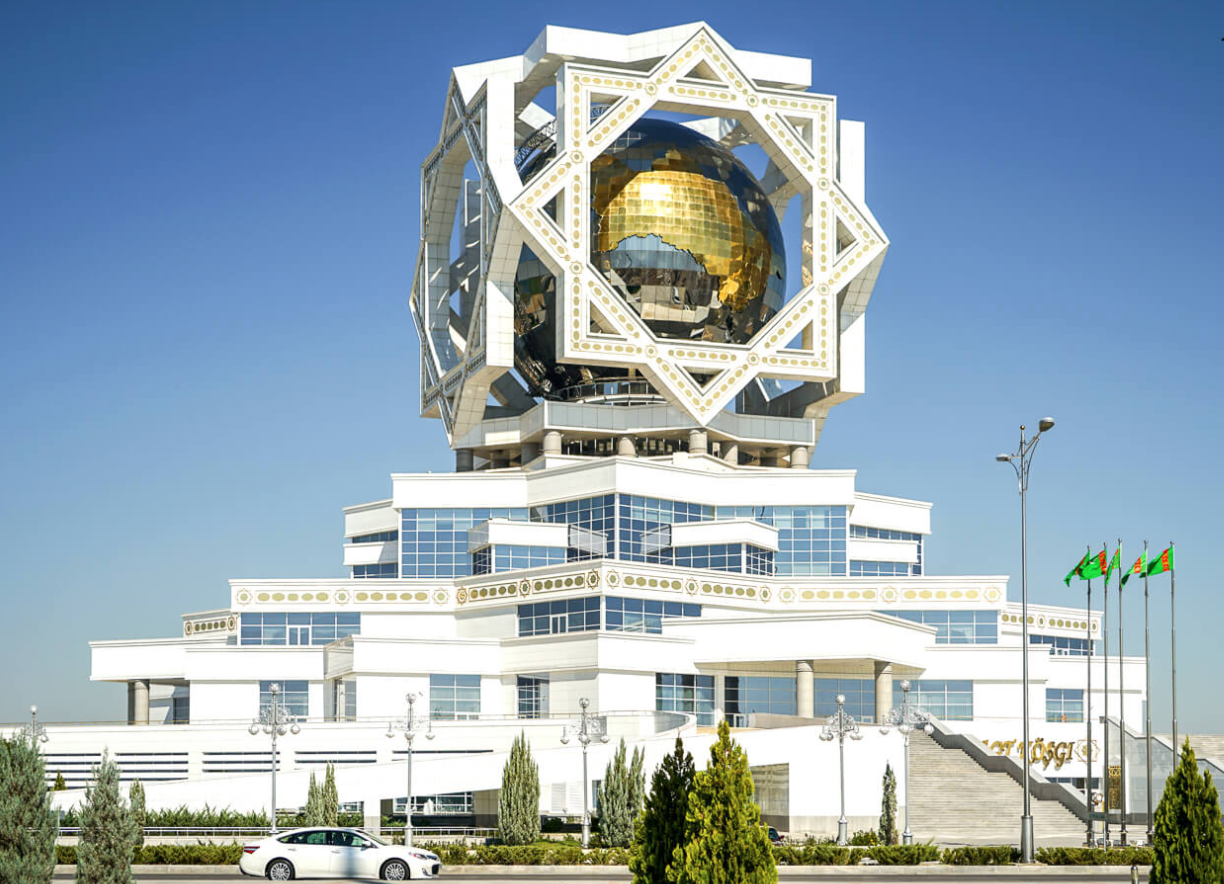
Ashgabat, the capital of Turkmenistan, is famous for its gleaming white marble architecture, monumental fountains, and record‑breaking structures—earning the nickname “Marble City.” Though imposing and visually striking, the city also feels eerily quiet with wide empty avenues, as visitors must travel with guides and visa access is tightly controlled
Top Things to Do & See
-
Independence Monument (Garaşsyzlyk binasy)
A towering 118 m structure inspired by Turkmen tents, crowned with a golden crescent and observation terrace. Inside are exhibition halls showcasing national history and art. -
Arch of Neutrality
This 95 m monument once stood in city centre before being relocated. A golden statue of the first president stands atop it, symbolizing Turkmenistan’s policy of neutrality. -
Turkmen Carpet Museum
Home to the world’s largest hand‑woven carpet (301 m², Guinness record) and over 1,000 traditional carpets. Learn about tribal patterns and weaving heritage. -
Alem Entertainment Centre & Indoor Ferris Wheel
Guinness-listed as the world’s largest indoor Ferris wheel (~57 m) inside a lavish entertainment complex. -
Turkmenistan Tower
At 211 m, the country’s tallest structure features observatories and a revolving restaurant around 140‑150 m above ground for sweeping city and mountain views. -
Walk of Health
A monumental 36 km concrete hiking path along the Kopet Dag foothills. Visit statues and pavilions along the route—an ambitious legacy of former President Niyazov. -
Grand Russian Bazaar (Gulistan or Altyn Asyr Bazaar)
One of Central Asia’s largest markets (154 ha, 2,155 shops), selling carpets, handicrafts, spices, fresh produce, and more—an essential cultural experience. -
National Museum & Main Drama Theatre
Dive into Turkmen history, art, and folklore via exhibitions and traditional performances at the main drama theatre while enjoying impressive Soviet‑style architecture.
Food & Drink Highlights
-
Must‑Try Dishes: Plov (rice with lamb, carrots, raisins), Shurpa (hearty meat‑and‑veg broth), Manti (steamed meat dumplings), Kebabs, and Gutap (meat‑filled pastries).
-
Local Beverages: Sample Chal (fermented camel’s milk), Silmek (yogurt drink), and strong Turkmen black tea, often paired with sweets or dried fruit.
-
Dining Scene: Eat classic Turkmen food at restaurants like Sazlyk and Altyn Cynar, sample street snacks like samsa and kebabs at bazaar stalls, and enjoy spices in local coffee blends (e.g. saffron or cardamom-infused espresso). Upscale venues serve Turkish, Persian, and European cuisine too.
Travel Tips & Practical Advice
-
Visa & Entry: Turkmenistan requires a tourist visa and mandatory guide—visitors cannot explore independently. Permits must be arranged via an official tour operator ahead of arrival.
-
Best Time to Visit: Spring (April–May) and fall (September–October) offer milder weather ideal for walking around fountains and monument grounds. Summers are extremely hot.
-
Getting Around: Ashgabat is sprawling and largely unwalkable. You’ll need taxis or private drivers locally arranged. Unofficial “gypsy cabs” are common; buses exist but routes are unclear.
-
Safety & Rules: Photography of government buildings, military sites, or locals without permission is prohibited. In the past, cars were required to be white—this rule remains culturally enforced despite repeal.
Where to Stay
-
Recommended Areas: Central Ashgabat near Independence Monument, museums, or city centre shopping malls like Berkarar.
-
Recommended Hotel: Yyldyz Hotel—a luxury option with reliable, unrestricted Wi‑Fi, spacious rooms, and views of both mountains and city. Alternatively, Grand Turkmen Hotel in city centre offers landmark access and comfort. A tourist fee (approx. USD 2/night) applies. Budget travelers should avoid outdated Soviet-era properties.